What Are the Prospects for Bupleurum Cultivation? Benefit and Market Analysis
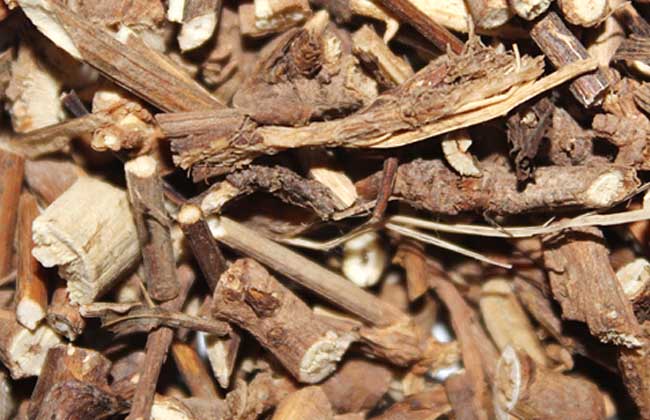
Bupleurum is a perennial herb of the Apiaceae family and a major traditional Chinese medicinal material in China. It is mostly supplied to the market as wild product, mainly produced in Liaoning, Jilin, Heilongjiang, Gansu, Hebei, Henan, Anhui, Shanxi, Shaanxi, Shandong, Jiangsu, Sichuan, Hubei, Inner Mongolia and other places. After entering the 21st century, due to years of large-scale harvesting of wild product, output has shown a declining trend year by year, while the output of cultivated product is very small, and the market gap has been widening year by year. Let's take a look below at the cultivation prospects and cultivation benefits of Bupleurum!
Cultivation Prospects of Bupleurum
The national output of wild Bupleurum has tended toward exhaustion, while the scale of artificial cultivation is very small and output is very low, so market supply is deteriorating steadily. After entering the 21st century, many large pharmaceutical groups (factories) in China have used Bupleurum to develop nearly a thousand new drugs, special drugs and Chinese patent medicines, and the Bupleurum they require has increased year by year. The total amount of Bupleurum exported from China to more than 120 countries and regions increases at a rate of 15% each year, and the markets of Hong Kong, China, Macao, China and Taiwan, China also seek goods from the mainland year after year, in considerable quantities.
The demand for Bupleurum from China's scattered medicinal material markets, medicinal material companies, pharmacies, decoction piece companies, traditional Chinese medicine hospitals, integrated traditional Chinese and Western medicine hospitals, clinics and others is also growing day by day. The Bupleurum market holds business opportunities, with huge potential and broad prospects, and both future output and price have considerable room to rise. Bupleurum has already attracted widespread attention from pharmaceutical factories, pharmaceutical enterprises, medicinal material merchants and medical units. Therefore, developing Bupleurum production is urgent. Planting Bupleurum is a good variety for adjusting the structure of rural agricultural planting and for farmers to escape poverty, become prosperous and reach a moderately prosperous level. All localities should be market-oriented and develop Bupleurum cultivation according to local conditions. "Things are precious when they are rare." Because the supply gap for Bupleurum has widened year after year and the contradiction between supply and demand has become increasingly acute, the price of Bupleurum has been pushed up year after year.
Cultivation Benefits of Bupleurum
When Bupleurum seedlings grow to the second year, 50 kg of seeds can be harvested per mu, increasing to 100 kg in the third year, with a market price of 60 yuan per kg, yielding an income of 9,000 yuan. In the third year, 100 kg of roots (dry goods) can be dug per mu, with a market price of 85 yuan per kg, yielding an income of 8,500 yuan. The total income per mu from the above two items, seeds and roots, is 17,500 yuan. Over 3 years, the various costs per mu are 300 yuan for land transfer, 150 yuan for Bupleurum seeds (2.5 kg per mu, 60 yuan per kg), 100 yuan for herbicide, and 1,950 yuan for labor and other costs, for a total cost of 2,500 yuan. The average net income per mu is 15,000 yuan, and the average annual net profit is 5,000 yuan. Compared with planting other crops, the annual income per mu increases by 4,500 yuan.
Cultivation Requirements of Bupleurum
1. Bupleurum prefers warm and humid climatic conditions, has strong adaptability, and is drought-tolerant but afraid of waterlogging. Therefore, when planting, sunny, gentle farmland should be chosen for cultivation. The soil should preferably be well-drained sandy loam and humus soil with a deep soil layer. The soil pH should preferably be 6 to 7. The previous crop should preferably be gramineous plants, and continuous cropping should be avoided.
2. Land preparation and fertilization for Bupleurum cultivation follow conventional medicinal material cultivation methods.
3. For Bupleurum cultivation, attention should be paid to seed selection and seed treatment. Plump, mature seeds (schizocarps) should be collected from plants more than 2 years old. Bupleurum seeds have a short lifespan and low germination rate. Old seeds more than 1 year old are not easy to germinate and must not be used. Seed treatment should be carried out before sowing. Seeds can be soaked in gibberellin at 100 mg/kg for 2 hours, then removed and dried for later use. The sowing method should suit local conditions, using direct seeding or seedling transplanting. Both spring sowing and autumn sowing are acceptable. The seeding rate is 2.5-3 kg per mu.
4. For Bupleurum cultivation, loosening the soil and weeding, thinning seedlings, final thinning, topdressing, watering, pinching out growing tips and removing buds, as well as pest and disease control, harvesting and processing, are all carried out according to conventional field management methods for medicinal materials.