Bupleurum Pest and Disease Control Methods and Key Technical Points
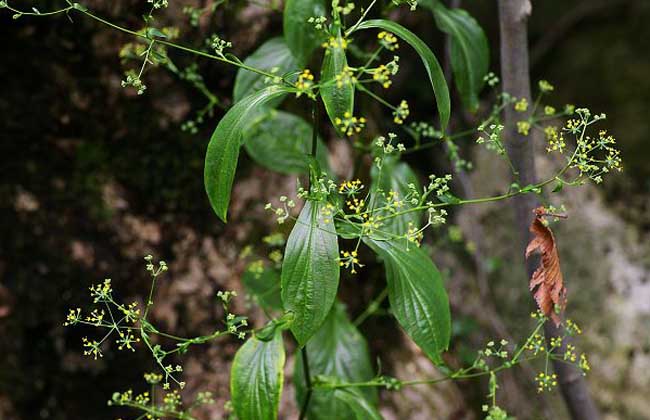
Bupleurum is a perennial herbaceous plant that originally grew wild. In recent years, insufficient medicinal resources due to harvesting have led to its cultivation from wild to domestic. During cultivation, attention must be paid to pest and disease control of Bupleurum. Let's take a look together below!
Rust Disease
[Damage Characteristics] Rust disease is caused by fungi and damages leaves. The back of diseased leaves appears slightly raised, and later ruptures to release orange-yellow spores.
[Control Methods] After harvest, clean the field and burn debris. In the early stage of disease, spray 50% dinitro dispersible powder at 200 times dilution or 400 times dilution of Bordeaux mixture substitute. Spray once every 10 days, for 2 to 3 consecutive applications.
Root Rot
[Damage Characteristics] Root rot mainly damages the roots of Bupleurum, causing rot, wilting and death.
[Control Methods] Clean field sanitation, burn diseased plants, plant on raised beds, pay attention to drainage, disinfect soil, remove diseased plants, and disinfect planting holes with lime.
Leaf Spot Disease
[Damage Characteristics] Occurs during the rainy season, mostly infecting from leaf margins and leaf tips. Lesions grow from small to large in irregular shapes, red-brown to gray-brown. Lesions merge into large dead spots, with dried area reaching 1/3-1/2 of the leaf. Lesion edges have a darker band than the lesion itself, with clear boundary between diseased and healthy tissue. Later, small black dots appear on the lesions.
[Control Methods] Spray with 1:1:100 Bordeaux mixture for control.
Yellow Swallowtail Butterfly
[Damage Characteristics] The yellow swallowtail butterfly belongs to Lepidoptera, Papilionidae. It causes damage from June to September. Larvae damage leaves and flower buds, eating them into notches or leaving only flower stalks.
[Control Methods] Hand-pick and kill, or use 90% trichlorfon at 800 times dilution, spraying once every 5 to 7 days for 2 to 3 consecutive applications. Spraying with Bacillus thuringiensis (containing 10 billion spores per gram) at 300 times dilution also gives very good results.
Red-striped Stink Bug
[Damage Characteristics] The red-striped stink bug belongs to Hemiptera, Tessaratomidae. It causes damage from June to August. Adults and nymphs suck sap, causing poor plant growth.
[Control Methods] Hand-pick and kill, or spray with 90% trichlorfon at 800 times dilution.