How to Propagate Bletilla Striata? A Detailed Guide to Common Propagation Methods
Bletilla striata prefers a warm, shady and humid environment, such as the understory of wild mountain valleys. It is slightly cold-tolerant and can be grown in the open field in the middle and lower reaches of the Yangtze River. It is strongly shade-tolerant and dislikes direct strong light. When temperatures are high and drought occurs in summer, its leaves tend to turn yellow and wither. It is best grown in well-drained sandy loam rich in humus. The main propagation methods for Bletilla striata are division propagation and seed propagation. Let's take a look below!
Division Propagation of Bletilla Striata
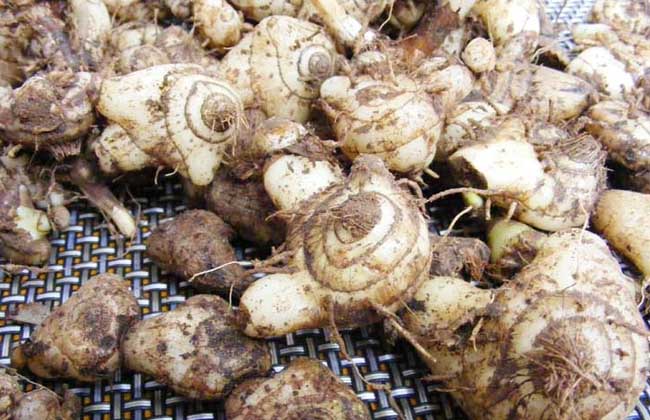
Bletilla striata is commonly propagated by division. Before new leaves sprout in spring or after the aboveground parts wither in autumn and winter, dig up the old plants, divide the pseudobulbs and replant them. Each plant can be divided into 3-5 plants, which must retain the terminal bud. Traditional cultivation mainly relies on division propagation.
However, because division propagation has a long cycle, low propagation efficiency and a high consumption of planting material, it is difficult to meet the needs of large-scale cultivation.
Seed Propagation of Bletilla Striata
Bletilla striata can also be propagated by seed, but its seeds are very small and have no endosperm, so under natural conditions they are difficult to germinate and grow, and the cultivation of seedlings is relatively difficult.
Tissue culture technology can rapidly propagate large numbers of seedlings. Aseptic sowing is carried out on different culture media. After the seeds germinate, tissue culture methods are used for clonal propagation, achieving large-scale production of Bletilla striata seedlings while exploring effective rapid propagation techniques.
Pest and Disease Control of Bletilla Striata
Black spot disease often occurs; spray with a 1000-fold dilution of 70% thiophanate-methyl wettable powder. Sometimes root-knot nematode disease causes damage; apply 3% carbofuran granules to the potting soil.