Detailed Explanation of Reishi Mushroom Cultivation Techniques and Management Methods
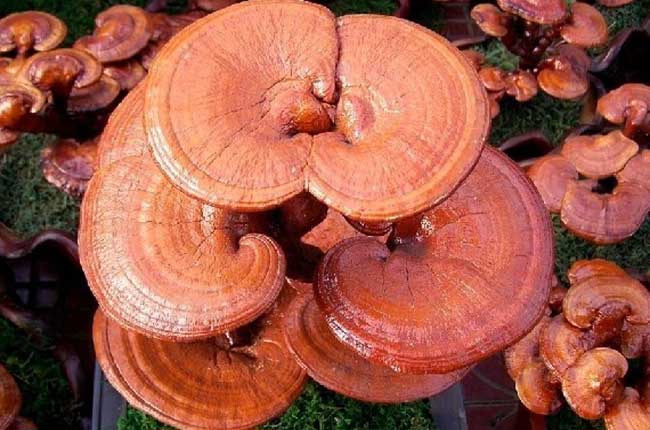
Reishi mushroom, also known as red reishi, red ganoderma, or reishi herb, is a precious medicinal fungus. The rapid-growth, high-yield field cultivation technique for reishi mushroom features bags that stay intact, fixed-point fruiting, directional water supply, high biological efficiency, and good product quality. Each mu of land can be planted with 8000-10000 sticks, yielding considerable economic benefits.
Stick Preparation and Mycelium Incubation
1. Culture medium formula
① Hardwood sawdust 78%, wheat bran (or rice bran) 20%, sugar 1%, gypsum 1%.
② Cottonseed hulls (or sweet potato vine residue) 78%, wheat bran 15-20%, gypsum 1-2%, sugar 1%, urea 0.4%, superphosphate 0.6%.
The moisture content of the above culture media is kept at 60%, with a pH value of 5.5-6.
2. Bagging and sterilization. Use low-pressure polyethylene plastic bags, size 60 cm × 15 cm, thickness 4-5 silk (0.04-0.05 mm), each bag filled with 1 kg of dry material; the bags must be packed firmly. For small-scale cultivation, you can fill by hand while pressing the material with a wooden stick; for large-scale cultivation, a bagging machine can be used. After bagging, tie the bag opening tightly and heat-seal it. Bags filled on the same day must be sterilized the same day. Sterilization involves raising the temperature to 100°C and holding it for 10-12 hours.
3. Inoculation and mycelium incubation. After the bag temperature drops to 30°C, inoculate under aseptic conditions in an inoculation box or inoculation room. Inoculation method: use a sterilized hole punch to make 5 holes on the bag surface, arranged at equal distances in a straight line, with a hole diameter of 1.2-1.5 cm; then use tweezers to pick up a small piece of spawn and quickly insert it into the hole, and stick a 12 sq cm piece of adhesive tape over the hole opening. Each bottle of spawn can inoculate 80-100 holes. The inoculated sticks are immediately placed in the culture room for incubation (the culture room should first be sterilized with formaldehyde, with the temperature controlled at 22-25°C). After 5 days of incubation, arrange the sticks in a "well" shape or triangular pattern, with 8-12 layers per row and 3-4 bags per layer, and rotate them once every 5-6 days.
When the inoculated mycelium grows to a diameter of more than 2 cm, peel back a corner of the adhesive tape to increase oxygen. Only peel back 1-2 holes per stick at a time. After 45-60 days of incubation, white or yellow raised lumps appear on the surface of the mycelium medium, indicating physiological maturity has been reached and the sticks can be moved to the field for fruiting.
Site selection. Reishi mushroom cultivation can be done indoors or outdoors; generally, substitute material cultivation is done indoors, and short-log cultivation is done outdoors. Since the optimum temperature for reishi mushroom cultivation is 25°C-28°C, the site should be chosen to have sufficient light in spring and autumn and be cool in summer. A semi-basement is more suitable for reishi mushroom's temperature and humidity requirements. Outdoors, the best location is under tree shade, or an artificial shade shed can be built.
Field management
Within 3-5 days after burying the bags, there is no need to disturb the plastic film; when the surface soil temperature exceeds 28°C, uncover the film for ventilation. After 5 days, gradually increase ventilation, lifting the film 2-3 times a day for 20-30 minutes each time, then gradually increase. If the covering soil turns white, spray water in conjunction with uncovering the film for ventilation; the best amount of water sprayed is such that the covering soil moisture content reaches 25%, that is, the soil particles have no white centers. After small mushroom buds form, spray water 1-2 times daily inside the shed frame to maintain a relative air humidity of 85-95%. After the cap differentiates, take care when spraying water to avoid getting it on the caps as much as possible. When the fruiting body cap stops growing, it has reached the maturity standard; harvest the first batch for processing.
Harvesting and processing
Reishi mushroom is highly tenacious, and its base is also very tightly connected to the culture medium; unlike other fungi, it does not come off easily, and carelessness can cause it to break at the junction between the cap and the stipe, lowering its grade. The best method is to use pointed-nose pliers to grip the base of the reishi mushroom and pull it off, then use scissors to remove impurities and sun-dry it immediately. If rainy weather occurs, bake it promptly. Reishi mushroom is mainly used for medicinal purposes, and processing is primarily drying. Once thoroughly dried, immediately store it in non-toxic plastic bags to prevent moisture regain and spoilage.
After harvesting the first batch of mushrooms, increase ventilation to promote mycelium recovery and growth, and spray heavily to promote the formation of mushroom buds. Subsequent management is the same as before; a total of 3 batches of reishi mushrooms can be harvested throughout the cycle.