How to Grow Cassia Seeds for High Yield? Detailed Guide to Cultivation Techniques
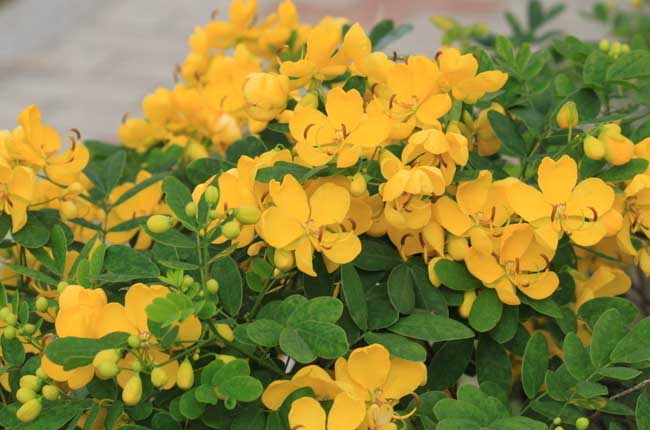
Cassia seeds are the dried ripe seeds of Cassia obtusifolia, an annual herb in the Fabaceae family, also known as Juemingzi or Matijueming. They are mostly cultivated and produced throughout the country. In the south, they are mainly produced in Anhui, Zhejiang, Guangdong, Guangxi and Sichuan; in the north, the main producing areas are Hebei, Shandong and Henan. The related species Cassia tora is also produced throughout the country; it is short cylindrical, smaller, 3-5mm long and 2-3mm in diameter, with a yellow-green surface, a broad brown band on each side of the ridge line, a faint odor and a slightly bitter taste, and it can also be used as medicine.
Growth Habits
Cassia seeds prefer warmth and are drought-tolerant but not cold-tolerant; they are afraid of frost damage. Seedlings and mature plants are easily killed by frost, which causes leaf drop, and the seeds cannot mature. Cassia seeds are not demanding about soil and can even be grown on idle land, but well-drained, deep, loose and fertile sandy loam is best.
Planting Techniques
1. Seed selection: Before sowing, the germination rate of the seeds should be tested. Specific method: divide plump seeds into several portions, number them in order, take 125-250g from each portion and place them in correspondingly numbered containers, soak them in warm water at about 50°C for one day and one night, then pour off the water, rinse once with clean water, then cover with a wet cloth to maintain moisture. After three days, they will begin to sprout one after another. Select those with a germination rate of 85% or above as seed.
2. Land preparation: In the selected plot, apply 2000-2500kg of farmyard manure and 25kg of superphosphate per mu, spread them evenly on the ground, plow, harrow finely and level. Generally no beds are made; if beds are made, flat beds 1.2-1.5m wide can be used.
3. Sowing: Soak the selected superior seeds in warm water at 50°C for one day and one night. After they absorb water and swell, remove them and dry the surface, then sow. The sowing period is preferably from Qingming to Guyu (mid-April), when the temperature is 15-20°C. If too early, the soil temperature is low and the seeds are prone to rot in the soil; if too late, the seeds cannot mature, affecting yield and quality. Drilling is preferable, with a row spacing of 50-70cm. Open furrows 5-6cm deep, spread the seeds evenly in the furrows, cover with 3cm of soil, press lightly, and seedlings will emerge about 10 days after sowing. In the arid north, irrigate before sowing rather than watering after sowing, so as to avoid surface soil crusting that affects seedling emergence.
Field Management
1. Loosening soil and weeding: When the seedlings are 3-6cm tall, thin them by removing weak or overly dense seedlings; when the seedlings are 10-13cm tall, final thinning is done, with a plant spacing of about 30cm. Loosen the soil and weed at the same time as thinning and final thinning to keep the soil loose. Cassia seeds are relatively drought-tolerant, and normal growth can be maintained at ordinary soil moisture. In dry weather, water appropriately, but during the final thinning period, water less to promote root development. By Bailu (early September), when the fruits tend to mature, watering can be stopped.
2. Topdressing: When the plants are about 35cm tall and before the plants close the rows, apply 20kg of superphosphate and 10-15kg of ammonium sulfate per mu, mixed between the rows, then cultivate and earth up to bury the fertilizer in the soil, which can also prevent lodging.
Pest and Disease Control
The most common disease of cassia seeds is gray leaf spot, caused by a type of imperfect fungus, which mainly damages the leaves. At first, slightly pale brown lesions appear in the center of the leaves, and then gray mold-like material forms on the lesions. Before or in the early stage of the disease, spray 500 times 65% zineb solution or 800-1000 times 50% Tuzet solution for control.
Pests mostly occur in late spring and early summer, mainly aphids, which are controlled by spraying a 200-times solution prepared with dimethoate emulsion.
Harvesting, Processing and Storage
Cassia seeds gradually mature around Qiufen (late September). Harvest when the pods turn yellow-brown. Cut down the whole plant, dry it in the sun, thresh out the seeds, remove all impurities, and it becomes medicinal material. Cassia seeds should be stored in a ventilated, dry and cool place, with attention to moisture-proofing and rodent control.