What are the key cultivation techniques for Cynanchum paniculatum?
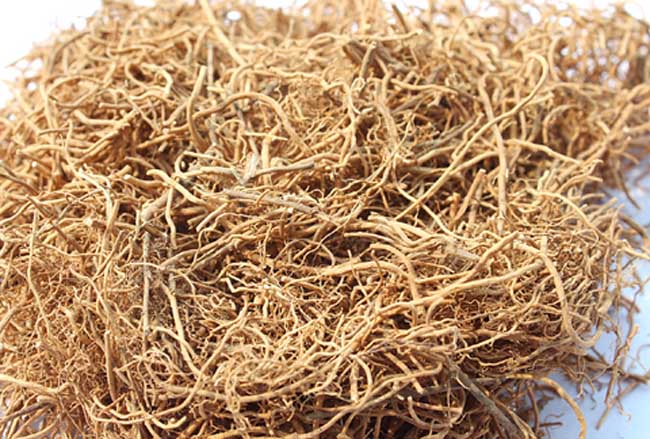
Cynanchum paniculatum is the root and rhizome, or the whole plant with roots, of the perennial herb Cynanchum paniculatum in the family Apocynaceae (dogbane family). It is distributed across most parts of the country and grows wild mostly on hillsides or in roadside grass. It is mainly produced in East China, Guizhou, Guangxi and the Northeast, among other places. In recent years, medicinal herb growers in East China and elsewhere have succeeded in trials to domesticate the wild plant, and it is now grown on a small scale.
Growth Habits
Cynanchum paniculatum is a perennial upright herb, reaching 60-80 cm in height. It has strong adaptability to climate and can grow normally in sunny places in the mountainous areas and plains both north and south of the Yangtze River. It prefers a warm, moist environment but is intolerant of waterlogging, and it has strong heat and cold tolerance: it can still grow normally when the temperature is above 30°C, and its underground rhizome can survive at -20°C. Plants more than 2 years old can flower and set seed, but the seed-setting rate is relatively low. The seeds germinate easily, with an optimum germination temperature of 25°C-30°C, a germination rate of over 90%, and a seed lifespan of 2-3 years.
Planting Techniques
Site selection and land preparation: It is best to choose fertile sandy loam rich in humus, with a deep soil layer and good drainage. Apply 2000-3000 kg of fully decomposed farmyard manure per mu, plus 30 kg of superphosphate as base fertilizer, dig to a depth of about 30 cm, level and harrow fine, and make raised beds 130 cm wide and 6-10 m long, or as the terrain dictates; the bed surface should be shaped like a turtle shell. Finally, dig main and secondary drainage ditches of appropriate size according to local conditions.
Propagation Methods
In production, two methods are commonly used: seed propagation (raising seedlings for transplanting) and division propagation.
1. Seed propagation. Select seeds from plants more than 2 years old that are mature, plump and generally have a germination rate above 80%. For spring sowing, the sowing period is February to March; in low-temperature areas, autumn sowing from September to November is mostly adopted. Make raised beds 130 cm wide in the seedling nursery, open furrows for drilling at a row spacing of 15 cm, with a furrow depth of about 2 cm and a level furrow bottom. Scatter a layer of decomposed compost powder in the sowing furrow and pour on human and livestock manure water. Mix the seeds with plant ash, scatter them evenly in the sowing furrow, then cover with a layer of burnt soil or humus soil, and finally cover with grass to keep the bed surface moist. Seedlings emerge after 2-3 weeks. Remove the covering grass promptly after emergence. After the seedlings are uniform, thin and final-thin several times at successively different plant spacings, and loosen the soil, apply topdressing and remove weeds in good time. After careful cultivation for 1 year, carefully dig up the seed roots after the plants die back in winter and before they sprout the following spring, and transplant them. Plant at a spacing of about 22-26 cm between plants and rows, 2 plants per hole; when planting, straighten the root system, cover with soil and firm it, and pour on manure water to settle the roots. For seed-based seedling propagation, the sowing rate is 1.5-2.5 kg per mu, which can be transplanted to expand planting to 8-10 mu of field.
2. Division propagation. In early spring in March, dig up the underground rhizomes of Cynanchum paniculatum and select fresh rhizomes that are robust, white in color, with dense nodes and free of pests and diseases. Cut off the overly long fibrous roots for medicinal use, leaving roots about 5 cm long; then, according to the number of buds, cut the rhizome into pieces and separate the mother clumps into several plants, each retaining 1-2 buds. The planting method is the same as for seedling transplanting. Each mu of field requires 45-80 kg of rhizomes for planting, and the seed rhizomes from each mu of mother field can be transplanted to about 10 mu of field.
Field Management
1. Thinning and filling in seedlings. In the seedling nursery, seedlings emerge 20-25 days after sowing. After the seedlings are uniform and about 3 cm tall, start thinning, and continue 2-3 times thereafter. When the seedlings are 7-10 cm tall, final-thin by leaving plants at staggered positions, with a plant spacing of 6-10 cm and a row spacing of about 15 cm. If gaps are found during thinning, replant promptly.
2. Cultivation and weeding. One week before land preparation, spray the ground with herbicides such as glyphosate (Roundup), then prepare the land, open furrows and sow. Before seedling emergence, cover the bed surface with a layer of raw soil or burnt soil. During the seedling stage the temperature is relatively low and the plants grow slowly, but weeds are especially harmful to Cynanchum paniculatum at the seedling stage, so it is essential to seize the opportunity to loosen the soil and weed 2-3 times before the rows close (when seedlings are 15-20 cm tall). When loosening the soil, work shallowly near the plants and deeper between the rows to avoid damaging the roots; protect the seedlings well, prevent them from being pressed by clods of soil, and above all do not injure the stems. If the soil crusts after rain, loosen it promptly as well.
3. Earthing up around the clumps. After the transplanted seedlings have survived and reached a height of 20 cm, mix livestock manure with burnt soil or other fertile soil free of weed seeds, crush it, and cover the base of the plants to a thickness of no more than 3 cm. This can promote the growth of the underground parts of the plants and increase yield.
4. Reasonable topdressing. In addition to applying sufficient base fertilizer before land preparation, topdressing must be applied appropriately 2-3 times. The first time is before Qingming, when the seedlings are 3-6 cm tall: apply 1500 kg of dilute human and livestock manure water per mu (or 4 kg of urea mixed with water) to the roots to promote seedling growth. The second time is in early to mid-May: apply nitrogen, phosphorus and potassium together, using 8-12 kg of quality ternary compound fertilizer plus 25 kg of decomposed cake fertilizer powder per mu, mixed evenly and applied in holes 10 cm away from the plants, to meet the plants' need for branching and leaf growth. The third time is around Mangzhong (Grain in Ear): apply fertilizer according to the condition of the plants, generally mainly farmyard organic fertilizers such as decomposed human and livestock manure water and biogas slurry. Each topdressing should be combined with cultivation and weeding. In addition, if foliar topdressing is applied to the plants 2-3 times with trace-element fertilizers or hormones such as potassium dihydrogen phosphate solution, it can improve the plants' resistance to disease and lodging and increase yield.
5. Drainage and irrigation. After the seeds germinate, pay attention to watering to keep the soil moisture moderate. In drought, water promptly to combat it and prevent the plants from drying out and dying; in the rainy season when rainfall is concentrated, prevent waterlogging from rotting the roots and clear the ditches to drain water in good time.
6. Trellising. Along the direction of the bed furrows, erect 2 bamboo or wooden stakes every 6 m (wooden stakes about 120 cm tall). At heights of 25 cm, 45 cm and 65 cm above the bed surface, run 2 lines of cloth strips or plastic rope at each height, and support the plants prone to lodging against both sides of the ropes to hold them in place. Trellising in good time solves the problem of Cynanchum paniculatum being prone to lodging and thus yielding poorly; it promotes normal growth and branching of the plants, increases the number of branches, thickens the stems, increases plant height, and thereby raises yield.
7. Seed retention. The seed field should be managed intensively to prevent the plants from lodging too early. Apply foliar topdressing with potassium dihydrogen phosphate before flowering, or appropriately spray a compound fruit-setting agent at flowering, which can effectively increase the fruit-setting rate and promote robust seed growth. The fruits generally mature in September. Because the follicles split open automatically after ripening and the seeds then drift away with the wind, they should be harvested in good time. When the follicles turn yellow-green and are about to split, harvest them in stages and batches in good time. Put the harvested fruits in a shallow tray and rub them to remove the fruit shells and seed plumes; select mature, plump, brown seeds and store them in a dry, cool place, or store them in kraft paper bags or cloth bags. During storage, turn and sun them frequently to prevent adult and larval cadelle beetles from biting and eating the seeds.
Pest and Disease Control
1. Diseases. Cynanchum paniculatum generally suffers few diseases, but attention must be paid to the harm caused by root rot, in which affected roots turn black and rot. This disease generally begins in early May, is severe from June to July, and can continue until the end of October; poor drainage or low-lying terrain favors its occurrence. Control methods: drain water and loosen the soil promptly in the rainy season to reduce humidity among the plants on the ground; pull out diseased plants promptly and treat the diseased holes with lime to prevent spread. For chemicals, use 50% carbendazim 500-fold solution, 70% hymexazol 500-fold solution, or 58% metalaxyl wettable powder 600-fold solution, 25% root-rot-ling wettable powder 500-fold solution, or 75% chlorothalonil wettable powder 600-fold solution to drench the root zone of the plants, so as to reduce the harm.
2. Insect pests. These are mainly aphids and true bugs, which mainly harm the stems and leaves of young, tender plants and suck plant juices. Control methods: spray with 40% omethoate 2000-fold solution per mu, or dilute 20 ml of 20% fenvalerate with 50 kg of water and spray the plants, once every 7 days, for 2-3 times in succession, to control the pests.
Harvesting and Processing
Cynanchum paniculatum propagated by division can be dug up in the same year after planting. Those propagated from seed are dug up after 2 years. For those not needed as seed roots, dig up the whole plant with the roots, wash off the soil, and sun-dry. For those to be kept as planting stock, harvest the stems and leaves and the roots separately in autumn and spring. For the harvested stems and leaves, remove all soil and impurities, sun-dry until half dry, tie into small bundles, then sun-dry or dry in the shade. Roots are generally harvested in early spring of the following year in conjunction with sowing: cut off the seed roots to keep as planting stock, and wash the remaining roots, remove impurities, and sun-dry them for sale as medicinal material. The dried whole-plant stems and leaves are grayish green; the dried roots and rhizomes are dark brown, brittle and easily broken. Those that are dry, plump, of proper color, free of impurities and strong in odor are considered the best quality.