What are the key technical points for growing Rehmannia?
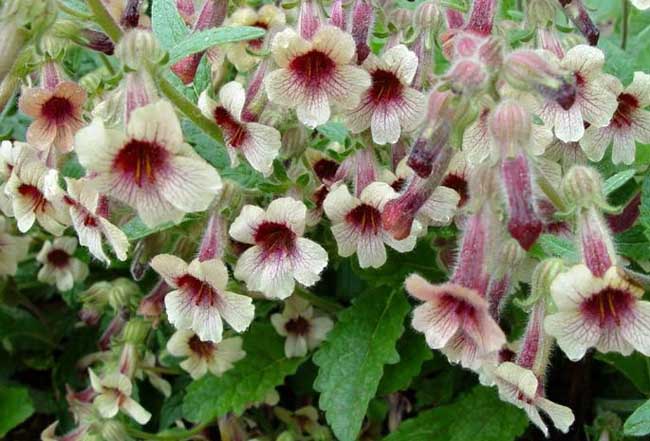
Rehmannia, also known as Shengdi (raw Rehmannia) and Shudi (prepared Rehmannia), belongs to the genus Rehmannia in the family Scrophulariaceae. Its rhizome is used medicinally and has effects such as strengthening the heart, promoting diuresis, relieving pain, lowering blood sugar and protecting the liver. It can be cultivated throughout the country. The main techniques and key production measures for high-yield cultivation of Rehmannia are as follows.
Site Selection and Land Preparation
Choose sandy loam soil with deep, fertile layers and good drainage. In the winter of the previous year or early spring, plow the soil to a depth of more than 25 cm, and at the same time apply 2000-3000 kg of decomposed compost and 25 kg of superphosphate per mu as base fertilizer. Then level and harrow the soil fine and make beds, generally 1.3 m wide. Note in particular that Rehmannia should not be grown in continuous cropping, which is also a key measure to observe in site selection.
Seed Selection and Planting
Generally, Rehmannia is cultivated using rhizomes as propagation material, called "planting stock" in production. For Rehmannia "planting stock", the "inverted planting" "planting stock" cultivated in July-August of the previous year is generally selected, because when "inverted planting" "planting stock" is used as seed, Rehmannia yields are high, quality is good and variety degeneration can be prevented. Before planting, remove the head and tail of the "planting stock" and take the middle section. Then cut it into small sections 3-6 cm long, each section retaining two to three bud eyes. Dip the cut ends in plant ash, let them dry slightly and then plant. The general planting density is 30-40 cm between rows and 25-30 cm between plants. Dig small holes 3-5 cm deep on the prepared bed surface, place 1-2 sections of "planting stock" horizontally in each hole, cover with 1 handful of burnt soil ash mixed with manure water, and then cover with fine soil level with the bed. Each mu requires 40-60 kg of "planting stock". When selecting seed, try to use "inverted planting" "planting stock" as much as possible and avoid using small commercial stock; at the same time, remove the "old mother tuber" from the "planting stock". That is, the seed stock planted in the first ten days of the month.
Field Management
1. Thin and fill in seedlings in time. When the seedlings are 10-12 cm tall, begin thinning, leaving 1 strong seedling per hole. If there are missing plants, replant promptly on cloudy days, and when replanting, lift the seedlings with soil, as this gives a higher survival rate;
2. Cultivation and weeding. Rehmannia rhizomes enter the soil relatively shallowly, so intertillage should be shallow to avoid damaging the roots. Weeds around the seedlings should be pulled out by hand. After the plants close the rows, stop intertillage;
3. Topdressing. Rehmannia likes fertilizer. In addition to applying sufficient base fertilizer, after thinning apply 100 kg of superphosphate and 30 kg of decomposed cake fertilizer per mu to promote rhizome development and expansion. When the rows close, broadcast 1 application of burnt soil ash between the rows to promote robust plant growth;
4. Irrigation. Rehmannia has a high water requirement in the early stage, so water frequently. In the later stage, which is the underground rhizome expansion period, water should be conserved. In the rainy season, drain promptly to prevent root rot;
5. Remove creeping surface roots. In addition to the main root, Rehmannia can also grow slender underground stems along the soil surface, called creeping surface roots. These creeping surface roots consume a considerable amount of nutrients and should be removed promptly.
Preventing Pests and Diseases
The main diseases of Rehmannia include leaf spot, ring rot and Fusarium wilt. These diseases generally begin to occur in early May and are severe in June-July, so timely prevention and control should be carried out. Pests include red spider mites, cutworms and white grubs, etc. These are controlled by conventional methods, and care should be taken to avoid using highly toxic pesticides when choosing chemicals.
Harvesting and Processing
For spring-planted Rehmannia, when the aboveground stems and leaves wither and yellow around November of the same year, dig promptly. When digging, open a 35 cm deep trench at one end of the bed and carefully remove the rhizomes one by one. For processing, Rehmannia is processed into Shudi (prepared Rehmannia) using a special roasting oven, which then becomes the commodity.