How do you care for potted roses? Do these few things well and the flowers will bloom big, fragrant and beautiful
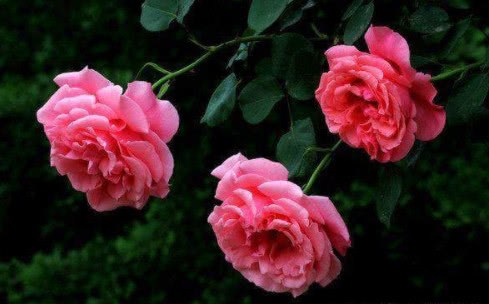
Potted roses, their delicate flowers are very beautiful; from bloom to fall, the various charms they display are all so endearing. A rose just emerging from its bud is like a bride under a veil, charming and shy, stirring tender feelings. When in full bloom, they are like pearls gathered in the hand, dancing gracefully in the wind, beautiful as fairies, leaving one utterly enchanted.
When fully open, the color becomes even more gorgeous; the petals layer outward, just like the precious lotus throne of Guanyin Bodhisattva, and at the center of the throne is the tender yellow, lovely stamen. The flower colors are even more colorful, as if they encompassed all the colors in the world. Red is passionate, purple is mysterious, white is pure, yellow is brilliant, pink is charming, green is elegant, and there are also black, blue, bicolor, tricolor...
Ground-planted roses are relatively easier to grow than potted roses; they are not prone to waterlogging, and excess water can be stored underground. With potted roses, humidity is harder to control: too much water easily causes waterlogging, and the roots rot easily, while a lack of water means the plant cannot grow well, or may even dry up and die. Therefore, potted roses have higher requirements for their growing medium.
The growing medium for potted roses should ideally satisfy three points: air permeability, water retention and fertilizer retention. Almost all plants like to grow in a loamy soil environment rich in organic matter with moderate acidity and alkalinity, and roses are no exception, preferring soil with a suitable proportion of sand.
For growing roses, ordinary garden soil will do, as long as it is not too compacted. If it is too compacted, just add some sand or peat soil or similar loose substrate. When the mixed soil is grabbed with the hand, it should feel gritty, easy to loosen, and feel fertile.
Water is very important to any plant. When watering potted roses, if you give too little when they need more, or too much when they need less, it will affect normal growth, and it will also be very difficult for them to produce good flowers. For daily watering, follow the principle of "dry and wet alternating" in spring and autumn, and adjust appropriately according to seasonal changes and the plant's water consumption as it grows. Allocate water according to need: water more when more is needed, water less when less is needed, and do not water when none is needed.
For potted roses, when they revive and turn green in early spring, just water thoroughly and then follow the dry-and-wet alternating principle; do not water too much. This way, the shoots that emerge will be sturdier and the internodes shorter. When the terminal buds or axillary buds begin to sprout, water less, which can promote root development and lay the foundation for sturdy shoots and good flowers.
For potted roses, before the flowering period, you can increase the frequency of watering a little to keep the soil moist, so the flowers do not wither easily. When winter brings the dormant period, the rose leaves have all fallen, and at this time their water consumption is not great; just maintain a certain humidity without letting the soil dry out completely, so as to ensure the normal needs of root growth.