The Complete Guide to Growing Flowers: Which Flowers Are Both Easy to Grow and Grow Well?
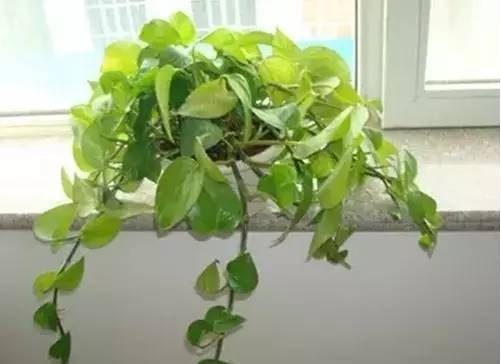
Do you also have a few potted green plants or flowers at home? Are they growing well? Do you know exactly how often these plants and flowers should be watered, and whether they should be placed indoors or on the balcony?
Below is a collection of the growing methods and precautions for 45 kinds of green plants and flowers. Save it first, because you surely have some of these flowers at home!
Of course, you can also share these practical tips with friends, who may need them right now.
1
Golden Pothos
Loves water; water thoroughly once every three or four days; rarely expose to sun; placing it in a spot with light is fine too.
2
Clivia
Water once every half month; do not water thoroughly; right after watering, place it on a balcony without strong sunlight to cool for a few days, otherwise the roots will rot from being too wet. Avoid direct sun exposure.
3
Snake Plant
Water once every half month; do not water thoroughly; right after watering, place it on a balcony without strong sunlight to cool for a few days, otherwise the roots will rot from being too wet. Avoid direct sun exposure.
4
Azalea
Prefers cool, ventilated conditions; avoid high heat; prefers partial shade, avoid blazing sun; prefers moisture, avoid dryness; prefers acidic soil, avoid alkaline soil; prefers well-drained pine-needle soil, avoid waterlogging; if drainage is good, more water is fine, and the leaves should be misted frequently.
5
Kalanchoe
Water thoroughly once a week; rarely expose to sun; place in a bright spot; direct sunlight will make the flowers shrivel.
6
Money Tree
Does not like water; spray a small amount of water every 20 days, or pour a little water into the saucer; cannot be exposed to sun; if watered thoroughly repeatedly, it will die, so water cautiously.
7
Bleeding Heart Vine
Prefers warm, humid conditions; not cold-tolerant; prefers abundant sunlight, fears intense direct light; prefers fertile, well-drained, breathable humus soil.
8
ZZ Plant
Does not like water; spray a small amount of water every half month, or pour a little water into the saucer; cannot be exposed to sun.
9
Purslane (Jade Plant, Elephant Bush)
Loves water; water thoroughly once a week; expose to plenty of sunlight.
10
Dracaena
Loves water; water thoroughly once a week; expose to plenty of sunlight.
11
Camellia
Camellia is a shade-loving flowering plant; fears sun exposure; in summer it prefers cool, humid conditions, and in winter it prefers a warm environment; the flowers and leaves should be misted frequently. Fears drought; avoid waterlogging.
12
Snake Plant, Bowstring Hemp
Prefers a warm, sunny environment; tolerant of partial shade; fears sun exposure; tolerant of dryness; avoid waterlogging; not demanding about soil; usually place it in a well-ventilated sunny spot; water so that it alternates between moist and dry.
13
Lucky Bamboo
Prefers a warm, humid, semi-shaded environment; prefers diffused light; avoid direct blazing sun; prefers loose, fertile soil. Usually place it in a bright indoor spot; avoid direct sunlight in summer; in winter it needs more sunlight.
14
Potted Pomegranate
Prefers a warm, sunny environment; relatively cold-tolerant; drought-tolerant; fears waterlogging; prefers loose, fertile soil. Only if light, water, fertilizer and pruning are all on point will it produce abundant flowers and fruit.
15
Asparagus Fern
Loves water; water thoroughly once a week; expose to moderate sunlight.
16
Jasmine
Prefers a hot, humid, sunny environment; not tolerant of shade, cold or drought. It grows well at temperatures of 25-30 degrees; below 4 degrees it begins to suffer cold damage, with leaves dropping or even death. Prefers loose, fertile, well-drained soil rich in organic matter.
17
Haworthia
Prefers a warm, sunny environment; drought-tolerant; fears waterlogging; prefers humus-rich, well-drained sandy soil.
18
Kalanchoe
Prefers a warm, humid environment; although it likes sunlight, it is also relatively shade-tolerant; avoid extreme heat; drought-tolerant; prefers well-drained sandy soil; water so that it alternates between moist and dry; in summer provide appropriate shade and ventilation; in winter strictly control watering.
19
Aloe
Prefers a sunny, warm, humid environment; not cold-tolerant; prefers loose, fertile, well-drained soil; in summer it needs ample watering and frequent misting of the leaves; in other seasons control water; in spring and autumn it likes direct sunlight.
20
Anthurium
Water thoroughly once every twelve days; expose to moderate sunlight.
21
Chrysanthemum
A sun-loving flower; prefers cool conditions; likes abundant sunlight; in cool autumn weather its cold tolerance is relatively strong, with 18-22 degrees being best; relatively drought-tolerant but not tolerant of dampness, especially fearing waterlogging; tolerant of mild alkalinity; requires sandy soil rich in humus, loose and well-drained.
22
Chinese Evergreen, also known as Aglaonema
Prefers warm, humid conditions; highly shade-tolerant; avoid dryness; fears intense direct light; slightly cold-tolerant; keeping the indoor temperature above 5 degrees in winter is enough for it to overwinter safely. In summer's high temperatures water more; in spring and autumn water so that it alternates between moist and dry; in winter water sparingly.
23
Croton, also known as Variegated Laurel
Prefers high temperatures, high humidity and sun; not cold-tolerant; prefers loose, fertile, well-drained sandy soil; grows well when winter temperatures are above 15 degrees; below 10 degrees will cause death.
24
Banana Shrub
Prefers warm, humid conditions; a semi-shade-loving flower; requires good ventilation and appropriate shade. When air humidity is high, the leaves are deep green and smooth. Not tolerant of drought; avoid blazing sun exposure, otherwise the leaves easily turn yellow. Likes fertilizer and water but fears waterlogging; not very cold-tolerant; prefers fertile, loose, slightly acidic sandy soil.
25
Echeveria
Prefers warmth, dryness and ample light; also tolerant of partial shade; fears cold; suitable for fertile, well-drained sandy loam. During the growing period, maintaining 4-6 hours of light daily makes it grow robustly with vivid leaf color. Spray the leaves with clean water once every 7-10 days; Echeveria is fine without watering for ten days to half a month. If kept in a dark indoor spot for a long time, it will drop its leaves.
26
Ficus
Prefers warmth; not cold-tolerant; in the north it must be moved into a greenhouse to overwinter. It needs a humid, sunny environment and is also tolerant of partial shade. Not demanding about soil and highly adaptable; although it prefers acidic soil, it can also grow normally in slightly alkaline soil.
27
Gardenia
Gardenia prefers a warm, humid climate; not cold-tolerant; south of the Yangtze River it can overwinter outdoors, while in the north it is always grown in pots and moved indoors to overwinter in winter. Likes light and is also shade-tolerant; when summer sunlight is intense, it should be kept in partial shade, and the leaves should be misted frequently.
28
Peace Lily
A perennial herbaceous flower, divided into large-leaf and small-leaf types; prefers warm, humid conditions; a semi-shade-loving flower; requires good ventilation and appropriate shade in summer. Water so that it alternates between moist and dry; too much water easily causes root rot; requires sandy soil rich in humus, loose and well-drained.
29
Golden Barrel Cactus
A perennial succulent flower; prefers a warm, dry environment; likes ample light and is also tolerant of partial shade; drought-tolerant; it will not die even without watering for a long time, but too much water will cause root rot and death; requires well-drained sandy soil. Note: succulents such as Cleistocactus, Ferocactus, Euphorbia and Hylocereus have basically the same habits as the Golden Barrel Cactus.
30
Milan Aglaia
Prefers warm, humid conditions; fears dryness; not cold-tolerant; likes sunlight; not shade-tolerant; prefers fertile, loose, slightly acidic sandy soil. A poem praises it: "Its small melon-seed leaves are elegant too, the whole tree blooms with rice-shaped flowers; who can match its rich fragrance, welcoming distant guests to brew fragrant tea."
31
Ivy
Prefers a warm, humid, semi-shaded environment; relatively cold-tolerant; prefers fertile, loose, well-drained soil.
32
Serissa
Serissa is an evergreen or semi-evergreen small shrub; prefers a shady, humid, warm climate; not cold-tolerant; not demanding about soil. Prefers well-drained, breathable humus soil. Provide moderate shade in summer; keeping the indoor temperature above 10 degrees in winter is enough for it to overwinter safely.
33
Begonia
Water thoroughly once a week; rarely expose to sun; place in a bright spot; direct sunlight will cause the flowers to lose their color, making them less attractive to view.
34
African Violet
Also known as African Violet. It needs ample diffused light to grow robustly and bloom. The violet's potting soil should be neither too dry nor too wet; when watering, do not pour water on the leaves, otherwise yellow spots or leaf rot will appear. It likes warmth; in summer avoid direct sunlight; the overwintering temperature should be kept above 12 degrees.
35
Rose
The rose is highly adaptable to its environment and prefers warmth; it grows best at an average temperature of 22-25 degrees; during the growing period sunlight must be ample; rose flowers must be pruned; in winter it is best to put them in a cellar to let them go dormant, then take them out around mid-March the next year and prune.
36
Bougainvillea
Also known as Paper Flower; prefers a warm, humid climate; likes sunlight; not cold-tolerant; insufficient light will cause very few flowers and leaf drop. Likes fertilizer and water; grows vigorously; not demanding about soil.
37
Bird of Paradise
Likes sunlight; not tolerant of the blazing summer sun of the north; likes warmth; not cold-tolerant; requires moderate temperatures in winter and a cool, humid environment in summer; prefers well-drained, breathable humus soil.
38
Golden Vein Justicia
Prefers warm, humid conditions; not cold-tolerant; tolerant of partial shade; fears intense light; prefers fertile, loose soil.
39
Spider Plant
Spider Plant is a perennial evergreen herbaceous flower; prefers warmth, partial shade and a humid air environment; requires loose, fertile, well-drained soil. The potting soil should be kept on the dry side; mist the leaves with clean water frequently; keeping the indoor temperature no lower than 10 degrees is enough for it to overwinter safely.
40
Poinsettia
Prefers a warm, humid environment; not cold-tolerant; likes ample light; not shade-tolerant; not demanding about soil, but prefers fertile, loose, well-drained, slightly acidic soil.
41
Asparagus Fern
The asparagus fern's branches and leaves spread out flat, like layered thin clouds, and its stems are like bamboo, hence it is also called Cloud Bamboo. It prefers warmth, humidity, partial shade; fears drought; not cold-tolerant; likes fertilizer. Requires soil rich in humus and well-drained. The asparagus fern is a shade-loving plant and grows well under diffused light. Keeping the indoor temperature no lower than 10 degrees in winter is enough for it to overwinter safely.
42
Hibiscus
Hibiscus likes light, warmth, and a humid, well-ventilated climate; not cold-tolerant; suitable for loose, fertile, deep sandy loam. In winter the lowest temperature should not be below 15 degrees, otherwise it easily drops its leaves; if the room temperature is kept above 20 degrees, it may continue to bloom in winter.
43
Potted Peach
Likes light, warmth, and a humid, well-ventilated climate; fears waterlogging; relatively cold-tolerant. It is not demanding about soil, but fertile, loose soil is best; for overwintering it is best to move it into a cellar when it gets cold, or place it in a shaded, cool indoor spot and water less, just keeping the potting soil from drying out.
44
Wax Begonia
In summer provide shade and protection from rain; in winter it likes ample sunlight. For potted wax begonias, water only after the potting soil has dried; if the potting soil is kept moist for a long time, it easily causes root rot and damping-off disease.
45
Bromeliad
Also known as Pineapple. It prefers warm, humid conditions; requires good ventilation; prefers acidic sandy loam rich in humus, well-drained and breathable. The optimal growing temperature is 20-28 degrees; when summer temperatures exceed 30 degrees, ensure ventilation and cooling. In winter keep it above 15 degrees and give it more light to help it grow strong.