With a good white tea, I wish you peaceful, quiet years
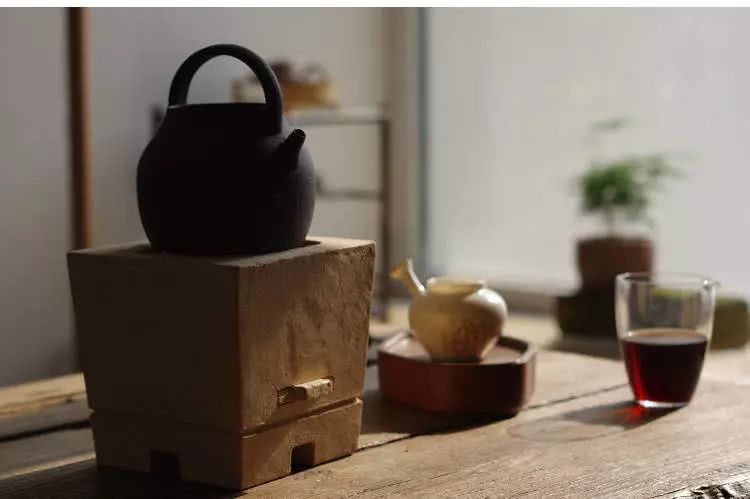
I love drinking tea, and I love those lazy afternoons, leaning against the window, a cup of tea in my hands, watching the slowly shifting sunlight filter through the shadows of the trees and fall upon my face. Gazing out from the window, in that fixed stare, there are always feelings simple and bright, always warm memories drifting across my heart.
A pot of tea, a book, a curtain of dreams, faint tea, faint fragrance, a faint state of mind; with tea as a companion, the years are peaceful and quiet.
Shennong tasted a hundred herbs and encountered seventy-two poisons in a single day, and found tea to cure them. From this, tea became a gift from the gods. Since ancient times, tea has always been the beloved of many men of letters and scholars.
Tea is like life, bitter and astringent; drinking tea, what you drink is a mood, what you savor is the artistic conception. Du Lei's "On a cold night a guest comes, tea serves as wine; the bamboo stove's water boils, the fire first glows red" - what is drunk is a kind of boldness; Lu You's "The green lamp shines at the window, brewing tea to hear the snow fall" - what is drunk is a kind of elegance; Wen Zhengming's "By the cold lamp, new tea is brewed together with the moon; in a shallow bowl, blowing snow, tasting new tea" - what is drunk is a kind of joy; and further still, "When can I share a full meal with you, and brew rustic tea with sweet chrysanthemum floating on top" - what is drunk is a kind of transcendence.
Across the land of China, famous varieties from every region are too numerous to list; of the thousand-plus kinds of tea, there are white tea, green tea, yellow tea, oolong tea, black tea, dark tea and so on, along with an endless array of ways to brew tea. Whichever kind it is, tea lovers will have their personal preferences; yet the love of tea and the understanding of tea mostly come from the heart, and every person can simply sit down and properly enjoy a cup of tea.
Whenever I hear someone talk about a good cup of tea, my heart gives a jolt, afraid of missing any chance to taste tea. In the heart of a tea lover, every kind of tea has its finest grade, yet which tea type one loves varies from person to person; different teas, at different times, bring people different feelings and understandings.
It is said that aged white tea is an antique you can drink. The soul of white tea lies in the process of later transformation and aging. In ordinary, plain days, change comes thread by thread, with nothing forced, everything following the course of time. A pot of aged white tea is the nectar of time, the patient carving of time upon details, a cultivation completed through time.
Who quietly keeps watch over a brick or a cake of tea, from youth to white hair? Who, in the twilight and setting sun, gazes silently at her, as if slowly opening the long-sealed memories of bygone years? A person willing in their youth to prepare tea for their old age must be someone who loves life, and must also be someone full of hope for the future.
Such a person, no matter what circumstances they meet, will never waste time, still less squander their years. They should also be elegant and unhurried, never losing their original feelings for life because of the busyness and rushing about of worldly affairs.
The joy of drinking tea is first the joy of the body, including aroma, water and taste; after a few cups the body warms up, and then it rises to the intermediate joy, namely the joy of the spirit. A tea drinker who enters stillness will begin to think, and poetry, songs, the zither, chess, calligraphy and painting all become possible. The joy of a good tea must be the highest kind, what people often call the joy of the soul, because you feel the effort and dedication of others, and begin to understand that sharing is the greatest joy.
Facing the carving of time, perhaps we should set down all our impatience and fear, sit quietly, and pour every mood into that pot of tea. At this moment, the process of the tea becomes the process of the person.
Time, that time slipping quietly away at the fingertips and the tips of the hair, rises gently from the tea water, thread upon thread, entwined and lingering; time, it turns out, was fragrant all along!
It is the love of tea that brings the obsession with tea; come upon a good tea and you are overjoyed; miss a good tea and you are just as unsettled in heart. When you come across a good tea, you will put it away, and when the right moment comes, take it out and brew a pot, savoring the tea's aroma and telling of the tea's virtues.
Tea tasting is in itself a delightful thing for body and mind; feeling that quietness and warmth, drinking tea together with a few close friends, the tea tastes all the more fragrant and mellow.
With tea, though the body is in the mundane world, one can stay far from the worldly; though the heart is among the dust, one can remain unstained by the dust. Life, with tea, can be bright and clean. Company, can be elegant and of quality; such a state can only exist peacefully in moments that have tea.
Every stretch of time spent drinking tea is a reward given to life. I would trade good white tea for your peaceful, quiet years.