What kind of tea is Maojian? A detailed analysis of the tea category
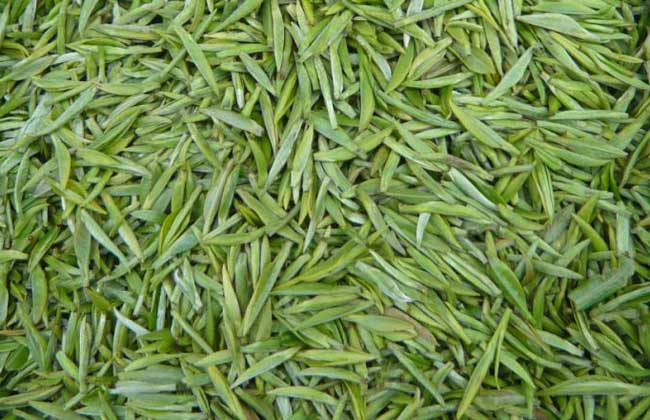
Maojian has a relatively fine, straight, round and smooth appearance, the whole leaf is covered with white down, draped in a layer of green, with a long-lasting aroma. The tea liquor is emerald green, and the taste is fresh, strong, sweet and unique. During brewing, the tea leaves unfurl, slowly sink to the bottom of the cup, and each piece is even and neat, tender, fresh green and smooth. It has a long history of tea culture. Now let us take a look at what kind of tea Maojian is!
What kind of tea is Maojian?
Maojian tea is a variety within green tea. Maojian has a fresh, clean color, an elegant and fresh aroma, and a fresh, mellow, sweet-aftertaste flavor. The fresh tea leaves picked are processed through a series of complex techniques such as screening, spreading, fixation, rolling, deblocking, strip arrangement, initial drying, cooling, and re-drying, and there is no fermentation process during this period. Therefore, it belongs to the unfermented tea category, and the unfermented tea category is classified as the green tea category among the six major tea categories. Common varieties include Xinyang Maojian, Duyun Maojian, Huangshan Maojian, etc.
How to choose Maojian
1. Smell the tea aroma: Hold a handful of Maojian tea leaves with both hands, place it near the nose, and inhale deeply the aroma of the tea leaves. First, see whether it has the aroma of cooked chestnuts; second, distinguish whether the aroma is high or low; third, smell how pure the aroma is. Any tea with a high and proper aroma is certainly high-quality tea.
2. Observe the color: Grab a handful of Maojian tea leaves with your hand and spread them flat on white paper. Look at the color, tenderness, strip shape, and thickness of the dry tea. Any tea with even color, high tenderness, tight strips, consistent thickness, and few broken pieces is superior tea.
3. Smell the aroma: After the Maojian tea leaves are brewed in the cup, immediately pour out the tea liquor, bring the teacup together with the brewed leaves to the nose, and smell the aroma. Any tea whose aroma is clear, high and pure, giving people a feeling of relaxation and joy, can be considered good tea.
4. Look at the liquor color: Generally, after the tea leaves have been brewed for 3 to 5 minutes, pour the tea liquor from the cup into another bowl. This should be done immediately before and after smelling the aroma. For superior Maojian tea leaves, the liquor color should preferably be light green or yellow-green, clear rather than turbid, bright and limpid.
5. Taste the flavor: Maojian tea liquor is strong, mellow and refreshing, and belongs to superior tea. If it is flat and astringent, it is mostly coarse old tea.
6. Evaluate the brewed leaves: Judge the brewed leaves left after the Maojian tea leaves are brewed and the liquor is poured off. Look at old or tender, whole or broken, color, evenness or mixture, softness or hardness, and so on to determine the quality grade. At the same time, also pay attention to whether there are other adulterants.
The drinking benefits of Maojian
1. Anti-cancer effect: Maojian tea is unfermented and contains more tea polyphenols. Tea polyphenols can inhibit the development of bacteria in the body, and vitamin C and vitamin E can block the synthesis of the carcinogen nitrosamine. It has an anti-cancer effect and is of great benefit to the prevention and treatment of cancer. Studies show that people who often drink Maojian have a cancer risk more than 50% higher than those who do not drink Maojian.
2. Anti-aging: The tea polyphenols contained in Maojian can scavenge free radicals that cause human aging and reduce the oxidation of unsaturated fatty acids, thereby achieving an anti-aging effect.
3. Whitening effect: The vitamin C in Maojian itself has a whitening effect, and flavonoids can increase the antioxidant capacity of vitamin C. Drinking it in summer has a whitening effect.
4. Weight loss effect: Tea polyphenols can reduce the blood lipid content in the body, and tannic acid can increase the secretion of gastric juice and increase the ability to break down fat, thereby achieving a weight loss effect.
5. Refreshing effect: Maojian contains more caffeine, which can stimulate the central nervous system, increase thinking, and eliminate drowsiness, thereby achieving a refreshing effect. People with insomnia and frequent dreams, the elderly, and patients with stomach diseases should not drink Maojian.
6. Radiation resistance: Tea polyphenols and their oxidation products have the ability to absorb the toxicity of radioactive substances strontium 90 and cobalt 60, and have a better therapeutic effect on leukopenia caused by radiation. It is suitable for people who often use computers for work and mobile phones to drink Maojian tea.
7. Clearing heat and quenching thirst: The tea liquor contains tea polyphenols, sugars, amino acids, pectin, vitamins, etc., which undergo chemical reactions with saliva in the mouth, moistening the mouth and helping to promote fluid production and quench thirst. The caffeine in Maojian can promote a large amount of energy to dissipate from the skin pores of the human body. Drinking Maojian in summer has the effect of clearing heat, reducing internal heat, and quenching thirst.
8. Clearing smoke and relieving alcohol: The tea polyphenols contained in Maojian tea can counteract the ethanol contained in alcohol. Although it has a sobering effect, strong tea should not be drunk to relieve alcohol, as it will harm the heart and kidneys. For smokers, drinking Maojian tea can precipitate nicotine and expel it from the body, reducing the harm of smoking to the human body.