Detailed Explanation of Key Technical Points for Layer Culling Management
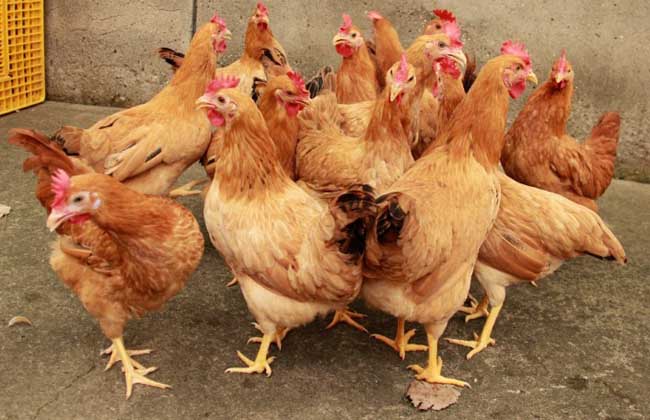
With the development of the layer farming industry, refined management has become a required course for poultry farms. Proper culled chicken management is one of the key means of improving layer farming efficiency. Timely culling of undesirable chickens saves feed, labor and space, while also making the flock uniform and consistent, reducing the risk of flock disease and improving chicken farming efficiency. Let us take a look at layer culling management techniques together below!
Cull Injured and Disabled Chickens
Before 20 weeks of age, the chickens' body shape and appearance should conform to the characteristics of this breed, and injured or disabled chickens should be culled. Chickens in the flock with blind eyes, crooked beaks, lameness, emaciation, twisted wings, bare tails and the like should be culled.
Cull Chickens with a Beautiful Appearance
At 250 days, cull chickens with yellow feet and beaks that look bright and beautiful on the outside. Within the same flock, individual production performance varies, and after laying has continued for some time, this difference becomes more obvious. At about 250 days of age, chickens with relatively complete and glossy feathers, unusually nimble and quick movement, red and rosy combs, and a beautiful appearance are often low-yielding layers, or even non-layers, consuming feed for nothing, and should be culled.
Cull Chickens Based on Droppings
Observe droppings in the chicken house at night or in the morning. Laying hens in production have soft and moist droppings, while non-laying chickens, due to low feed intake, slow digestion and atrophy of the digestive tract, have dry and hard droppings, and should be culled.
Cull Chickens That Have Stopped Laying
After 280 days of age, the flock has been laying for more than 5 months, and stopped-laying chickens often show pale, thin combs; such chickens must be resolutely culled. Due to long-term continuous laying, the pigment has faded and degenerated, and the yellow pigment in various parts (especially the legs and beak) gradually disappears and turns white. The more eggs laid, the more severe the fading. At this time, if the legs and beak of some chickens change from white to yellow and shiny, it also indicates they are stopped-laying chickens and should be culled.
Cull Chickens with a Large Abdomen
After 280 days of age, the flock often shows chickens walking like penguins; on palpation, the abdomen feels enlarged and hard (yolk peritonitis) or enlarged and soft like water (oviduct cyst). These chickens no longer lay eggs and should be culled.
Cull Chickens That Molt Early
After completing a laying period, laying hens generally molt from September to October each year. Low-yielding chickens begin molting as early as August, and the duration is long, with a long stoppage of laying, so they should be culled.
Cull Chickens That Lay Large Eggs
After the start of laying, some chickens often lay eggs as large as duck eggs; these chickens often lay only one egg every 3 days, and by the egg-to-feed ratio calculation they are already losing money with no profit, so they should be culled.
Cull Chickens That Do Not Lay Eggs
Non-laying chickens are mainly those that, due to disease or improper management, no longer lay eggs because the ovaries have been infected or for other reasons, and will not lay eggs in the future either. Such chickens should be culled as early as possible, and chickens laying soft-shelled or broken eggs should also be culled.
Cull Chickens with Ovarian Inflammation
In appearance, those laying hens that do not lay eggs because of ovarian inflammation show no symptoms in the first few months. After laying reaches its peak, that is, at 250 days, do not collect eggs in the morning; after 4 p.m., observe the laying situation, and mark those where 4 chickens produce fewer than 3 eggs, or 3 chickens produce fewer than 2 eggs. Then, for 5 consecutive days, at around 5 a.m., feel each chicken in these cages one by one to check whether there is an egg, and mark those without an egg. After 5 days, cull all those with more than 3 marks (such chickens have a laying rate not exceeding 60% and have no breeding value), and then repeat this once every other month.