Key Points of Chick Brooding Technology and Rearing Management Methods for Layer Chicks
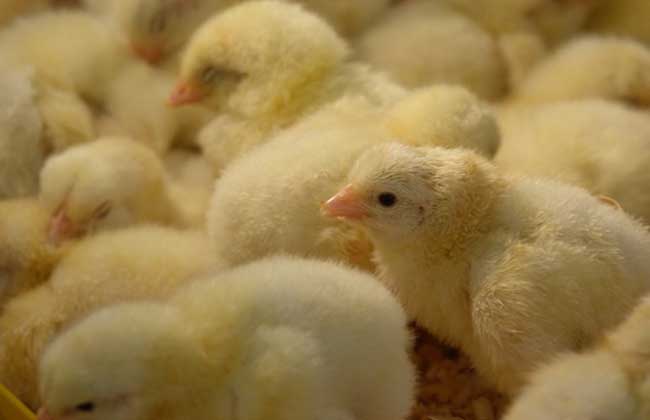
Laying hens differ from meat-type chickens. The main goal of raising laying hens is to improve egg quality and maintain or increase egg production, rather than improving meat quality. The quality of chick rearing directly affects the growth and development of pullets, the survival rate, the production performance during the laying period, the utilization value, and the completion of production goals. Therefore, brooding work must be done well. Let's take a look together at the brooding technology for layer chicks!
Selection of Newly Hatched Chicks
Choose breeder farms and hatcheries with a good reputation. Healthy chicks have a solid build, feel full and springy when held, are lively and alert, and have bright eyes with no discharge. The down is full and neat, with vivid pigmentation and moderate length. The yolk is well absorbed, the navel opening is cleanly and smoothly closed, the feathers near the vent opening are clean with no white droppings, and the body weight should be neither too large nor too small.
Appropriate Ambient Temperature
Appropriate temperature is the first condition determining the success or failure of brooding. If the temperature is low, chicks huddle together against the cold, yolk absorption is poor, and white diarrhea is easily triggered, or even death by crushing. If the temperature is too high, the normal metabolism of chicks is suppressed, appetite decreases, the constitution is weak, development is delayed, and feather pecking is easily triggered. At the start of brooding, the temperature should be 33°C-35°C, then lowered by 0.5°C per day after 5 days until reaching 24°C. The younger the chicks, the higher the demand for temperature stability. In the early stage, the temperature difference between day and night should be within 3°C, and it can be relaxed later, but should not exceed 5°C. For strong chicks, the temperature can be slightly lower, while for flocks with below-average weight and weak constitution, the temperature should be slightly raised.
Appropriate Ambient Humidity
In the early stage of brooding, because chicks breathe relatively quickly, if the air is too dry, it will affect the body's physiological activities and digestion and absorption. The ambient humidity should be controlled at around 70% to alleviate water loss and dehydration in chicks, avoid phenomena such as down loss and shrunken toes caused by dehydration, and thereby improve the survival rate. Humidity can be increased by sprinkling water on the floor, heating water to release steam, spray disinfection, and other measures. As the chicks grow, metabolism, exhaled water vapor, feces, and evaporation from water troughs will all increase humidity. High humidity makes it difficult to kill bacteria and coccidia, increasing the chance of chicks being infected with diseases. Therefore, in the later stage of brooding, humidity should be controlled at around 50%. To reduce humidity, methods such as ventilation and frequent manure cleaning should be adopted.
Proper Ventilation
Ventilation and heat preservation during the brooding period are a pair of contradictions. Especially in winter, it is necessary both to ventilate and to maintain an appropriate temperature. In the early stage of brooding, heat preservation should be the main focus, with ventilation also taken into account. When the house temperature is not high but ventilation is needed, it is generally arranged at noon or in the afternoon, and each ventilation period should not be too long, to avoid the temperature fluctuating up and down. Generally, skylights are used for this purpose.
Reasonable Rearing Density
The density of the flock should be appropriately adjusted according to the age of the chicks, rearing method, season, and different house structures. At the start of brooding, it is suitable to raise 40-50 birds per square meter of cage floor area. As the age increases, the density should gradually decrease. Weak chicks have poor constitution and cannot withstand crowding, so the density should be low. Density should also be reduced when the chicken house has poor ventilation.
Reasonable Light Control
In addition to ensuring that chicks can eat feed, light mainly stimulates the body's physiological development. As the age increases, the lighting principle during brooding is that light intensity must not be increased, and light duration should be gradually reduced and light intensity weakened. That is, from 0-3 days of age, 23-24 hours of light; from 4 days of age to 20 weeks of age, natural light; at 21 weeks of age, increase light to 13 hours per day; from 22 weeks of age, increase by 1 hour per week until daily light reaches 16 hours.
Scientific Rearing Management
When rearing chicks, first provide initial drinking water, then start feeding. Add glucose and electrolytic multivitamins to the initial drinking water to promote intestinal peristalsis, yolk absorption, excretion of meconium, and increase appetite to facilitate the start of feeding. Feeding should begin 3-4 hours after the initial drinking water, and the amount fed each time should be controlled so that it is finished within 20-30 minutes after feeding. Perform beak trimming in a timely manner, trimming 1/2 of the upper beak and 1/3 of the lower beak, so as not to affect feed intake and weight gain. Maintain reasonable density and implement an all-in, all-out rearing method. Do a good job of environmental sanitation and disinfect in a timely manner. Establish a scientific vaccination and medication prevention program.