What are the prevention and treatment methods for Newcastle disease in chickens?
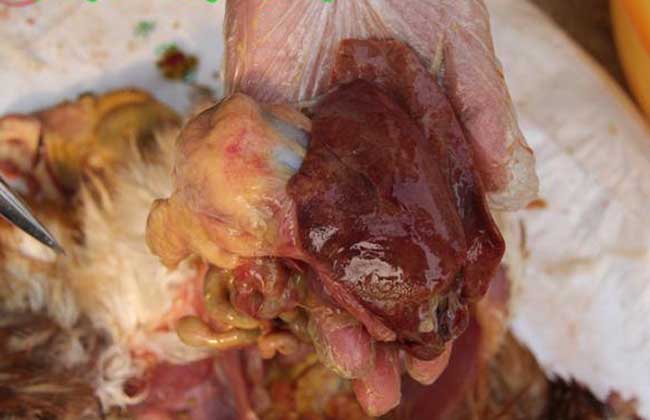
Newcastle disease in chickens is an acute septicemic infectious disease caused by a virus. It can occur in all four seasons, but is especially common in cold and variable-climate seasons. Chickens of all ages can be infected, with chickens aged 20 to 60 days being the most susceptible and having the highest mortality rate. Its main characteristics are respiratory difficulty, nervous system disorders, and hemorrhage and necrosis of mucous membranes and serous membranes. Let's take a look below at the prevention and treatment methods for Newcastle disease in chickens!
Epidemiological Characteristics of Newcastle Disease in Chickens
1. Newcastle disease in chickens can occur in all four seasons, but is most common in spring and autumn. The incidence rate also depends on the level of management in different seasons. If the chicken house has poor ventilation, high ammonia concentration, fluctuating temperatures, and excessive stocking density, the resistance of the flock will decline, and when a virulent Newcastle disease strain is present, the disease can break out.
2. When Newcastle disease spreads within a flock, most chickens are initially in the incubation period. Within 4 to 6 days, the mortality rate rises sharply, and most cases present as the acute form.
3. Due to the effect of vaccines, most cases currently present as atypical, sporadic, and mixed infections.
Clinical Symptoms of Newcastle Disease in Chickens
1. Peracute form: Mostly seen in the early stage of an outbreak, often with sudden death without characteristic symptoms, and more common in chicks.
2. Acute form: In the early stage of illness, the chicken's body feels hot, with listlessness, decreased appetite, and increased thirst. Laying hens show reduced egg production or stop laying, with more soft-shelled eggs and lighter eggshell color, sometimes with deformed eggs. Later, coughing, difficulty breathing, open-mouth and neck-stretched breathing, and frequent strange calls appear. The crop is distended, and when a sick chicken is held upside down, sour-smelling liquid flows from the mouth. Sick chickens have diarrhea, passing yellow-white or yellow-green watery droppings, sometimes egg-white-like droppings mixed with green. Some show head and neck tremors.
3. Chronic form: Characterized by paralyzed chickens, with the head and neck twisted backward or to one side, or soft neck being common, often accompanied by diarrhea, passing yellow-white or yellow-green watery droppings, sometimes passing egg-white-like droppings mixed with green.
Treatment Methods for Newcastle Disease in Chickens
1. The first disease stage: Mostly occurs in chicks at 3 to 4 days of age. In the early stage, head tremors and partial paralysis appear, and after 4 to 5 days, chickens with twisted necks and circling can be seen. The typical lesion is bleeding points on the small intestinal mucosa at 1.5 cm behind the yolk stalk, which is of great significance for early diagnosis of Newcastle disease. Chickens showing symptoms should be promptly gathered and burned, and the flock should be given 2 times the dose of live Newcastle disease vaccine by nasal drip and eye drop, while also being vaccinated with Newcastle disease oil vaccine. After vaccination, golden polysaccharide (Astragalus polysaccharide) can be given in drinking water to promote immune system development and induce antibody production.
2. The second disease stage: Mostly occurs at 19 to 21 days of age. At this time, maternal antibodies in chickens disappear, and the peripheral antibody level produced after vaccination is still relatively low, forming an immune blank period and leaving them in a susceptible state. Therefore, as long as the chicken farm is in a high-incidence area for Newcastle disease, with frequent personnel movement and poor disinfection awareness, the flock is highly likely to become ill, with typical clinical symptoms, high mortality, and difficulty controlling it. Once the disease occurs, emergency vaccination should be carried out, but emergency vaccination with Newcastle disease strain IV or clone 30 vaccine has poor efficacy.
(1) Option 1: If necropsy shows bleeding of the proventricular papillae and severe bleeding of lymphoid follicles at 3 locations in the intestine (descending duodenum, 2 cm below the yolk stalk, and the beginning of the ileum), clone 88 vaccine produced by the German company Lohmann or Israeli vH vaccine can be selected, given at 3 times the dose by eye drop or injection, and immunity can be produced after 24 hours.
(2) Option 2: Newwei Ling at 3 times the dose + Newcastle disease nucleic acid liquid A at 1 dose + normal saline, mixed and injected intramuscularly at 0.15 ml per chicken, followed 24 hours later by Newcastle disease nucleic acid liquid B in drinking water. After 3 hours, Astragalus polysaccharide + florfenicol can be given in drinking water, and multivitamins, electrolytes, probiotics, etc. can be mixed into the feed to improve the body's immunity and prevent secondary infections.
3. The third disease stage: Mostly occurs after 30 days of age. It is often atypical and involves secondary infections. Chickens show snoring, coughing, paralysis, soft neck, and green droppings, with a relatively low casualty rate. Interferon can be given at 3 times the dose in drinking water for 2 consecutive days, while also using Gankang (extracts of Coptis chinensis, Scutellaria baicalensis, Phellodendron amurense, etc.) at 100 grams per bag diluted in 100 kg of water, given for concentrated drinking for 4 consecutive days. When mixed infections occur, Chuanzhi granules (a traditional Chinese medicine preparation of Datura metel, Ephedra sinica, bitter apricot seed, etc.) and florfenicol can be used in combination.
Preventive Measures for Newcastle Disease in Chickens
1. Environmental hygiene: Strengthen feeding management, reduce stocking density, carry out air disinfection inside the house, and focus on improving the ventilation conditions of the chicken house.
2. Vaccine immunization
(1) In general epidemic areas, the following immunization program can be used: at 7 days of age, use Newcastle disease strain IV vaccine + infectious bronchitis live vaccine (H) by eye drop and nasal drip, while also injecting the combined Newcastle disease-infectious bronchitis oil vaccine; at 23 days of age, use Newcastle disease strain IV vaccine or clone 30 vaccine at 3 times the dose in drinking water; at 33 days of age, use Newcastle disease clone 30 vaccine or strain IV vaccine at 4 times the dose in drinking water.
(2) In areas with severe Newcastle disease contamination, at 1 day of age use the combined Newcastle disease and infectious bronchitis attenuated vaccine by spray or nasal drip and eye drop; at 8-10 days of age use Newcastle disease attenuated vaccine in drinking water, and inject the specified dose of Newcastle disease oil vaccine subcutaneously in the neck; at 14 days of age use infectious bursal disease attenuated vaccine in drinking water; at 20 to 25 days of age use Newcastle disease attenuated vaccine in drinking water.
(3) During vaccine immunization, operations must be careful. For eye drop and nasal drip, make sure the vaccine is inhaled before releasing the chicken. The vaccine used must be diluted just before use, must not be exposed to heat, and must be used up within 30 minutes. Do not use antiviral drugs or heat-clearing and detoxifying Chinese medicines within 1 day before and after using the vaccine, and do not use antibiotics, electrolytic multivitamins, or vitamin C within 3 hours before and after using the vaccine.
3. Strict disinfection
(1) Disinfection pools must be set up at both the entrance of the farm and the entrance of the chicken house. First place some straw or grass mats in the disinfection pool, then pour in the disinfectant solution. The disinfectant can be 2% to 3% sodium hydroxide or 5% lysol, and the amount poured should be enough to soak the straw. Replace the disinfectant solution once daily at a fixed time.
(2) Disinfect the chicken house once a week, and also disinfect the surroundings of the chicken house and various farming equipment. The disinfectant can be 2% sodium hydroxide, 3% to 5% lysol, or 0.2% to 0.5% peracetic acid. However, do not disinfect with chickens present within at least 1 day before and after immunization.
(3) The chicken house must be strictly disinfected. According to regulations, it is best to leave the house empty for 2 weeks before bringing in chicks. If urgently needed, after fumigation disinfection, open the doors and windows for ventilation for 24 hours, and use it only after there is no irritating odor.