How to prevent and treat infectious bursal disease in chickens? Introduction to practical methods
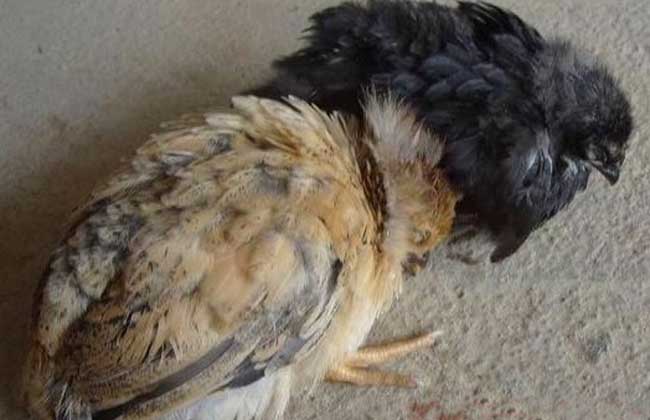
Infectious bursal disease in chickens, also known as Gumboro disease, is an acute, highly contagious disease caused by the infectious bursal disease virus. Because of its sudden onset, short course, high mortality rate, and its ability to cause immunosuppression in chickens, it remains one of the major infectious diseases in the poultry industry. Let's take a look at the prevention and treatment methods for infectious bursal disease in chickens.
Epidemiological characteristics of infectious bursal disease in chickens
Under natural conditions, infectious bursal disease in chickens only infects chickens. Chickens of all breeds can be infected, but among different breeds, broilers are more susceptible than laying hens. It occurs only in young chickens from 2 weeks of age to before the start of laying, with the peak incidence at 3 to 7 weeks of age. The virus is mainly excreted with the feces of diseased chickens, contaminating feed, drinking water, and the environment, causing chickens in the same flock to become infected through the digestive tract, respiratory tract, and conjunctiva of the eyes. Various equipment, personnel, and insects can also carry the virus and spread it, and it can also be transmitted through eggs.
Clinical symptoms of infectious bursal disease in chickens
A flock of chicks suddenly develops the disease in large numbers. Within 2 to 3 days it can affect 60% to 70% of the chickens. Deaths peak 3 to 4 days after onset, and stop after 7 to 8 days. At the beginning of the disease, the chickens are depressed, eat less, and drink more. Some peck at their own vents and pass white watery diarrhea. Severe cases become dehydrated, lie on the ground unable to stand, become extremely weak, and finally die. Necropsy shows the bursa of Fabricius is yellow, gelatinous, and edematous, hard in texture, with the mucosa covered by a cream-colored fibrinous exudate. Sometimes the bursal mucosa is severely inflamed, hemorrhagic, necrotic, and atrophied. In addition, dead chickens show dehydration, and the muscles of the legs and chest often have hemorrhages, appearing dark red. The kidneys are swollen, the renal tubules and ureters are filled with white urates, and there is mucosal hemorrhage in the spleen and at the junction of the proventriculus and gizzard.
Preventive measures for infectious bursal disease in chickens
1. Environmental disinfection: Strengthen management, do a good job of hygiene and disinfection, and prevent the disease from being brought into the chicken farm from outside. Once this disease occurs, promptly handle the diseased chickens and carry out thorough disinfection. Before introducing chickens, fumigate the chicken house with Yan Ke fumigant. The disinfection pool at the entrance should use a compound phenol solution, replaced every 2 to 3 weeks. Qingjing Nongchang didecyldimethylammonium bromide can also be used, replaced once a week.
2. Vaccination: Vaccination is an effective measure to prevent infectious bursal disease in chickens. At present, the vaccines approved for production in China include attenuated vaccines and inactivated vaccines. Imported ones include the intermediate-virulence live vaccine Paist D78 and others.
(1) Low-virulence strain attenuated live vaccine: Used for early immunization of chicks without maternal antibodies. The immune effect is relatively poor in chickens with maternal antibodies. It can be administered by eye drop, nasal drop, intramuscular injection, or drinking water immunization.
(2) Intermediate-virulence strain attenuated live vaccine: Used for various chickens with maternal antibodies. It can be administered by eye drop, oral administration, or injection. For drinking water immunization, the dose of the D78 vaccine does not need to be doubled.
(3) Inactivated vaccine: When used, it should be paired with a live infectious bursal disease vaccine for chickens. The immune effect is affected by factors such as the immunization method, immunization time, vaccine selection, and maternal antibodies, among which maternal antibodies are a very important factor. Chicken farms with the conditions should develop a corresponding immunization program based on the results of determining maternal antibody levels.
Treatment methods for infectious bursal disease in chickens
1. Infectious bursal disease in chickens hyperimmune serum injection: For chickens 3 to 7 weeks of age, inject 0.4 ml intramuscularly per bird. For larger chickens, the dose may be increased as appropriate. For adult chickens, inject 0.6 ml. A single injection is sufficient, with a marked therapeutic effect.
2. Infectious bursal disease in chickens hyperimmune yolk injection: Inject 1 ml per kilogram of body weight intramuscularly, with a good therapeutic effect.
3. Compound ethisterone: For a 0.5 kg chicken, 1 tablet per day; for a 1 kg chicken, 2 tablets per day. Administer orally for 2 to 3 consecutive days.
4. Testosterone propionate: For chickens 3 to 7 weeks of age, inject 5 mg intramuscularly per bird, only once.
5. Suxiao Guan Nang San: 0.25 g per kilogram of body weight, mixed into the feed or taken directly orally. It takes effect 8 hours after administration, and is fed for 3 consecutive days. The cure rate is relatively high.
6. Moroxydine hydrochloride: 8 tablets of moroxydine hydrochloride (0.1 g per tablet), mixed with 1 kg of feed; 15 g of Banlangen granules, dissolved in drinking water. To be consumed over half a day. The above is the daily amount for 20 to 25 chickens, and 3 days constitute one course of treatment.
7. Traditional Chinese medicine treatment: 200 g dandelion, 200 g Isatis leaf, 200 g Isatis root, 100 g honeysuckle, 100 g Scutellaria baicalensis, 100 g Phellodendron amurense, 100 g licorice, 50 g Agastache rugosa, 50 g raw gypsum. Decoct twice with water, combine the decoctions to obtain 3000 to 5000 ml. This is the daily amount for 300 to 500 chickens, one dose per day, 5 to 10 ml per chicken per day, administered in 4 divided doses by drenching, for 3 to 4 consecutive days.