What are the prevention and treatment methods for chicken colibacillosis?
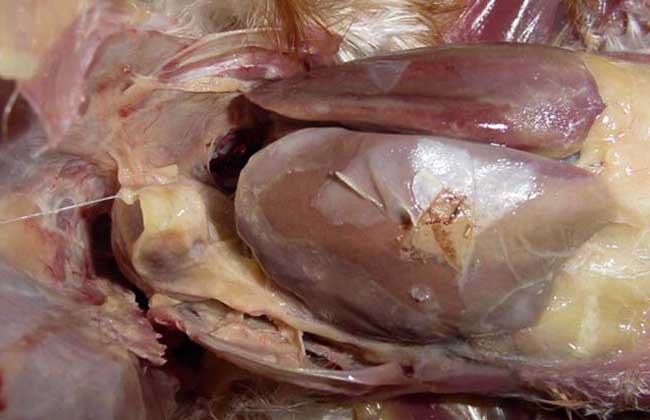
Colibacillosis is a group of infectious diseases caused by pathogenic Escherichia coli. Symptoms include death of embryos and young chicks, septicemia, airsacculitis, pericarditis, salpingitis, enteritis, peritonitis and colibacillary granuloma, etc. It often occurs as a mixed infection with mycoplasmosis and is often secondary to other infectious diseases. Treatment is extremely difficult. Let's take a look at the prevention and treatment methods for chicken colibacillosis below!
Symptoms of Chicken Colibacillosis
Sick chickens are listless and depressed, reduce feed intake or stop eating, stand apart or crouch motionless, have cyanotic-purple combs and wattles, grayish-white eye irises, reduced vision or blindness, ruffled feathers, feathers around the vent stuck with feces, green or yellowish-white watery droppings, crouching, inability to stand, unwillingness to move or lameness, swollen joints, enlarged liver, intestinal mucosal bleeding and ulcers, inflamed pericardium, and abdominal cavity accumulated with ascites and yolk.
Causes of Chicken Colibacillosis
The pathogen of chicken colibacillosis is Escherichia coli of the genus Escherichia in the family Enterobacteriaceae. When the resistance of chickens is reduced, such as from overheating, excessive cold, overcrowding, malnutrition and other disease factors (Newcastle disease, avian influenza, infectious bronchitis, pasteurellosis, etc.), the barrier function of the skin and mucous membranes can be reduced, and pathogenic Escherichia coli multiply in large numbers, thereby causing the disease. The bacteria excreted by sick chickens contaminate the eggshell through feces, infect chicken embryos, and cause embryo death and disease in chicks. Feces contaminate the environment, and through drinking water, feed and air, the infection is transmitted to healthy chicks.
Prevention and Treatment of Chicken Colibacillosis
1. Intramuscular injection of American Reps Coli Kang: non-immunized young poultry can be prevented and treated with high-immune Escherichia coli serum, inject 1 ml per bird for those under 15 days of age, inject 2 ml per bird for those over 15 days of age, and repeat once every other day; for adult poultry, 0.5 ml/kg body weight, once/day, and for severe cases use 2 to 3 times consecutively.
2. Oxytetracycline 100-500 grams. Usage: mixed feeding, use 100-500 grams per 100 kg of feed, for 7 consecutive days. Furazolidone can also be used at 20-40 grams per 100 kg of feed, or norfloxacin at 5-20 per 100 kg of feed, fed for 5-7 days.
3. Avian Bactericide 750 grams. Usage: mixed feeding, mix into 100 kg of feed for free feeding, feed continuously for 2-3 days.
Prevention of Chicken Colibacillosis
1. Select good-quality, healthy chicks. This is a foundation for ensuring fewer cases of colibacillosis later. Some farmers choose cheaper ones because of differences in chick prices, not realizing that this is picking up sesame seeds while losing the watermelon: they spend less on chicks but use more on medicine.
2. Escherichia coli is a conditional pathogen, so good feeding management is the key to ensuring fewer cases of this disease. For example, temperature, humidity, ventilation, and manure handling in the coop are all closely related to the occurrence of colibacillosis.
3. Appropriate drug prevention. Appropriate drug prevention is also an indispensable measure to prevent the occurrence of colibacillosis. The choice of drugs can be made according to the different ages of the chickens and by following the recommendations of veterinary experts; they must not be abused. Because preventive medication and therapeutic medication are different, avoid the occurrence of drug resistance as much as possible.