What are the prospects for free-range chicken farming? 2016 market analysis
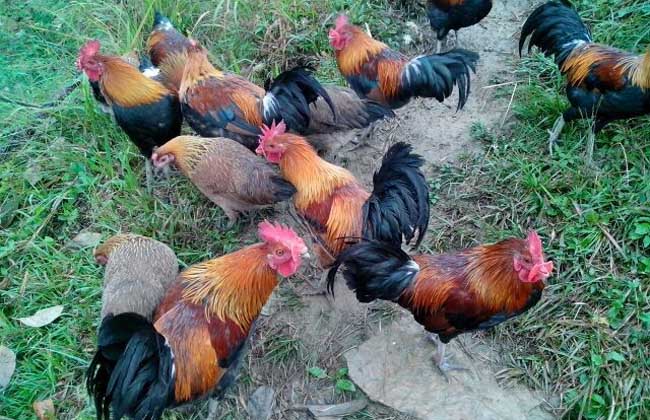
Free-range chicken is also called native chicken, stupid chicken, etc., and is different from caged broiler chickens. Among them, "hillside free-range native chicken" is the best, and it is a traditional breeding variety in our country. A few years ago, due to the native chicken's own weaknesses such as slow growth, small size, and low egg production, it was gradually replaced by superior foreign breeds, and the number raised was greatly reduced. However, in recent years, with changes in people's consumption levels and consumption concepts, the consumption of native chicken has gradually increased, and it has become a new hot spot in rural breeding. Below let us take a look at the prospects for native chicken farming in 2016.
Prospects for native chicken sales
Genuine native chicken is quite popular in the market. Because broiler chickens lack exercise during the breeding process, their meat is soft, and during feeding, antibiotics, hormones, and other drugs are added to the feed, so chicken products contain drug residues, and people will be contaminated by drug residues after eating them. With changes in people's consumption concepts and tastes, the consumption of broiler chickens will gradually decrease. Native chickens, however, are mainly raised in a free-range way during the breeding process, feeding on various grains in the natural environment, with a large amount of exercise, no pollution, tender meat, good taste, and rich nutrition, and are deeply welcomed by people, with products in short supply in the market.
Native chicken farming costs
The cost of raising native chickens is very low, and one native chicken requires only about 4 yuan in costs per year. The main reasons are, first, low investment in chicks. When rural farmers buy chicks, they mainly use the credit method. In spring they "buy on credit" the chicks, and pay when the native chickens are fully grown in autumn, and the price of each chick is only about 1.5 yuan. The investment in chicks is small, and every household can raise them. Second, low feed consumption. Chickens are mostly raised in a free-range way. In spring, summer, and autumn, the flock mainly forages for insects and grass seeds in fields and mountain forests, commonly known in rural areas as "hunting in the wild," and farmers only need to feed a small amount of concentrated feed at night. Compared with raising broiler chickens, this can save more than 2/3 of the feed, greatly reducing feeding costs.
Native chicken farming profits
Income from native chickens is fairly considerable. At present, the market price of native chicken is 14 yuan/kg, and 1 chicken can bring in 18 yuan. After deducting costs, one chicken yields a net profit of 14 yuan. If one farming household raises 200 chickens a year, without affecting other production, it can obtain a net income of 2,800 yuan. At the same time, because native chicken eggs are rich in nutrition, taste good, and are pollution-free, they are also very popular. They sell for 1 yuan each on the market. Calculated at 150 eggs per chicken per year, this can bring in another 150 yuan.
Note: In the process of raising native chickens, attention should be paid to the prevention and treatment of chicken diseases, especially the prevention of Newcastle disease. Newcastle disease is a highly virulent infectious disease that seriously harms chicken flocks, commonly known in rural areas as "chicken plague." After native chickens are infected, they often die without any obvious symptoms, with a mortality rate of more than 90%. Prevention is the only way to control Newcastle disease in chickens. Generally, at 7 days of age, use Newcastle disease strain II vaccine for eye dropping and nasal dripping; at 28-30 days of age, inject strain I vaccine intramuscularly; afterward, inject strain I vaccine intramuscularly once every six months. This can significantly reduce the incidence of Newcastle disease, reduce losses, and improve breeding benefits.