How good is the turkey farming prospect? Understanding it in one article
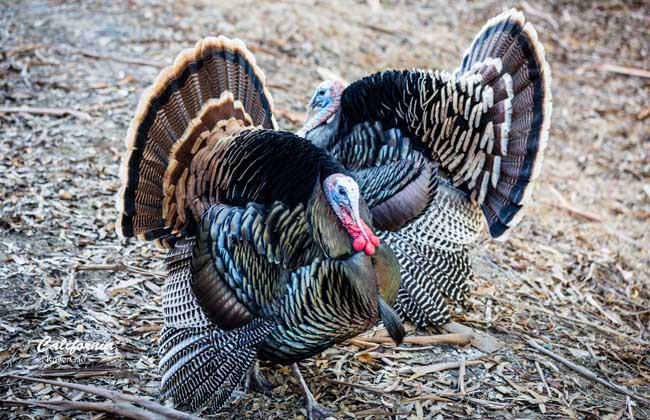
The turkey is also known as the tu shou ji, seven-faced chicken, seven-faced bird, etc. It originated in the United States and Mexico, was introduced to Europe at the end of the 15th century, and was introduced to China even later. It has farming characteristics such as a large body, fast growth, high meat yield, strong reproductive capacity, easy management, and high benefits, and has very high farming prospects. Let us take a look together below!
The economic value of turkeys
Turkey meat is tender and delicious, with a good taste. The protein content of turkey meat is 20% higher than that of other poultry, while the fat content is 21% lower, and the cholesterol content is low. It mainly eats grass, and its meat is fresh and tender, without gamey odor or bad smell, and without drug residues. It tastes mellow and delicious, suitable for all ages, and can both adapt to high-end dining tables and satisfy ordinary families.
The market prospect of turkeys
Turkeys are very popular abroad, and large-scale factory farming has long been carried out. Although China has not introduced them for long, because turkeys grow fast, are large, have tender and delicious meat, are rich in nutrition, eat grass and save grain, they have been included in the “National Spark” poverty-alleviation-through-development project, and the development prospect is relatively good.
The farming benefits of turkeys
1. Large body and fast growth: Under normal circumstances, at 140 days heavy-type turkey males can reach 16 kg to 20 kg, and females can reach 9 kg to 15 kg. Medium-type turkey males can reach 13 kg to 15 kg, and females can reach 8 kg to 10 kg. Light-type turkey males can reach 10 kg to 12 kg, and females can reach 5 kg to 8 kg.
2. High meat yield: Turkeys have well-developed breast meat and leg meat, accounting for more than 40% of live weight, with a live slaughter rate of 64%, and a carcass slaughter rate of more than 85%. Turkeys have strong reproductive capacity. With artificial incubation, each turkey can produce 180 eggs per year, and with natural incubation it can produce 80 to 100 eggs per year, with both the fertilization rate and hatching rate above 90%.
3. Strong reproductive capacity: Turkeys generally begin laying eggs after growing and developing to 6 to 7 months of age. After laying 15 to 25 eggs, they begin to brood, and the incubation period is 26 to 28 days. About 10 days after the chicks hatch, they begin laying eggs again. When 15 to 25 eggs have been laid, they incubate again, and production repeats in cycles continuously. If artificial incubation is used and the hens are not allowed to brood, they can continue laying eggs.
Precautions for turkeys
1. Pay attention to the quality of seedlings: They must be purchased from professional turkey breeding farms, because their breed purity, epidemic prevention, and breeding technology are correspondingly complete (you can check whether they have a “Breeding Livestock and Poultry Production and Operation License”).
2. Pay attention to breed selection: The choice of turkey breed is directly related to the success or failure of the turkey farming industry. At present, the turkey breeds introduced and raised in China mainly include the American heavy-type Nicholas turkey (16 kg); the Canadian medium-type Hybrid turkey (14 kg). These two kinds of turkeys have large and clumsy bodies, and natural mating is difficult, so artificial insemination is mostly used, and they are suitable for factory farming or raising by scientific research units. The light-type Beltsville turkey can mate naturally and hatch in all four seasons, and its fertilization rate, hatching rate, and survival rate are all above 90%. Therefore, beginners should first raise light-type turkeys.
3. Pay attention to the age in months for seed selection: Introducers should preferably buy chicks and young chickens, and should not buy old chickens that are about to be culled or have already been culled. The useful life of a hen is only two years.