What is the best way to raise chicks? A detailed explanation of feeding methods and management points
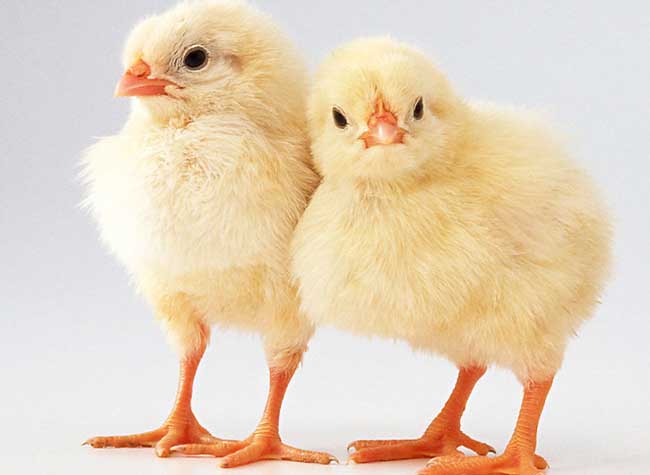
Everyone has their own favorite pets, such as cats, dogs, fish, rabbits, hamsters, and so on. As children, you must have come into contact with a kind of bird, and that is the soft-feathered chick. Chicks are cute animals. If you have not been around chicks for a long time, why not take a look at how to raise chicks? I believe you will become interested in them.
What is the best way to raise chicks
1. Please prepare a cardboard box (such as a milk carton; personally, I think a Telunsu milk carton is better). Use scissors or a fruit knife to poke at least five holes in the cardboard box for ventilation, so that when the chicks are in the box, you can put the lid on without suffocating them.
2. Please lay two layers of newspaper (used newspaper is fine) inside the box. To make sure the chicks' droppings do not leak through, choose thick newspaper. Once the newspaper is laid, now use the toilet paper we commonly use. Tear off at least eight sheets from the toilet paper, and after tearing, it forms one long strip. Then observe the toilet paper carefully: it is two-ply, so fold that long strip of toilet paper into two layers, which makes it two strips and also lighter and thinner.
3. Use your hands to tear the light, thin paper. Do not try to tear it perfectly; tear the paper into irregular shapes, and the more pieces the better. This is because it keeps the chicks warmer. After tearing, put them into the box and spread them out.
4. Note! Because chicks grow very quickly, the box will be replaced at any time in the "chick food" section.
How to select chicks
1. Correct choice: the chick is lively and jumpy, likes to snatch others' food, and likes to fly outward. It also especially loves to chirp. When you put it in your palm and then put food beside it, it will grab the food without hesitation, rather than, like other chicks, closing its eyes longing for the warmth of your palm.
2. Wrong choice: "The chick is very quiet and very well-behaved, and when you put it in your hand it will close its eyes tightly. It also stands dumbly in the flock like most chicks. This kind of chick is not lively and may get sick later.
Food choices for chicks
1. First stage: please feed it millet. The specific method is as follows: prepare some millet and a small bowl. Put warm water in the bowl, then put the millet into the bowl and soak it for thirty minutes. Once the millet is soaked, the next thing is how to measure the amount. Pour off three-quarters of the water and leave a little. Remember not to pour out the millet; just take out a little. Chicks need water, so you cannot take away all the water. Just leave a little water for it to drink. Newly bought chicks all like to drink water, but do not let it drink too much, or it will have diarrhea.
2. Second stage: after a period of raising, the chick is no longer as plump, chubby, and round as before. At this time we can feed it small bread, cabbage, and rice. The small bread just needs to be torn by hand, about the size of a little fingernail, or smaller. Cabbage can be washed clean and torn to feed; only feed a little each day. When tearing the cabbage, note that it must be torn into small pieces, otherwise the chick cannot swallow it and will choke to death. Please feed cooked rice or raw rice. Do not feed too much cooked rice; just feed it until its belly is full each day (if it is full, the area under its neck will bulge and feel hard). Do not feed it insects that are too large.
3. Third stage: the chick is gradually growing up and can be fed many things. Do not feed millet anymore; it has already grown up. Feed more rice and bread, or you can chop cabbage into fine pieces with a kitchen knife, then mix it with cornmeal and add a little water, and a delicious mixed dish is made. Rice also has special methods; use your own creativity. Do not feed it insects. I have a friend who said she fed a chick a qianchuanzi (centipede) and it poisoned the chick to death.
4. Fourth stage: it can be fed anything, and its feathers have already grown in very fully.
How to raise chicks so they do not get sick
Chicks refer to chickens from 1-6 weeks of age. The chick stage is the most critical stage of the entire growth period. In order for chicks to grow and develop normally, the key is to reduce deaths and increase the survival rate. So how should chicks at this special stage be raised so that they do not get sick or get sick less often?
1. First, they must have a good body in order to resist disease. For chicks' first feeding, the feed is required to be fresh, with moderate particle size, easy to peck, nutritious, and easy to digest. Commonly used first-feed feeds include crushed corn kernels, crushed rice, and millet. If conditions permit, complete compound feed can be used. Feeding chicks should be done by adding frequently and feeding little at a time, keeping the room quiet. The last feeding at night must be a full and sufficient feeding, 1/3 more than other feedings, and the eating time should be appropriately extended. This way the chicks grow better.
2. Maintaining suitable raising density is very important. If the density is too high, the carbon dioxide concentration in the chicken house increases, and the feces excreted by the chickens increase, causing excessive humidity, making the bedding release a large amount of harmful gases and affecting the sanitation of the house environment; moreover, if the density is too high, the activities of the chicks are easily restricted, and both drinking water and feeding are affected, affecting the chickens' growth and development and making feather pecking and other diseases more likely. If the density is too low, it wastes equipment, energy, and manpower, and increases raising costs. Generally, the raising density for chicks is 30 birds per square meter.
3. Other management of chicks also cannot be careless. Temperature and humidity should be kept suitable. In particular, newly hatched chicks have low body temperature, so keeping a high temperature of around 33°C is very necessary, while humidity that is too high or too low will have adverse effects on the flock. Ventilation and disinfection are important purification measures for the chicken-raising environment. Chicks have low resistance, so creating a good growth environment is an external factor for getting fewer diseases. Lighting must also be operated reasonably according to scientific regulations.
Precautions for raising chicks
1. Watch out for pullorum disease. Pullorum disease is an infectious disease caused by Salmonella pullorum. Sick chicks are listless, with their heads drawn in and wings drooping, and they pass white paste-like watery droppings. The anus is often stuck shut by feces, and they make "zhi, zhi" sounds when defecating. Once such a condition is found, please isolate the sick chicken, because pullorum disease is contagious and can even spread to humans. The things needed for treatment are generally unavailable, and it is very difficult to succeed, so......
2. Be careful not to feed chicks that are too small large insects with many legs.
3. Be careful: you can let the chicks out to run on the lawn and bask in the sun, letting them eat some small ants, grass, and the like. Absolutely do not choose a lawn that has been sprayed with pesticides, or they will die.