Use these 3 soils for growing flowers in summer, loose and fertile, no need to fertilize for two months
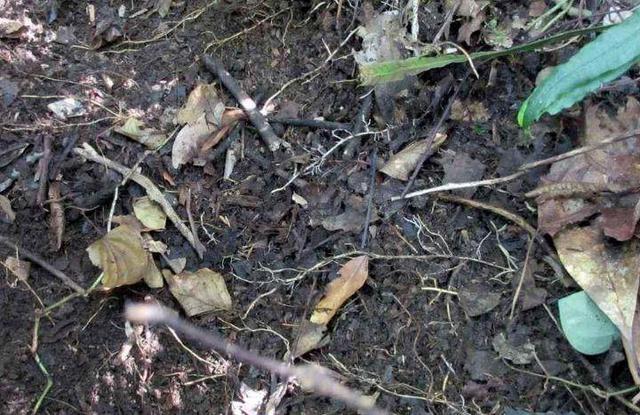
Many flower lovers know that growing flowers is all about "three parts fertilizer, seven parts water", so everyone puts the focus of growing flowers on fertilizing and watering. In fact, there is another key point that cannot be ignored, and that is soil. Whether the soil for flowers is good or bad and whether it has nutrients is directly related to the growth of the plant's root system. When growing flowers, you must grow the roots well. Only when the root system grows well will the potted plant be beautiful!
There are many kinds of potting soil for flowers, and each kind of flower has a different growth habit. Therefore, it is best not to use the so-called special flower soil sold on the market. Wouldn't it be better to mix it yourself? Next, let me share with you which kind of soil is best for growing flowers in the hot summer. Remember to save it~
1. Use leaf mold to grow flowers
Leaf mold, I believe many flower lovers know its benefits:
Because leaf mold is made by composting fallen leaves, dried grass and so on, it has a high humus content, strong water retention and good permeability, so it can be said to be the best choice for flower potting soil. There are also particular ways to use leaf mold. When growing flowers, it needs to be mixed with ordinary garden soil at a ratio of 1:1. This kind of nutrient soil promotes plant rooting and can ensure normal growth of flowers. Leaf mold can be collected by yourself in the woods, or you can make it yourself.
How do you make leaf mold yourself?
When autumn comes, go to the wild to collect some broad leaves or pine needles, weeds and so on, then pile them in a soil pit. When stacking, first put a layer of leaves, then a layer of garden soil, and after repeating this for several layers, pour a small amount of water, and finally cover the top with another layer of garden soil. Wait until the summer of the next year, open the soil pit, turn over and break up the pile, then pile it up again as before. Generally, it can be used by autumn. It takes a bit of time, so be patient!
2. Use peat soil to grow flowers
Peat soil refers to soil formed by the accumulation of large amounts of incompletely decomposed plant residues from aquatic vegetation under oxygen-deficient conditions, forming a peat layer. This kind of soil contains plant residues that have not been completely decomposed, humus and some minerals. In particular, a large number of microorganisms can promote the activity of flower potting soil.
In addition, peat soil also contains a small amount of phosphorus and potassium, both of which are substances necessary for plant growth. A lack of them will hinder photosynthesis and transpiration in plant leaves, and then cause yellow leaves and fallen flowers. So when growing flowers in the future, remember to add some peat soil. Peat soil can be used together with the leaf mold above, and both can be mixed together at a 1 to 1 ratio.
3. Use mountain soil to grow flowers
Mountain soil refers to soil formed by the long-term accumulation of fallen leaves from mountain trees, and it can be said to be a natural humus-containing soil. Because mountain soil is loose in texture, contains more humus and is basically acidic, it is best used for growing acid-loving flowers. For example, our common camellia, orchid, clivia, gardenia and rhododendron, and so on. One part mountain soil mixed with two parts ordinary garden soil makes a potting soil that is both loose and nutritious, very helpful for rooting and promoting flowers.
That is all for sharing knowledge about soil for growing flowers. Thank you for reading!
Remember to like and share~