Detailed Explanation of Chicken Coccidiosis Prevention and Treatment Methods, Poultry Farmers Must Master
Chicken coccidiosis is a common and extremely harmful parasitic disease in chickens. It is an acute epidemic parasitic disease caused by one or more species of coccidia, and the economic losses it causes are quite staggering. The morbidity and mortality rates of chicks aged 10 to 30 days or young chickens aged 35 to 60 days can reach as high as 80%. Let us take a look at the prevention and treatment methods for chicken coccidiosis below!
Causes of Chicken Coccidiosis
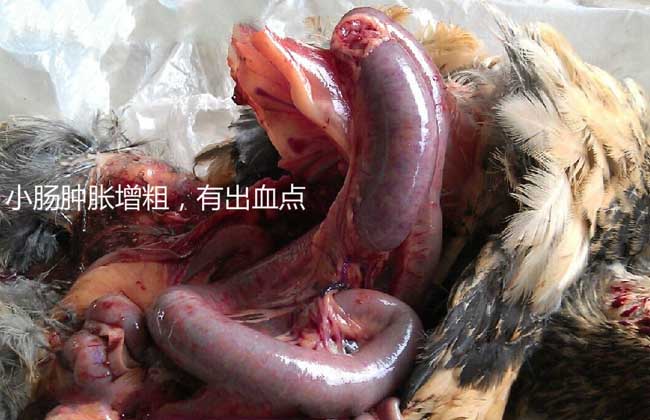
Different species of coccidia parasitize different sites in the chicken intestine, and their pathogenicity also differs. Eimeria tenella parasitizes the ceca and has the strongest pathogenicity. Eimeria necatrix parasitizes the middle third of the small intestine and has strong pathogenicity. Eimeria maxima parasitizes the small intestine, mainly the middle section, and has a certain pathogenic effect. Eimeria acervulina parasitizes the duodenum and the anterior section of the small intestine, has a certain pathogenic effect, and in severe infections causes lesions such as thickening of the intestinal wall and intestinal hemorrhage. Eimeria mitis and Eimeria hagani parasitize the anterior section of the small intestine, have relatively low pathogenicity, and may cause catarrhal inflammation of the intestinal mucosa. Eimeria praecox parasitizes the anterior third of the small intestine, has low pathogenicity, and generally causes no visible lesions. Eimeria brunetti parasitizes the posterior section of the small intestine and the base of the ceca, has a certain pathogenicity, and can cause petechial hemorrhage and catarrhal inflammation in the intestine. Eimeria mivati parasitizes the small intestine, rectum and ceca, has a certain pathogenicity; in mild infections, single plaques containing oocysts appear on the serosa and mucosa of the intestine, and in severe infections, scattered or concentrated spots may appear.
Symptoms of Chicken Coccidiosis
Sick chickens are depressed, with ruffled feathers and the head drawn in, have reduced appetite, the crop is filled with fluid, the comb and visible mucous membranes are anemic and pale, and they gradually become emaciated. Sick chickens often pass red, carrot-like droppings. If infected with Eimeria tenella, the droppings are coffee-colored at first and later become completely bloody. If measures are not taken promptly, the mortality rate can reach over 50%. If multiple coccidia are involved in a mixed infection, the droppings contain blood and a large amount of shed intestinal mucosa.
Prevention of Chicken Coccidiosis
1. Robenidine: For prevention, mix into feed at a concentration of 30 to 33 mg/kg and use continuously for 1 to 2 months. For treatment, mix into feed at 60 to 66 mg/kg for 3 to 7 days, then switch to the preventive dose for control.
2. Amprolium: It can be administered in feed or drinking water. The preventive concentration in feed is 100 to 125 mg/kg, used continuously for 2 to 4 weeks. The treatment concentration is 250 mg/kg, used continuously for 1 to 2 weeks, then halved and used continuously for 2 to 4 weeks. During the use of this drug, the vitamin B1 content per kg of feed should be controlled so as not to exceed 10 mg, in order to avoid reducing drug efficacy.
3. Nitromide (Zoalene): The preventive concentration in feed is 125 mg/kg, and the treatment concentration is 250 to 300 mg/kg, used continuously for 3 to 5 days.
4. Monensin: For prevention, mix into feed at a concentration of 80 to 125 mg/kg and use continuously.
5. Salinomycin (coccidiostat powder, Sacox): For prevention, mix into feed at a concentration of 60 to 70 mg/kg and use continuously.
6. Diclazuril: For prevention, mix into feed at a concentration of 1 PPM and use continuously.
7. Maduramicin (anticoccidial king, Duqiu, Jiafu): For prevention, mix into feed at a concentration of 5 to 6 mg/kg and use continuously.
8. Nicarbazin: The preventive concentration in feed is 100 to 125 mg/kg, and it can be given continuously during the brooding period.
Treatment of Chicken Coccidiosis
1. Toltrazuril solution (Kuiwen Poultry Research Institute): For treatment, 500 kg body weight per bottle in drinking water, once per day, used continuously for 2-3 days.
2. Sulfonamides: They are superior to other drugs for treating infections that have already occurred, so they are often used to treat coccidiosis. Sulfonamides are prohibited for export commodity broiler chickens.
① Compound sulfamethazine-5-methoxypyrimidine (SM-TMP), mix into feed at 0.03%, used continuously for 5 to 7 days.
② Sulfaquinoxaline (SQ): For prevention, mix into feed at a concentration of 150 to 250 mg/kg or administer in drinking water at 50 to 100 mg/kg. For treatment, mix into feed at 500 to 1000 mg/kg or administer in drinking water at 250 to 500 mg/kg, used continuously for 3 days, then stop for 2 days, then use for another 3 days. Restricted for chickens over 16 weeks of age. Combined use with amprolium has a synergistic effect.
③ Sulfadimethoxine (SDM): For prevention, mix into feed at a concentration of 125 to 250 mg/kg; chickens under 16 weeks of age may be given it continuously. For treatment, mix into feed at 1000 to 2000 mg/kg or administer in drinking water at 500 to 600 mg/kg, used continuously for 5 to 6 days, or used for 3 days, stopped for 2 days, then used for another 3 days.
④ Sulfamonomethoxine (SMM, DS-36, sulfamonomethoxine): The preventive concentration in feed is 100 to 200 mg/kg. For treatment, mix into feed at 100 to 2000 mg/kg or administer in drinking water at 600 to 1200 mg/kg, used continuously for 4 to 7 days. Combined use with pyrimethamine has a synergistic effect.
⑤ Sulfadimidine (SM2): For prevention, mix into feed at a concentration of 2500 mg/kg or administer in drinking water at 500 to 1000 mg/kg. For treatment, mix into feed at 4000 to 5000 mg/kg or administer in drinking water at 1000 to 2000 mg/kg, used continuously for 3 days, stopped for 2 days, then used for another 3 days. Restricted for chickens over 16 weeks of age.
⑥ Sulfachloropyrazine (Esb3): Mix into feed at a concentration of 600 to 1000 mg/kg or administer in drinking water at 300 to 400 mg/kg, used continuously for 3 days.