Key Technical Points and Scientific Feeding Management Methods for White-Feathered Broiler Chicken Farming
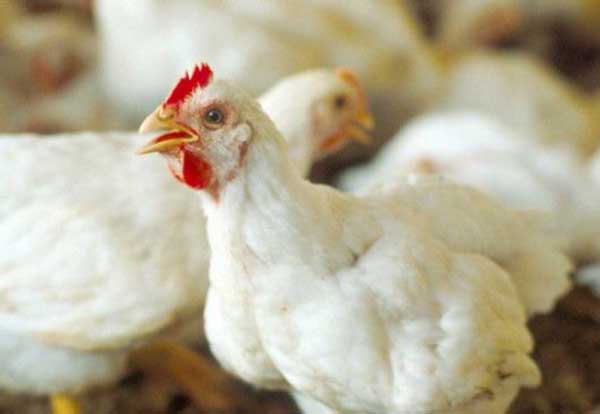
White-feathered broiler chickens are characterized by fast growth, a short rearing cycle, and a large average body weight at market age. China's white-feathered broiler industry started in the 1980s and, after nearly 30 years of effort, has become the fastest-growing and most typical sector in China's agricultural industrialization, making the country one of the world's three major white-feathered broiler producers. Chicken products have developed into the only sector in China's meat food industry capable of generating substantial export earnings. Over the past 20 years, white-feathered broiler production has continued to grow at an average annual rate of 5%-6%.
Housing Requirements
In Northeast China, insulation is key. Some farmers pursue only the number of birds raised rather than quality, blindly expanding production, with pitifully crude housing, resulting in high labor intensity, high heating costs, and high rates of disease and culling among chicks. Therefore, in the Northeast region, the construction of chicken houses is very important; attention must be paid to the main structure's insulation and the design of ventilation openings. This is to achieve high-quality rearing results.
Brooding
Whether chicken farming succeeds depends 50% on brooding. During the brooding period, temperature, humidity, air freshness inside the house, and chick density must all be reasonable. Temperature varies slightly depending on the season, but the goal is the same: chicks should not huddle together or breathe with their mouths open. Do not fixate solely on the thermometer, and do not go against the chicks' physiological needs. Humidity should be controlled at 60-65%; appropriate humidity can prevent dust from entering the respiratory tract, which causes snorting and coughing after the first immunization. Ventilation for chicks cannot be neglected; in fact, the fuel burned for indoor heating during the brooding period consumes a great deal of oxygen. After oxygen deprivation, chicks will overdrink, leading to non-pathological diarrhea or suffocation deaths. Excessive density affects the uniformity of the chicks and induces proventriculitis, so timely regrouping is necessary.
Vaccine Selection and UseChoose vaccines prepared from SPF eggs. Some vaccines are prepared using ordinary eggs. Formulate immunization programs based on the local epidemic characteristics of diseases.
Drug Prevention and Treatment
There are many misconceptions about drug use. Using florfenicol as the first drink easily causes immunosuppression; instead, cephalosporin antibiotics should be used, as they are effective against both inflammation and Gram-negative bacteria. Before 20 days of age, try not to use Western antiviral drugs; use more pure Chinese herbal medicines to prevent damage to the immune system. Medications should be used according to the full treatment course to prevent the development of drug resistance. Do not rely entirely on drugs to prevent disease; good environmental management must be done. When conditions suitable for growth are created, the probability of disease is much lower.
Reasonable Nutritional Levels
Do not pursue feed cost as a measure of high or low quality; complete, balanced nutrition with stable quality is sufficient. Each manufacturer's feed formula differs slightly, and comparison amounts should not be made between them. Early rearing requires protein, while later stages require energy, so for concentrated feed, add or reduce as appropriate (with reasonable feeding costs, generally after 33 days of age, reduce the proportion of concentrated feed; corn is the source of energy).