How to Disinfect a Chicken Farm? Detailed Explanation of Common Disinfection Methods
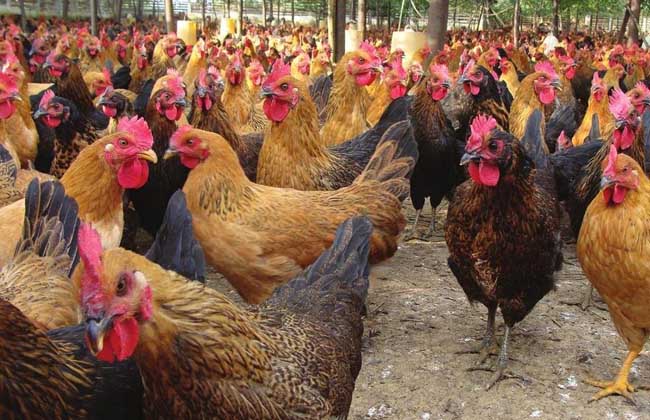
Disinfection of coops and overnight chicken houses Disinfection is an important measure for preventing chicken diseases. Chicken farms should have the necessary disinfection facilities and establish a strict and practical disinfection system, regularly disinfecting the floors, manure, waste, and equipment in chicken houses to prevent the continued spread of chicken diseases. Let's take a look at the disinfection methods for chicken farms below!
Types of Disinfection for Chicken Farms
Based on the occurrence of epidemics and the rearing conditions of the chickens, disinfection work can be divided into 3 types.
1. Preventive disinfection: When no infectious disease has occurred on the chicken farm, disinfect the roads within the farm, the equipment in the chicken houses, transport vehicles, and the flock 1-2 times per month on a regular basis. If an infectious disease occurs in the area, appropriately increase disinfection by 1-2 more times to prevent the occurrence of infectious diseases.
Emergency disinfection: When an infectious disease occurs in a certain chicken house on the farm, immediately seal off that chicken house. All items, flocks, and personnel entering and exiting must undergo disinfection treatment 1-2 times per day. The environment of the chicken house must also be disinfected, such as clearing weeds outside the chicken house, spraying insecticides to eliminate harmful insects, driving away wild birds near the chicken house, and killing rodents that appear in the chicken house. Nearby chicken houses should also increase the frequency of disinfection to confine the infectious disease within the affected chicken house and prevent it from spreading to other chicken houses or outside the farm.
3. Final disinfection: When the rearing of each batch of chickens ends, after the manure and litter and other waste materials have been disposed of, carry out 1 thorough disinfection of the inside and outside of the chicken house, feed troughs, waterers, and other equipment to kill pathogenic bacteria that may remain from rearing the previous batch of chickens, ensuring that the chicken house is clean and free of pathogenic bacteria when the next batch of chickens enters.
Disinfection Targets for Chicken Farms
To prevent the occurrence of infectious diseases, all personnel and items that come into direct or indirect contact with the chickens must be disinfected. The disinfection targets fall into the following 4 categories.
1. The roads within the farm area leading to the chicken houses must be disinfected regularly. Remove weeds near the chicken houses, and spray insecticides to eliminate harmful insects, drive away wild birds active near the chicken houses, and kill rodents and other wild animals that appear in the chicken houses.
2. Equipment such as cages, feed troughs, and waterers inside the chicken houses, as well as tools such as burlap sacks and vehicles used for transporting feed.
3. Waste materials such as manure, litter, and dead chickens inside the chicken houses.
4. Workers who travel within the farm area and enter the chicken houses.
Disinfection Methods for Chicken Farms
Different disinfection methods are required depending on the disinfection target. The methods commonly used in daily practice are mainly 3 types: physical methods, chemical methods, and biological methods.
1. Physical methods
① Sweeping and washing method: After sweeping out the waste materials in the chicken house, use water or a high-pressure water gun to rinse the equipment, walls, ceiling, and floor inside the chicken house, washing away the dirt attached to them. This is a very important step, because pathogenic bacteria are often hidden in the dirt. If the dirt is not removed, it will affect the effectiveness of chemical disinfection, since disinfectants can only kill pathogenic bacteria on the surface of the dirt, and the disinfectant solution may not be able to penetrate into the interior of the dirt to kill the pathogenic bacteria within it. Under certain conditions in the future, this dirt will become a source of infection for infectious diseases. Cleaning is the first step that must be carried out before using any disinfection method.
② Sunlight exposure method: Move the washed equipment and tools into the sunlight to expose them. Through the ultraviolet rays and drying effect of sunlight, the pathogenic bacteria attached to them are killed.
③ Dry heat disinfection method: Some tools can be placed in a drying oven for dry heat disinfection.
④ Boiling disinfection method: Some tools can be placed in water and boiled for disinfection.
⑤ High-temperature, high-pressure, or flowing steam disinfection method: Use the heat of high temperature, high pressure, or flowing steam to kill pathogenic bacteria on the walls of the chicken house and on equipment and tools.
⑥ Flame spraying method: Use the high temperature generated by a flame sprayer or blowtorch to kill pathogenic bacteria on the walls of the chicken house and on metal equipment and tools.
⑦ Incineration disinfection method: Incinerate garbage or dead chickens to eliminate pathogenic bacteria.
2. Chemical methods: Prepare disinfectants (medications) into a solution of a certain concentration as required, and disinfect according to the following methods.
① Washing or soaking disinfection method: Wash or soak the items that need disinfection to kill the pathogenic bacteria on them. Note that after repeated use of the disinfectant solution, its disinfection effect will decrease, so the disinfectant solution should be replaced promptly.
② Spraying disinfection method: Use a sprayer to spray disinfectant onto roads, walls, equipment, and tools. The diameter of the sprayed droplets should be relatively large, with the minimum droplet diameter being above 200 microns.
③ Aerosol disinfection method: This method is often used for disinfection with chickens present inside the chicken house. The most suitable temperature for aerosol disinfection is 18-22°C, the most suitable relative humidity is 70-80%, and the most suitable droplet diameter is 50-100 microns. If the droplets are too small (5-10 microns), the droplets can easily be inhaled by the chickens into the respiratory tract and cause adverse effects. During aerosol disinfection, it is sufficient for the feathers on the chickens' backs to become slightly wet. The amount of disinfectant solution used is 15-30 milliliters per cubic meter.
④ Fumigation disinfection method: This method is mostly used for disinfecting chicken houses and hatching eggs with formaldehyde solution. For detailed operating methods, see the formaldehyde solution section under disinfectants (medications).
⑤ Dosing disinfection method: Add disinfectants (medications) to sewage or water to kill pathogenic bacteria in the water.
3. Biological methods: Pile the manure, litter, and other waste from the chicken house in one place, cover it with a layer of mud or a layer of soil, and the microorganisms within will ferment and generate heat, which can kill the pathogens.