Complete Guide to Chicken Farming Knowledge: Practical Breeding Methods Explained
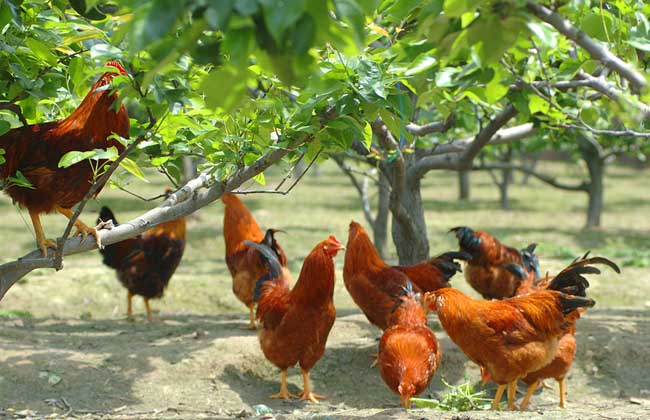
Chickens are the most commonly raised poultry by humans. Domestic chickens originated from the wild red junglefowl, with a domestication history of at least about 4000 years, but it was not until around 1800 that chicken meat and eggs became mass-produced commodities. Chicken types include turkeys, silkie chickens, pheasants, and others.
Establish Correct Breeding Concepts
1. Establish Awareness of Good Breeds
Some farmers choose chicks based first on low price, and whether chicks are of good breed is limited to the chicks' appearance, evaluating chicks by their chirping, mental state, whether they have black navels, big bellies, and other external features. This view is wrong. Although these are the most basic standards, what determines chicken production performance is often the intrinsic qualities of the chicks — the breed of purchased chicks, whether the age in days, hatching time, individual chick size, and maternal antibodies are consistent, and other factors. Especially as farming scale expands, these intrinsic factors become increasingly important, as they will directly affect the uniformity of the flock's future growth and the effectiveness of immunization, and the production performance and some indicators of laying hens will also be affected.
2. Brooding and Rearing Are Equally Important
High and stable production of the flock is the guarantee for obtaining maximum benefits, and cultivating qualified reserve chickens is an important link in achieving high and stable production. Most farmers tend to focus their energy on the brooding stage, while the main period that determines high production — the early rearing stage (whether the body weight of 10-week-old rearing chickens meets the standard determines about 80% of laying hen production performance) — is often neglected by farmers because it cannot bring obvious economic benefits. Many farmers at this stage, in order to save feeding costs, use low-quality formula feed, resulting in body weight not meeting standards at 8-10 weeks of age, poor flock uniformity, missing the main management period that determines high production, causing adverse effects such as low future laying performance, low peak production, and short duration of peak laying period.
3. Pay Attention to Routine Management
Some farmers believe that after chickens are vaccinated, all diseases are eliminated and everything is fine. They often do not pay attention to immunization procedures and feeding management. For example, free-range chickens are seen everywhere, dead and sick chickens are thrown randomly in ditches, roadsides, and around houses, artificially causing repeated occurrence and prevalence of many infectious diseases and parasitic diseases, causing major economic losses to the chicken farming industry. Vaccinating chickens makes immunization procedures very important.
① In formulating immunization procedures, it is necessary to refer to factors such as the actual situation of the local area and this breeding community, the immunization procedures provided by the chick supply company, vaccine varieties, and the time for producing protective immunity.
② Choose high-quality vaccines and master the injection site and dosage well.
③ For viral infectious diseases that have not occurred locally, it is best not to use live vaccines for vaccination.
④ After each vaccination, the vaccine empty bottles, vaccination empty bottles, vaccination equipment, and the sites for nasal drip, eye drop, and injection must all be carefully disinfected.
4. Strengthen Disinfection
Disinfection is the only means of killing bacteria and viruses in chicken houses and exercise areas, and is one of the important measures for maintaining a clean and hygienic environment and healthy chicken growth. One important reason for high morbidity and mortality in chicken farming is that disinfection work is not done or not done thoroughly, environmental hygiene is poor, and pathogenic microorganisms exist. In some breeding communities, farmers casually move between houses, there are no necessary disinfection troughs, disinfection basins, or basic disinfection measures at chicken house entrances, let alone cross-use drug disinfection. This artificially increases the incidence of opportunistic pathogenic bacteria — E. coli and mycoplasma diseases among farmers. Farmers raising chickens must enhance awareness of disinfection and disease prevention, and treat disinfection work seriously, carefully, and with high attention.
5. Value Feed Quality, Use Less Medication
Feed is the foundation for the flock to exert production performance. High-quality, comprehensive, and reasonable feed can often unleash the maximum production potential of the flock, enabling high and stable production and generating higher economic benefits.
In actual breeding practice, because feed costs account for about 75-80% of breeding costs, some farmers only focus on feed cost and do not value feed quality. In fact, using poor-quality feed results in a higher input-to-output ratio compared to good-quality feed. Low-quality feed often contains large amounts of miscellaneous meal, and the anti-nutritional factors and some pathogenic factors in it will greatly reduce the available nutrient level in the feed, and also cause body disorders, making chickens susceptible to viral infections, thereby increasing flock mortality and greatly affecting production.
Based on the growth condition of chickens and the disease prevention needs of a certain period, adding certain drugs to feed in the short term is appropriate. However, the phenomenon of indiscriminate drug use by some farmers raising chickens is very serious. Adding drugs to feed year after year not only causes drug waste but also easily produces drug resistance, making treatment very difficult once disease occurs. Cases of poisoning caused by long-term drug use are also common. Therefore, when chickens get sick, timely diagnosis and targeted medication are essential. Absolutely do not use drugs randomly, blindly, or increase dosages. It is even more strictly prohibited to use drugs as health supplements or growth promoters for long-term use. If medication is necessary, pay attention to: reasonable drug selection and compatibility, accurate dosage control, and appropriate medication timing. Generally, continuous use of a drug should not exceed one week to avoid drug resistance and adverse reactions. Planned medication for disease prevention should be based on the disease situation of the farm, with planned administration to the flock at certain ages, which can achieve prevention in advance and prevent or reduce the occurrence of epidemics.
Chicken farms must attach great importance to feed and drinking water hygiene. Fish meal and bone meal often contain Salmonella and E. coli, and it is best not to use them to feed chickens. Every time feed is brought in, quality inspection must be conducted. Feed found to be moldy, deteriorated, or seriously contaminated must absolutely not be fed to chickens. To prevent disease transmission through feed, feed can be heated with steam (80°C for 3 minutes) and made into pellet feed for chickens. Chicken drinking water should be clean and free of pathogenic bacteria. To prevent disease transmission through water, disinfectant drugs such as sodium hypochlorite and Baidusha can be added to drinking water. Strengthen feeding management, adopt scientific feeding methods, and reduce the occurrence of chicken diseases.
6. Strategic Measures to Reduce Flock Disease Occurrence
① All-in-all-out is the basic condition for disease control: A scientific chicken farming method is to raise adult chickens, rearing chickens, and chicks separately, and the hatchery must be far away from the chicken farm. It is absolutely forbidden to raise chickens of different ages in the same chicken house, and all-in-all-out must be achieved. That is, when introducing chickens, fill the chicken house at one time, and after this batch of chickens is completely removed from the house, conduct thorough cleaning, washing, and disinfection of the entire site, leave the house empty for 2-4 weeks, then introduce new chickens.
② Effectively achieve isolated raising: To prevent the occurrence of infectious diseases, a very important point is isolated raising to prevent pathogens from entering the farm. This requires chicken farms to be built in places with higher terrain, flat and open land, convenient drainage, good water quality, and far from villages, towns, factories, and meat processing plants. Chicken farms must not allow outsiders to visit. Personnel entering the farm must shower, change clothes, and change shoes to prevent outside poultry from entering the farm. Do not buy feed from epidemic areas, and do not use moldy or deteriorated feed. Pay attention to preventing birds, rats, mosquitoes, and flies. Chicks have very weak resistance and are susceptible to diseases. To ensure the safety of chicks, it is best to confine the caretaker inside the chicken house during the brooding period.
7. Pay Attention to Environmental Hygiene of the Chicken Farm
The environment of the chicken house includes the micro-environment of the flock (chicken house) and the macro-environment (production area). Chicken farms with good environmental hygiene have healthier flocks with fewer disease occurrences, and once an epidemic occurs, it is also easier to control.
The environment of the chicken house includes temperature, humidity, wind speed, dust, harmful gas content, and pathogenic microorganism content inside the house. These condition indicators all have a great impact on the growth and development of the flock and disease resistance. All measures should be taken to create a good environment for the flock and ensure the health of the flock.
Regular disinfection of the chicken house with chickens inside can reduce the dust and pathogenic microorganism content in the air of the chicken house, which is of great significance for ensuring flock health. In summer, disinfection with chickens inside can also cool the house. If the ammonia content in the chicken house exceeds 20 ppm, it will affect the growth and development and disease resistance of the flock, inducing respiratory diseases such as infectious rhinitis and mycoplasma disease. In autumn and winter, attention should be paid to resolving the contradiction between heat preservation and ventilation. The chicken farm should have separate clean roads and dirty roads. Clean roads are channels specifically for transporting feed and products (eggs, chickens), etc. Dirty roads are channels specifically for transporting chicken manure, dead chickens, and garbage.
There must be no chicken manure or chicken feathers in the farm area. Regular cleaning and disinfection should be carried out at least once a week, and deep plowing of the land should be done when necessary. Dead chickens must not be thrown randomly and should be collected promptly for steaming, incineration, or deep burial.
Chicken manure cleared from the chicken house should be transported away promptly and can be treated by fermentation or drying. Wastewater discharged from the chicken house should be treated harmlessly.
8. Strengthen Feeding Management
First, meet the nutrition needed for chicken body growth, development, egg production, or meat production, such as protein, carbohydrates, fats, minerals, and vitamins. Different breeds of flocks at different growth stages and in different seasons have different requirements for each nutrient component, and adjustments should be made according to actual conditions. The trace element selenium and vitamin E play important roles in chicken immunity and must be guaranteed in supply.
When chickens undergo beak trimming, flock transfer, immunization, or major changes in feeding conditions, stress reactions occur, and the requirement for vitamin A, vitamin K, and vitamin C increases, which should be supplemented promptly.
Feeding Management of Laying Hens in Spring
In spring, the outdoor temperature gradually rises and natural daylight hours gradually lengthen, making it a relatively suitable period for chickens to lay eggs and also the key period for annual brooding. However, at this time various pathogenic microorganisms also begin to reproduce, the climate is changeable, and the temperature difference between day and night is large. Thus, the following issues need to be addressed well in feeding management at different stages.
1. Feeding Management During the Chick Stage
① Spring chicks: Chicks hatched from March to April each year are spring chicks. During this period, the climate gradually warms, which is very favorable for chick growth, and the brooding survival rate is high. New chickens start laying in August-September of the same year, which is exactly the season when the previous year's old chickens' egg production declines, and can make up for the shortage of fresh egg supply in the off-season market. Egg production can continue until the end of the second year's autumn when molting and cessation of laying occur, with relatively high economic benefits.
② Late spring chicks: Chickens hatched from late April to May each year are late spring chicks. At this time the climate warms, management is easier, heating costs are reduced, and the brooding survival rate is relatively high. New chickens start laying in late autumn or early winter of the same year, with the peak period before Spring Festival when egg prices are relatively high, achieving good economic benefits.
③ Temperature: The temperature for chicks in the first week is 35-36°C, then decreases by 2°C each week thereafter. Because chicks have just hatched and the yolk has not been well absorbed, their constitution is weak and resistance is poor. Using high-temperature brooding can promote yolk absorption and reduce mortality.
④ Humidity: Because the brooding period temperature is relatively high, the humidity inside the house is relatively low, making it easy to become dry and causing dust to fly, which very easily causes foreign body tracheitis. Therefore, humidity should be increased regularly. Spray disinfection of chickens, or placing an iron basin on the stove and regularly adding chlorine-containing disinfectant, can achieve both disinfection and humidity increase. Generally, brooding humidity is 65-70%.
⑤ Beak trimming: The purpose of beak trimming is to prevent and control pecking vices. Generally the first time is at 6-10 days of age, and the second time at 14-16 weeks of age. Use special tools to trim off 1/2-2/3 of the upper beak and 1/3 of the lower beak. If too much is trimmed, it will affect feeding and growth; if too little is trimmed, pecking vices will occur during the laying period.
⑥ Ventilation: For the first 1-2 weeks, focus on heat preservation, but do not forget ventilation. In the third week, ventilation volume should be increased. In the later feeding period, as chicken growth speed accelerates, the oxygen requirement of chickens also relatively increases, and ventilation and air exchange are particularly important at this stage. In spring, while maintaining heat, regular ventilation and air exchange should be carried out to reduce the concentration of dust, carbon dioxide, ammonia, and other harmful gases in the house, reduce humidity inside the house, and keep the air fresh, thereby achieving the purpose of reducing the occurrence of respiratory and intestinal diseases.
⑦ Disease prevention: Diseases easily occurring during the brooding period mainly include pullorum disease, omphalitis, enteritis, infectious bursal disease, coccidiosis, etc. Drugs should be regularly administered for prevention, and epidemic prevention work should be done well. Formulate immunization procedures according to local conditions.
2. Feeding Management of Reserve Chickens
① Cultivate a healthy and high-quality reserve laying hen flock: Choose chicks from breeder farms with good breed and disease purification. In the early brooding period, the temperature inside the house should be maintained at 32-20°C, use 40-watt bulbs to increase overhead lighting brightness, provide sufficient trough space, and feed adequately. In the middle and later periods, pay attention to ventilation, and according to the growth and development status of the flock, restrict feeding to prevent excessive fat accumulation affecting later egg production. Do well in disease prevention and immunization, especially for infectious diseases such as Newcastle disease, Marek's disease, infectious bursal disease, and infectious bronchitis, which should be key immunization targets, improving uniformity and cultivating qualified reserve laying hen flocks.
② Strict epidemic prevention system: Establish a complete epidemic prevention system and persistently implement it. Establish an all-in-all-out system. Before introducing chickens, carefully clean and wash the chicken house and thoroughly disinfect. After introducing chickens, promptly remove and properly handle manure and bedding. Disinfect with chickens inside 2-3 times per week. Set up disinfection pans at the chicken house entrance for stepping on when entering and exiting. Frequently spray disinfectant daily. Change into epidemic prevention clothing when entering the house. Strictly prohibit idle personnel from entering. Regularly eliminate rats, prevent birds from entering through windows, and eliminate disease transmission. Promptly bury deeply or incinerate dead and sick chickens. Clean the chicken house entrance and surrounding environment on time, and spray disinfectant simultaneously.
③ Adjust feed ratio: In spring, after laying hens enter the peak laying period, to achieve better feeding benefits, the nutrient composition ratio in the feed must be adjusted well.
④ Sufficient clean drinking water: Ensure the flock drinks enough clean water and avoid water interruption. Especially in high-temperature weather, prolonged insufficient drinking water will inevitably cause egg production decline, and when heat stress intensifies, mortality will increase. For those using troughs or drinkers, clean them daily, remove waste and other dirt, then fill with clean water. For nipple drinkers, frequently check the dripping situation, and when no water comes out, it must be repaired promptly.
⑤ Control lighting well: After reserve laying hens are placed in cages, lighting time should be gradually increased. Due to breed differences, the rate of lighting time increase also varies. Generally, increasing by half an hour per week is appropriate, and around 27 weeks of age, increase to 16 hours of daily light, then keep constant. Some chicken farmers, due to poor feeding conditions or improper management, have small body weight at the start of laying. At this time, on the basis of strengthening feeding management, lighting time can be increased by 15 minutes per week, so that the body weight at the start of laying is consistent with sexual maturity. Turn lights on and off at fixed times. For insufficient lighting caused by power outages and other reasons, measures such as candlelight should be taken to supplement lighting.
⑥ Appropriate ventilation: The air environment has a direct impact on chicken health and production performance. Ventilation not only removes moisture and dust but also improves air conditions and controls temperature. In spring, temperatures vary greatly, and many farmers are accustomed to keeping doors and windows tightly closed. Ventilation and air exchange can reduce harmful gases in the house, keeping ammonia concentration below 20×10-6, hydrogen sulfide concentration below 10×10-6, and carbon dioxide allowable concentration not exceeding 0.5%. It should be particularly pointed out that nighttime ventilation must never be neglected.
⑦ Suitable temperature and relative humidity: If the temperature inside the house is too high or too low, it will affect chicken activity, eating, and physiological metabolism, thereby affecting laying performance and feed efficiency. When temperature is low, attention should be paid to cold protection and warmth; provide a diet with appropriate nutritional levels. In actual production, try to keep the house temperature at 10-27°C. Relative humidity does not have a great impact on the flock, but when combined with other factors, it may also cause serious harm. For example, both high temperature and high humidity or low temperature and high humidity can cause chicken disease. The former easily allows pathogenic microorganisms to survive long-term and blocks chicken heat dissipation; the latter easily chills the chicken body and consumes more feed. Similarly, excessively low relative humidity can increase the chance of airborne disease transmission and susceptibility to respiratory and other infectious diseases. Generally speaking, it is better to prevent dampness and keep the chicken house relatively dry.
⑧ Control body weight: Because chicken bones grow rapidly in the first 10 weeks, the skeleton of 8-week-old chicks can be 75% complete, and over 90% complete at 12 weeks of age. After that, growth slows down, and bone development is basically complete by 20 weeks of age. Body weight development reaches 75% of the full period at 20 weeks of age, then develops slowly, and basically stops growing at 36-40 weeks of age. The main method of controlling body weight is restricted feeding: In order to avoid flocks with shank length meeting standards but body weight being light, or flocks with shank length not meeting standards but body weight being excessive, appropriate restricted feeding should be carried out during the rearing period. Generally starting at 8 weeks of age, there are two methods: quantitative restriction and qualitative restriction. In production, the quantitative restriction method is mostly used because it can ensure that chickens eat a nutritionally balanced diet. The quantitative restriction method requires good feed quality, must be complete feed, and the daily feed intake of chickens is reduced to about 80% of free feeding. The specific amount should be determined according to the breed and flock condition.
3. Feeding Management of Laying Hens Before the Start of Laying
The weeks before the start of laying are the transition stage for hens from the growth period to the laying period. During this stage, a series of tasks must be carried out, including flock transfer and caging, selection and culling, immunization, feed replacement, and increased lighting, causing great stress to the chickens. Moreover, during this period, hens undergo drastic physiological changes, are sensitive, have weak adaptability, and poor disease resistance. If feeding management is improper, it can very easily affect laying performance.
① Flock transfer and caging: Caging before 100 days of age is most suitable, allowing new hens to have a period of time to become familiar with and adapt to the environment before the start of laying, and have sufficient time for immunization, beak trimming, flock division, and other work. If caged too late, it will delay the start of laying and affect the rise in laying rate. Hens that have already started laying may stop laying due to strong stress such as flock transfer, and some chickens may even develop yolk peritonitis, increasing the death and culling rate. If caged too early, it will affect growth.
② Immunization: All vaccines for immunization should be completed before the start of laying. Avian influenza inactivated vaccine should be vaccinated twice, about 30 days apart. Laryngotracheitis vaccine is best administered via cloacal brushing.
③ Deworming: Deworming work should be done well before the start of laying. For chickens at 110-130 days of age, use levamisole at 20-40 mg per kg of body weight, mix with feed and feed, once daily for 2 consecutive days to expel roundworms. Use bithionol at 100-200 mg per kg of body weight, mix with feed and feed, once daily for 2 consecutive days to expel tapeworms.
④ Increase lighting: Flocks with body weight meeting requirements or slightly above standard body weight can have lighting hours increased to 13 hours at 16-17 weeks of age, then increase by 30 minutes per week until reaching 16 hours. Flocks with low body weight should start lighting stimulation at 130 days of age when the flock starts laying. Lighting hours should increase gradually. If the suddenly increased lighting time is too long, it easily causes prolapse. Lighting intensity should be appropriate, not too strong or too weak. Too strong easily produces pecking vices; too weak fails to provide stimulation. New hens reared in open chicken houses are affected by natural light during the rearing period, and the lighting intensity is strong. Before and after the start of laying, the lighting intensity should generally be maintained within the range of 15-20 lux, otherwise the lighting effect is poor.
⑤ Replace feed: Two weeks before the start of laying, the calcium deposition capacity in bones is strongest. To make hens high-yielding, reduce egg breakage rate, and reduce the occurrence of laying hen fatigue syndrome, when increasing lighting, replace rearing feed with pre-laying feed (containing 2% calcium) or peak laying feed (containing 3.5% calcium) in a timely manner.
4. Feeding Management of Laying Hens During the Laying Period
The most suitable temperature for laying hens during the laying period is 13-23°C. When below 5°C, egg production significantly declines and feed consumption increases. Therefore, in the changeable climate of spring, to keep laying hens producing steadily and at high levels, scientific feeding management must be carried out.
① Heat preservation and ventilation: Although the outdoor temperature gradually rises in spring, the climate is changeable, and the temperature difference between morning and evening is large. Laying hens have relatively high daily feed intake and water intake, and the air is easily polluted, affecting chicken health and reducing laying rate. Therefore, attention must be paid to ventilation and air exchange to keep the air inside the house fresh. While ventilating and exchanging air, attention should also be paid to heat preservation. The number, size, and direction of window opening should be determined according to temperature, wind force, and wind direction. Open upper windows first, then lower ones. Open windows during the day, close at night. Open windows when temperature is high, close when low. Open windows when there is no wind, close when windy. This can both avoid spring respiratory diseases in chickens and improve the laying rate.
② Lighting management: In spring, days are short and nights are long, and natural light is insufficient. Artificial lighting must be supplemented to create lighting that meets the reproductive physiology needs of laying hens. The method is to hang 25-watt bulbs with lampshades (calculated at 3 watts per sq m) at a height of about 2 m from the ground, with about 3 m between lamps. If there are multiple rows of bulbs, they should be distributed in a staggered manner to obtain uniform lighting on the ground and improve the utilization rate of electric lights. Use the method of combined morning and evening supplementary lighting, with relatively fixed supplementary lighting times, preventing inconsistency. Maintain a total lighting time of 15-16 hours for laying hens.
③ Provide sufficient nutrition: For laying hens in the peak period, when the laying rate is above 85%, the daily protein intake should be 18 grams, and metabolizable energy should be 1.26 megajoules. Therefore, each kg of feed should contain 11.56-11.95 megajoules of metabolizable energy, 17%-18% crude protein, 3.6%-3.8% calcium, and 0.6% phosphorus. To ensure the energy needed by laying hens, wheat bran in feed should be less than 5%, and 2% oil can be added in February-March.
④ Add preventive drugs: Because new hens' peak laying comes quickly and lasts long, preventive drugs should be added at different stages to prevent salpingitis, diarrhea, respiratory diseases, and other diseases. For example, a chicken farmer in Jinan raised 4000 chickens, and during the peak period, due to long-term chronic diarrhea and neglect of treatment, the combs atrophied and egg production declined.
5. Feeding Management in the Late Laying Period
In the late laying period, laying hens hardly gain any more weight, egg production gradually declines, and eggshell quality gradually deteriorates. Therefore, feed nutrition should be adjusted promptly and management strengthened.
① Calcium supplementation: To make chickens produce as many high-quality eggs as possible, reasonable calcium supply is particularly important. A normal eggshell contains about 2-3 grams of calcium, but the retention rate of calcium in the body is only 50-70%, so producing one egg requires 4 grams of calcium, which is a relatively large demand. If calcium is insufficient, it will promote eating, causing excessive feed consumption, increasing hen body weight, increasing fat deposition in the liver, and causing fatty liver. If calcium in feed is oversaturated, it will reduce chicken appetite and affect the laying rate. If calcium in feed is seriously insufficient, eggshell quality will deteriorate, soft-shelled and shell-less eggs will increase, and even hens may become paralyzed, developing cage layer fatigue syndrome. In the later period, the calcium content in feed should be 3.6% for 42-62 weeks of age and 3.8% after 63 weeks of age. Shells, limestone powder, and calcium hydrogen phosphate are good calcium sources, but should be properly matched. Some limestone powder has low calcium content, and some calcium hydrogen phosphate has high content. Pay attention to fluorine poisoning. If only limestone powder is used, it will affect the palatability of chickens and thus affect appetite. In practice, adding 2/3 shell powder and 1/3 limestone powder not only gives the best eggshell strength but is also economical and practical. Most hens form eggshells at night and lay eggs the next morning. During the nighttime eggshell formation period, hens feel calcium-deficient. If sufficient calcium is supplied in the afternoon and hens are allowed to eat freely, they can regulate their intake themselves. During eggshell formation, calcium intake is 92% of normal, while during non-eggshell formation it is only 86%. Therefore, 4-5 PM is the golden time for calcium supplementation. For flocks with poor eggshell quality, supplement 500 grams of shell powder or limestone powder per 100 chickens every afternoon, allowing chickens to eat freely.
② Promptly cull sick chickens, non-laying chickens, and low-producing chickens: Carefully observe the flock routinely, and based on appearance and physiological status, promptly remove chickens with no feeding value. After the peak laying period and when the laying rate drops to 80%, strengthen the culling of non-laying chickens, low-producing chickens, and sick chickens to improve feed utilization.
Prevention and Treatment of Common Chicken Diseases
1. Atypical Newcastle Disease
① Occurrence of atypical Newcastle disease: In terms of disease characteristics, typical ND is rarely seen, while atypical ND is more common. Endemic occurrence is less common, while sporadic occurrence is more common. Multiple chicken houses on a farm being affected sequentially is less common, while one house or individual flocks being affected is more common, or multiple batches of chickens being affected within a certain age range is more common.
② Diagnosis and control of atypical ND: Before necropsy, a detailed understanding should be obtained of the flock's quantity, age, raising method, management situation, and post-onset conditions, such as the overall flock mental state, changes in feed intake, number of affected chickens, transmission speed, and clinical symptoms. In addition, the immunization situation before onset should be understood, including the types of vaccines used, immunization methods, time of the last immunization, interval from the previous immunization, antibody monitoring results, and IBD immunization status. During necropsy of dead and sick chickens, the focus of observation is intestinal changes. The diagnostically significant change sites are the duodenal mucosa, lymphoid aggregates after the yolk stalk, lymphoid aggregates at the ileocecal orifice, cecal tonsils, and cloacal mucosa. Often, not all changes can be seen in one chicken; the changes from multiple chickens should be compared comprehensively. At the same time, it should be noted that when ND occurs, it often is complicated by secondary diseases such as E. coli disease, which often causes misdiagnosis and brings unnecessary losses to production.
In addition to strengthening comprehensive veterinary hygiene and epidemic prevention measures, strictly implementing scientific immunization procedures is crucial. A scientific immunization procedure should be formulated based on the actual antibody monitoring situation of the farm, combined with vaccines. Once an epidemic occurs, the effectiveness of emergency immunization varies by region. It is recommended to use traditional Chinese medicine preparations with therapeutic effects and immune-enhancing drugs for better results.
2. Avian Influenza
① Epidemic characteristics of avian influenza: It can occur in all four seasons, but is more common in spring and autumn and less common in summer. The incubation period varies greatly depending on the amount of virus infecting, the strength of virulence, the species of infected poultry, environmental conditions, and the route of infection. Poor feeding and management conditions are important inducing factors. Different species and flocks show different clinical symptoms after infection. Infection with the same subtype of virus shows different manifestations in different species, flocks, and batches. Concurrent and secondary diseases often occur. Mortality varies greatly.
② Clinical and pathological characteristics of avian influenza: Chickens with low-pathogenicity avian influenza show relatively mild respiratory symptoms, some with difficulty breathing, and individual cases with diarrhea. The flock shows elevated body temperature, decreased appetite and drinking, stunted growth and development, and a significant decline in laying rate. High-pathogenicity avian influenza often erupts suddenly, often without any symptoms, with mass death. In a short time, complete loss of appetite, sudden rise in body temperature, extreme lethargy, head and neck swelling, and difficulty breathing can be seen. Low-pathogenicity avian influenza shows tracheal ring congestion, exudate in the trachea, and in a few cases, pinpoint-sized hemorrhage spots on heart fat. Individual cases show catarrhal enteritis. Atrophy of ova in adult hens and congestion of the oviduct with large amounts of inflammatory exudate are quite common. High-pathogenicity avian influenza is characterized by hemorrhage and swelling of various tissues and organs throughout the body.
③ Chicken nephropathogenic infectious bronchitis: Chicken nephropathogenic IB mainly occurs during the brooding stage, with the highest incidence at 15-40 days of age. Large chicken farms that bring in many batches of chicks have a fairly stable onset age within a certain period. This disease can spread rapidly within the same flock, with a very short incubation period, generally within ten to several tens of hours. This disease mostly occurs in late autumn and early spring. Affected flocks initially show transient respiratory symptoms, with mild difficulty breathing and coughing, which often go unnoticed. What follows is increased thirst in the flock, with water intake increasing by more than twice normal, decreased feed intake, lethargy, and passing large amounts of watery diarrhea, with defecation volume increasing by 2-3 times normal. Then mass death occurs, with severely affected flocks experiencing 40% or even more mortality. The kidney changes in dead and sick chickens are very obvious, showing extreme swelling, pale color, and mottled surface. The ureters are dilated due to urate deposition, and in some cases, gout stones formed by urate deposition can be seen.
Currently, China mainly uses two vaccines, H120 and H52, for the prevention of chicken IB, but these two vaccines have almost no protective power against chicken nephropathogenic IB. To effectively control chicken nephropathogenic IB, it is necessary to use a vaccine containing the nephropathogenic IB serotype (W93) on the premise of doing basic immunization with H120 and H52 well.
In addition, chicken chronic respiratory disease (CRD) caused by Mycoplasma gallisepticum (MG) and chicken infectious rhinitis caused by multiple factors are also quite serious in spring. Especially when such pathogenic bacteria are mixed with E. coli and other infections, it brings difficulties to clinical treatment. However, as long as it is detected early and diagnosed accurately, using sensitive
3. Chicken Ascariasis
Mainly parasitizes in the small intestine of chickens, is a round thread-like worm body, with chickens at 3-4 months of age being most susceptible, especially when protein and vitamin feed is insufficient, the disease is more serious.
[Symptoms]Decreased appetite, emaciation and weakness, feathers standing on end, both wings drooping. Adult chickens have decreased egg production and thinner eggshells. Prevention focuses on strengthening feeding management, paying attention to environmental disinfection and drinking water hygiene.
[Treatment]① Bamboo leaves and Sichuan pepper 15 grams each, stir-fry over low heat until yellow, grind into powder, mix 0.02 grams per chicken per dose into feed, twice daily for 3 consecutive days. ② Tobacco powder: Rub tobacco into powder, mix into feed at about 2% of feed weight, feed for 7 consecutive days, then after 1 month, feed for another 7 consecutive days. It expels worms if present and can prevent roundworm occurrence if not. Soaking tobacco in water for chickens to drink also has therapeutic effects. ③ Phenothiazine: Good deworming effect, low toxicity, relatively safe. Young chickens 0.5 grams per kg body weight, adult chickens 1 gram per kg body weight. Can be mixed into feed and given during evening feeding, for 2 consecutive days, then after one week, the same dose for another 2 consecutive days, which can basically expel the worms cleanly. ④ Albendazole: 30 mg per kg body weight, can be directly administered or mixed into feed for chickens to eat freely.
4. Chicken Tapeworm Disease
The flock is infected by eating cysticercoids in intermediate hosts such as flies and earthworms.
[Symptoms]Diarrhea, feces often containing blood and tapeworm segments. Necropsy shows nodules or inflammation in the small intestine, with the intestine filled with white ribbon-like worm bodies. Clinical symptoms of sick chickens include preferring to squat on perches, retracting the head and standing still, frequent drinking, and emaciation and weakness.
[Treatment]① Pomegranate peel 10 grams, chinaberry bark 15 grams, fry until scorched, grind, 2-3 grams per chicken per dose, mix into feed in the morning, for 3 consecutive feedings. ② Use bithionol raw powder mixed into feed at 100 mg/kg body weight, while using compound vitamin B in drinking water to promote digestion.
5. Chicken Coccidiosis
Mostly occurs in flocks at 15-45 days of age.
[Symptoms]Diarrhea, bloody stools, stunted growth, mental dullness, standing still, often emaciation and death, with mortality as high as over 50%.
[Prevention and Treatment]① Strengthen feeding management, pay attention to environmental hygiene and disinfection, and flock stocking density should not be too high. ② Garlic 50 grams mashed, add 100 ml water, mix into feed and feed, once daily for 5-7 consecutive days. ③ Purslane and three-seeded copperleaf 150 grams each, chop and mix into feed for free eating, once daily for 5-7 consecutive days. ④ Drug treatment: furazolidone, diaveridine, anticoccidial drugs, etc. are all effective.
6. Chicken Histomoniasis (also known as Blackhead Disease)
This disease mostly occurs in the warm and hot seasons from late spring to early autumn. This disease is caused by Histomonas meleagridis penetrating the cecal wall to reproduce, entering the bloodstream, and parasitizing the liver. Chickens from 2 weeks to 4 months of age are susceptible, with an incubation period of 7-12 days. Adult chickens can also be affected but show latent infection and become carriers. Poor management conditions of the flock, damp chicken houses, overcrowding, poor ventilation, insufficient light, poor feed quality, and incomplete nutrition can all be inducing factors for this disease and promote its prevalence and aggravate its severity.
[Symptoms]In the early stage, sick chickens show loss of appetite, ruffled feathers, drooping wings, lethargy, fear of cold and huddling, emaciation, anemia, and diarrhea. Feces are pale yellow or pale green, containing blood, and in severe cases, large amounts of fresh blood are passed. Some sick chickens have blood stasis in the head skin, appearing blue-purple, hence the name “blackhead disease”.
[Treatment]① Furazolidone. Add 0.04% to feed, i.e., add 4 tablets per kg of feed (each tablet 0.1 gram), for 5-7 consecutive days. ② Metronidazole. Mix into feed at 400 mg/kg, for 5-7 consecutive days. ③ Levamisole. When sick chickens are turning toward recovery, used to expel Heterakis gallinae, 25 mg per kg body weight (1 tablet), administered once. Injectable forms can also be used, commonly 5% injection, intramuscular injection of 0.5 ml per kg body weight. Such respiratory infections are relatively easy to control.
7. Big Head and Fat Face Syndrome
[Symptoms]Sick chickens show swelling around the eyes, head and face, and even the lower jaw and wattles, presenting a typical “big head and fat face” appearance, and showing certain neurological symptoms such as head shaking and torticollis. Necropsy of the head and face subcutaneous tissue shows yellow gelatinous or purulent edema. This syndrome is a multi-factor infectious disease caused by avian pneumovirus and secondary infection by pathogenic bacteria such as E. coli.
[Prevention and Treatment]① Improve the feeding environment. ② Prevent secondary bacterial infection. Sulfamonomethoxine (0.03%), ciprofloxacin, or ampicillin can be selected for treatment, and antiviral drugs can be appropriately combined. ③ Inject attenuated vaccine (1-day-old spray) or inactivated vaccine for immunization.
8. Fatty Liver Syndrome
[Symptoms]This disease is a nutritional disorder caused by fat metabolism disorders in the chicken body. Affected chickens have pale and anemic combs and wattles, pass gray-white loose feces, extend the head and neck forward or bend the back, fall to the ground and convulse, and finally emaciate and die.
[Prevention and Treatment]① Control the energy level in the diet and increase protein content by 1%-2%. ② Add 100 grams of choline chloride, 50 grams of methionine, 5 grams of multivitamins, 12 mg of vitamin (B12), and 0.05-0.1 mg of selenium per 100 kg of feed. ③ Feed sick chickens separately, giving each 0.1-0.2 grams of choline chloride and 1 mg of vitamin E. At the same time, take 30 grams of Bupleurum, 20 grams each of Scutellaria, Salvia, and Alisma, and 10 grams of Schisandra, grind finely, and mix into feed at 1-2 grams per bird.
9. Abdominal Distension Syndrome
[Symptoms]Chickens at 4-5 weeks of age are susceptible to this disease: abdominal enlargement, head and face turning purple, difficulty breathing, gradually failing and dying. Necropsy of dead chickens shows the abdominal cavity filled with pale yellow fluid, pericardial effusion, right heart dilation, lung congestion and edema, and atrophy and congestion of the liver and gastrointestinal tract. This disease is caused by chronic hypoxia in the house, cold, excessive ammonia concentration, and deficiency of selenium, vitamin C, phosphorus, and genetic factors.
[Prevention and Treatment]① Prevent feeding sulfonamide and furan drugs with high toxicity to kidneys and liver. Aminoglycosides, quinolones, and other antibiotics should also not be used in excessive amounts. ② This syndrome often is complicated by E. coli disease or chronic respiratory disease. Antibacterial drugs such as ampicillin or amoxicillin (10 grams/100 kg water) and ciprofloxacin (5-10 grams/100 kg water) can be selected to prevent secondary infection. ③ Add 500 grams of selenium-containing growth supplement per 100 kg of feed, while adding an appropriate amount of vitamin E.
10. Vices and Bad Habits Syndrome
[Symptoms]Insufficient nutrition in the diet or improper proportions of various nutrients, combined with poor environment and management disorders, cause a large number of chickens in the flock to develop vices and bad habits such as pecking at the cloaca, pecking feathers, pecking toes, pecking eggs, and pecking each other's bodies.
[Prevention and Treatment]① Beak trimming: perform the first beak trimming at 5-9 days of age, and the second beak trimming at 10-12 weeks of age. ② Prepare complete diet, feed reasonably, and manage scientifically. ③ Maintain appropriate stocking density. ④ Add 1%-2% gypsum powder and 1%-2% salt to the diet of sick chickens. ⑤ Isolate sick chickens promptly when found. Iodine tincture, gentian violet, camphor oil, etc. can be applied to wounds to prevent ulceration.