What preparatory work needs to be done before brooding chicks?
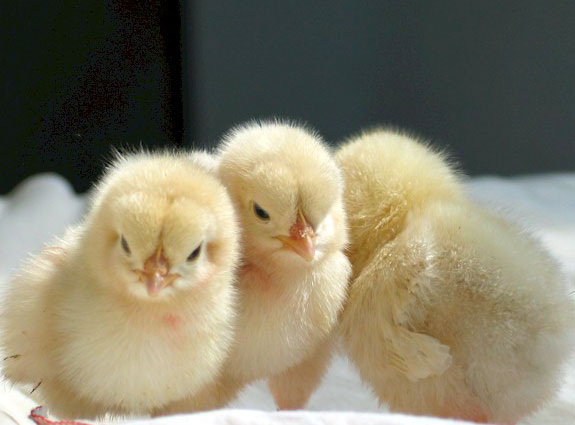
Preparations before brooding chicks are key measures that directly affect the growth and development of chicks, the improvement of their various physiological systems, and the guarantee of their future production performance. Therefore, the more meticulous and specific the preparations before brooding breeder chicks, the better.
Cleaning and disinfection of the chicken house
1. Cleaning: After all the old chickens have been culled or the chicks have been moved out, the movable equipment should be carried out promptly, then washed and disinfected to prevent the spread of pathogens. First, the chicken manure needs to be cleared out, then the roof, chicken cages, drinking water and exhaust equipment, and the floor should be swept; then a high-pressure sprayer should be used for washing, so that it is thorough and complete, reaching the standard of no chicken feathers, no chicken manure, no dust, etc.
2. Drying: After washing, the doors, windows and vents should be opened to let the chicken house ventilate and dry, so that the moisture evaporates; generally leave it for 3-5 days, otherwise the residual water droplets will reduce the concentration of the disinfectant and affect the disinfection effect.
3. Disinfection of the chicken house: After the chicken house is dry, choose a certain disinfectant and prepare it into a water solution of a certain ratio for spray disinfection. Disinfectants can be caustic soda, quicklime, Baidusha, Baodian, etc. If it is cage rearing, it is best not to use highly corrosive drugs such as caustic soda for disinfection, so as not to damage the cages. When spraying disinfectant, be sure to follow the order from top to bottom, that is, roof, walls, cages, floor, and proceed sequentially from one end of the chicken house to the other. Disinfection personnel must wear leather gloves and masks to avoid skin damage from caustic soda water.
4. Disinfection of equipment: For floor rearing, generally the feed buckets, water buckets or water troughs to be used should be soaked and disinfected; for cage rearing, generally the water jugs, feeding trays and drinkers to be used should be soaked and disinfected. During soaking disinfection, these equipment to be used can be placed in a container, then the prepared disinfectant water added until all the equipment is submerged; after soaking for half a day, the equipment can be taken out, air-dried, and moved into the chicken house for later use.
5. Fumigation disinfection: Place all kinds of equipment to be used neatly inside the chicken house, close all doors, windows and vents, then place 1 heat source at each of the four corners and in the center of the chicken house, add a certain amount of powdered methyl vinegar and potassium permanganate, and under the action of the heat source they will volatilize rapidly. The next day, open the doors and windows for ventilation, and clean up the fumigation materials. In order to achieve a good disinfection effect, it is advisable to fumigate 2 times, with an interval generally of 7-10 days.
Repair of housing and equipment
15 days before the chickens arrive, repair the chicken house to ensure the chickens' safety. The repair of the housing should ensure good insulation and ventilation, no rain leakage, and no dampness. Equipment maintenance includes cages, water lines, feed troughs, lighting electricity, ventilation equipment (fans), heating equipment (brooder umbrellas), etc.
Selecting the rearing personnel
Train the rearing personnel regularly. Rearing personnel must be responsible, able to endure hardship, and able to promptly handle general technical problems in the production process.
Prepare brooding supplies
For floor rearing, prepare sufficient litter; for cage rearing, prepare sufficient cage netting, sufficient heating fuel, feeding trays, drinkers, etc. In addition, the rearing personnel should also prepare daily necessities.
Prepare feed and other nutritional supplements
The preparation of feed should not be excessive, so as to avoid oxidative loss of nutrients in the feed; generally preparing the amount for 3 days is enough. In the plum rain season, it is even more necessary to mix and use immediately; finished feed should preferably be used up within 7 days and should not be stored for a long time. At the same time, the storage of feed should be done well to prevent contamination by rats and the like, so as to prevent spoilage. In addition, necessary nutritional supplements should be prepared, including glucose, multivitamins, minerals and amino acids.
Draw up a vaccine plan and purchase enough vaccines for use
The vaccine plan should be drawn up according to the specific circumstances of different breeder chickens. When purchasing, carefully choose the manufacturer and production date.
Preheating the chicken house
2 days before the chicks arrive, use heating equipment for preheating; through preheating, make the temperature inside the chicken house reach a temperature suitable for receiving chicks, generally required to be around 33-34°C. In hot summer, preheating in advance may not be needed. In addition, prepare a sufficient amount of warm boiled water for the chicks to drink when they enter the house. In winter, the temperature of the warm boiled water is generally preferably 20-25°C.