What methods are there for identifying non-laying hens?
Listen to the sounds
When touched, a hen that is restless and lets out “cheep cheep” alarm calls is a non-laying hen; one that tucks its wings and squats in the cage, making “cluck cluck” sounds, is a laying hen.
Look at the appearance
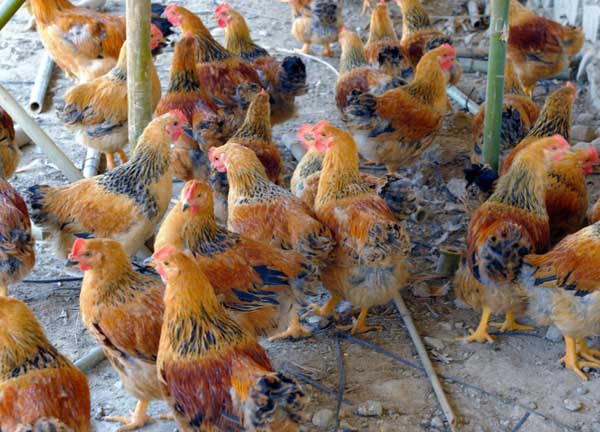
Non-laying hens are relatively sensitive and easily startled, with neater and smoother feathers, slow movement, and a shrunken, pale comb; laying hens are gentle in temperament, with less neat plumage and poorer luster, but their combs and wattles are large and bright red, and they are lively in manner with bright eyes.
Look at the droppings
Non-laying hens have dry droppings, mostly green; laying hens have plump, moist droppings with a layer of white mucus on them.
Look at the head and feet
The skin at the beak, eye rings and toes of non-laying hens is more yellow; that of laying hens is more white.
Look at the vent
The vent of a non-laying hen is dry and tightly contracted, round, and yellow; the vent of a laying hen is white, moist, larger, and oval in shape.