What are the prevention and treatment methods for chicken inclusion body hepatitis?
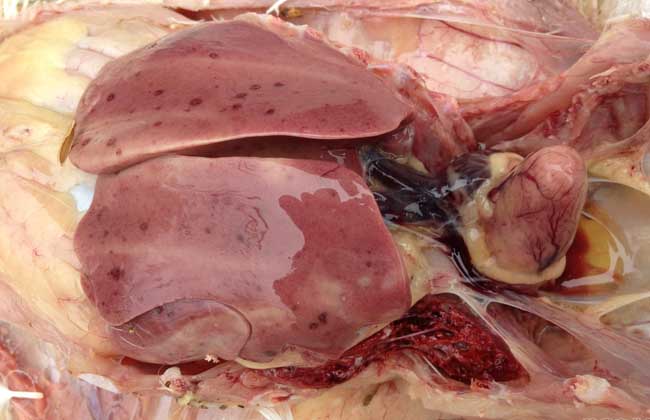
Chicken inclusion body hepatitis is an acute viral infectious disease, mainly characterized by a sudden increase in mortality in young chicken flocks, severe anemia in sick chickens, and enlargement, hemorrhage and necrosis of the liver. Currently there is no effective vaccine or specific drug for this disease, and comprehensive epidemic prevention measures must be taken to prevent and control it. Let's take a look together below!
Epidemic characteristics of chicken inclusion body hepatitis
Inclusion body hepatitis is an infectious disease caused by adenovirus that mainly attacks the liver. It mainly occurs in chickens aged 3-15 weeks, with broiler chickens being the most susceptible. Pigeons, turkeys, ducks and other poultry can also be infected. It is characterized by muscle hemorrhage, liver enlargement and hemorrhage with yellow necrotic foci, and strong resistance of the virus. It is mainly transmitted vertically through contaminated breeding eggs, and can also be transmitted horizontally through contaminated environmental equipment.
Clinical symptoms of chicken inclusion body hepatitis
When inclusion body hepatitis occurs in a chicken flock, sick chickens often die suddenly without showing any warning symptoms. Some sick chickens also show symptoms such as depression, diarrhea, watery loose droppings, anemia, jaundice, weakness, and pale combs and wattles several hours before death. After symptoms appear, death usually occurs within 24 hours. A sudden increase in mortality is usually an important sign of the occurrence of this disease. That is to say, once this disease occurs on a chicken farm, mortality rises sharply within the first 3-5 days, then stabilizes at a certain level for 3-5 days, and then declines back to the pre-onset level within 3-5 days, that is, deaths stop. The course of the disease lasts about 2-3 weeks, with a mortality rate of 1%-10%, occasionally reaching 40%.
Pathological changes of chicken inclusion body hepatitis
Chickens that die from inclusion body hepatitis are generally plump and well developed. The liver lesions are the most characteristic, with almost all cases showing liver lesions: the liver is enlarged and brittle, yellow or brownish-yellow, with numerous hemorrhagic spots, hemorrhagic patches and necrotic foci of varying sizes on the surface, and the liver appears mottled. The kidneys are enlarged and pale due to urate deposition, with hemorrhagic spots under the capsule. There is pericardial effusion, grayish-white patches on the epicardium, pale muscles, obvious hemorrhage in the pectoral and leg muscles, yellowed bone marrow, and thin blood.
Prevention and treatment methods for chicken inclusion body hepatitis
1. When introducing breeding stock, be careful to avoid introducing sick chickens or virus-carrying chickens, because the disease is transmitted through eggs. In addition, this disease can also be transmitted horizontally, so sick chickens should be culled, and sodium hypochlorite should be used frequently for environmental disinfection.
2. Enhance the disease resistance of chickens. For sick chickens, vitamin K and trace elements such as iron, copper and cobalt can be added, and corresponding drugs can also be added to the feed at the same time to prevent secondary bacterial infections.
3. Infectious bursal disease virus and infectious anemia virus can increase the pathogenicity of this virus, so immunization against these two diseases should be strengthened, or these viruses should be eliminated from the environment.