What are the prevention and treatment methods for diarrhea in laying hens
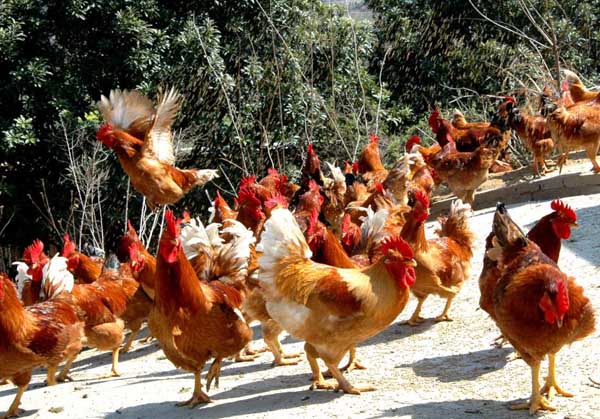
In addition to disease factors, there are several other factors behind diarrhea in chickens, and the symptoms and severity of the diarrhea also vary.
Physiological factors
The urinary system of chickens consists of the kidneys and ureters, and it connects directly with the rectum, opening into the cloaca. Excess water in the chicken's body is excreted together with the feces, so it is hardly surprising that laying hen droppings are more watery than those of other poultry.
Climatic reasons
When the outside temperature is high, drinking water to cool down is the main means by which laying hens maintain a constant body temperature. However, due to their physiological characteristics, most of the water, after passing through the blood circulation, can only be excreted from the cloaca, which results in thin droppings.
Feed factors
To improve the palatability of the feed, enhance the chickens' appetite and supplement salt in their bodies, some chicken farmers often increase the salt content in the daily ration of laying hens. In addition, sometimes the feed itself has a high salt content, and a sharp increase in water intake after the chickens eat can both lead to thin droppings. Moreover, an excessively high magnesium content in dicalcium phosphate and limestone powder in the feed can also lead to thin droppings. This situation rarely occurs before the feed for laying hens is changed, and mostly occurs after the change.
Therefore, for diarrhea in laying hens, the situation should first be analyzed and the cause identified before conditioning is carried out. If it is caused by the above reasons, using large amounts of medication will not only fail to improve it, but will also disrupt the microbial balance in the laying hens' intestines and make the diarrhea more severe.