Detailed Explanation of Deworming Methods for Common Parasites in Chickens
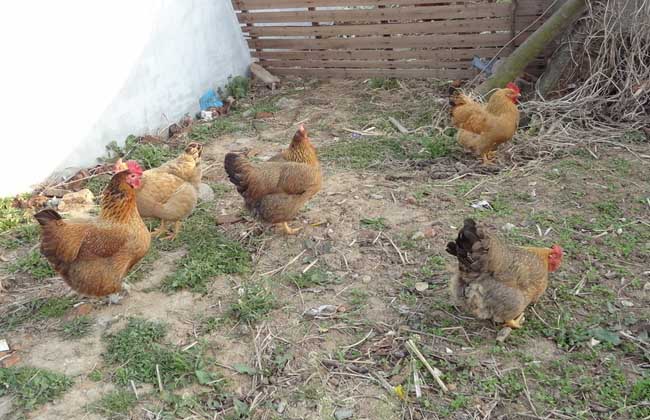
During winter, chickens should be dewormed, which can prevent chicken deaths in winter. The three common parasites in chickens are Prosthogonimus, chicken tapeworm, and chicken roundworm. The deworming methods are as follows.
Prosthogonimus
Prosthogonimus parasitizes the bursa of Fabricius, oviduct, and rectum of chickens. Symptoms include reduced appetite, obvious weight loss, listlessness, and frequent laying of yolkless eggs, soft-shelled eggs, and shell-less eggs. Sometimes eggshell fragments or large amounts of thick grayish-white mucus are discharged from the cloaca, and severe cases can cause death. For prevention and treatment, hexachloroethane can be used, mixed into feed at 0.3 grams per chicken, fed 3 times daily for 3 consecutive days.
Chicken Tapeworm
Tapeworm disease parasitizes the small intestine of chickens. Symptoms include ruffled feathers, drooping wings, anemia, weight loss, diarrhea, or paralysis, ultimately leading to death from exhaustion. For treatment, bithionol powder can be used, mixed into feed at 0.2 grams to 0.3 grams per kilogram of body weight.
Chicken Roundworm
Chicken roundworm parasitizes the small intestine of chickens. It mainly affects chickens aged 3 months to 10 months. Adult chickens are often carriers and generally show no symptoms. Symptoms in infected chicks and growing chickens usually include pale combs, anemic mucous membranes, digestive disorders, listlessness, drooping wings, and erected feathers, leading to weight loss and death. For treatment, tetramisole can be used at 40 milligrams to 60 milligrams per kilogram of body weight, mixed into feed or dissolved in drinking water.