Key Technical Points and Detailed Methods for Chicken Feed Formulation
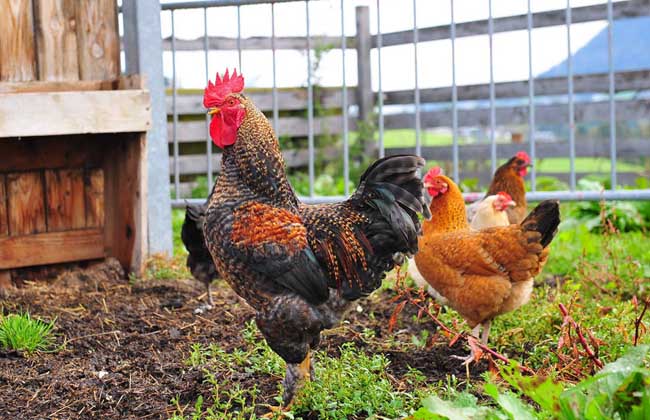
The feed utilization rate of chickens varies among different growth stages; for example, it is low in chicks and high in adult chickens. Differences between individual chickens also affect feed utilization rate. Only when all nutrients (such as energy, protein, amino acids, vitamins, minerals, etc.) meet the nutritional needs of chickens and reach the optimal ratio level can the feed conversion rate be maximized. Otherwise, it will inevitably cause waste of feed nutrients.
Carbohydrates
Carbohydrate feed mainly contains starch and sugars, and can account for less than 70% of the daily mixed feed. Corn is one of the highest-energy feeds among cereal feeds and can account for 45-70% of the mixed feed. Wheat bran has good palatability and contains more protein and carbon, and can account for 5%-30% of the mixed feed. Barley contains relatively high crude fiber, so its usage should not be too much, and it can account for 15%-20% of the mixed feed. Sorghum tastes rather astringent, and too much of it can cause constipation in chickens, so it can account for about 10% of the mixed feed. Rice bran is often used as a supplementary ingredient and should not exceed 8% of the mixed feed.
Protein Feed
Protein feed contains 30-65% protein and can account for 5-30% of the mixed feed. Soybean cake and peanut cake are relatively good plant protein feeds with good palatability and comprehensive nutrition, and can account for 10-20% of the mixed feed. Cottonseed cake contains toxins, so its usage should not be too much, generally not exceeding 7% of the mixed feed. Fish meal is the highest-quality animal protein and can account for 5-15% of the mixed feed. The salt content of fish meal should be calculated, and the salt content of the fish meal used should not exceed 0.4% of the mixed feed.
Green Fodder
Green fodder is mainly used to supplement vitamin deficiencies and can account for less than 30% of the mixed feed. The amount of various fresh green vegetables used accounts for 20%-30% of the mixed feed. Green tree leaves such as black locust and shrubby sophora can account for 5-10% of the mixture.
Mineral Feed
Mineral feed mainly supplements mineral deficiencies in the mixed feed and can account for 0.3-9% of the mixed feed. Bone meal mainly supplements calcium and phosphorus and can account for 1%-2.5% of the mixed feed. Shell meal mainly supplements calcium deficiency and can account for 1-7% of the mixed feed; laying hens should use more of it, while other chickens should use less. Salt mainly supplements sodium deficiency in the mixed feed and usually accounts for 0.3-0.4% of the mixed feed. The salt content of fish meal should also be included in the calculation.
Note: When preparing chicken feed, a small amount of grit should be added. It is usually supplemented after chickens reach 1 month of age, which can improve feed utilization rate, and it can account for 0.5-1% of the mixed feed.