Detailed Explanation of Key Technical Points for the Prevention and Control of Duck Cholera
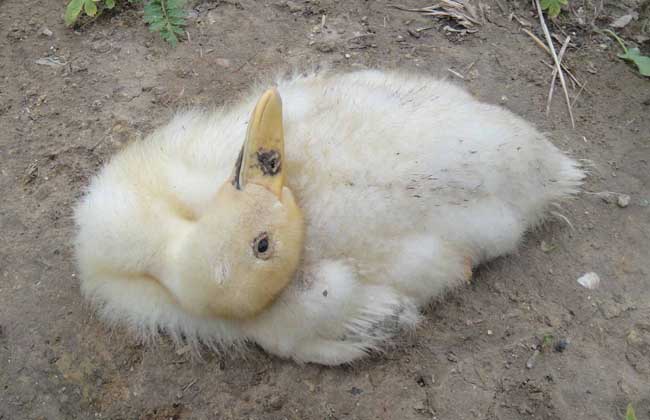
Duck cholera, also known as duck septicemia, is a contagious infectious disease caused by Pasteurella multocida. Clinically, it is mostly seen in young domestic ducks over three months of age and laying ducks. It is characterized by sudden onset, rapid death, greenish watery droppings, small hemorrhagic spots on serous and mucous membranes, and a liver covered with pinpoint-sized grayish-white necrotic foci. It is a serious infectious disease that harms the duck farming industry. Let us take a look at the prevention and treatment methods for duck cholera below!
Symptoms of Duck Cholera
1. Acute type: manifests as elevated body temperature, reduced appetite, increased secretions from the mouth and nose causing difficulty breathing, shaking the head in an attempt to throw off mucus from the throat, and diarrhea.
2. Chronic type: often manifests as chronic arthritis, pneumonia, airsacculitis, etc. This form is rarely seen clinically.
Epidemiology of Duck Cholera
1. Susceptible age: ducks of all ages and all breeds are susceptible to this disease, with laying ducks being the most susceptible.
2. Route of infection: mainly through the digestive tract and respiratory tract.
3. Epidemic form: after infection with highly virulent strains, it mostly presents as a septicemic course, with acute onset and a high mortality rate that can reach 30-40%. After infection with less virulent strains, the course of disease is slower and the mortality rate is not high, often appearing sporadically.
4. Contributing factors: environmental stress factors such as water and feed deprivation, sudden changes in feed, sudden weather changes, and excessive stocking density can all increase susceptibility to duck cholera.
Preventive Measures for Duck Cholera
1. Eliminating the reservoir hosts of Pasteurella multocida (sick poultry or recovered poultry that still carry the bacteria), improving sanitary conditions, and reducing stress can effectively prevent duck cholera.
2. In areas where duck cholera is prevalent, immunization should be considered. The available vaccines include: avian cholera capsular subunit vaccine, avian cholera attenuated vaccine, avian cholera inactivated vaccine, etc. When choosing the latter two vaccines, the serotype of the locally prevalent avian Pasteurella multocida should be taken into consideration.
Treatment Methods for Duck Cholera
1. During the rearing period for medium and large ducks, use Muji alcohol at 20 mg per kg of body weight mixed into feed weekly, feeding for 2-3 days, or use 2% Andrographis paniculata powder mixed into feed for 2-3 days weekly, which has preventive and therapeutic effects.
2. Mixed intramuscular injection of penicillin and streptomycin, using 50,000 units of each per kg of body weight, twice a day, for 2 consecutive days.
3. Sulfathiazole, sulfadimidine, sulfamethoxypyrimidine, etc., mixed into feed at 0.05-0.1% and fed continuously for 5 days.
4. Diaveridine: 30 mg per kg of body weight mixed into feed, doubled for the first dose, used continuously for 5 days.
5. Chinese herbal medicine
① Andrographis paniculata and Solidago decurrens 160 grams each, Scutellaria baicalensis and Elephantopus scaber 80 grams each, ground into powder and mixed into feed or decocted in water, sufficient for 100 large ducks, once a day, for 3 consecutive days.
② Andrographis paniculata and Isatis root 80 grams each, dandelion and Atractylodes lancea 60 grams each, ground into powder and mixed into feed or decocted in water, sufficient for 100 medium ducks, once a day, for 3 consecutive days.