What kinds of wild ducks are there? A detailed introduction to common species
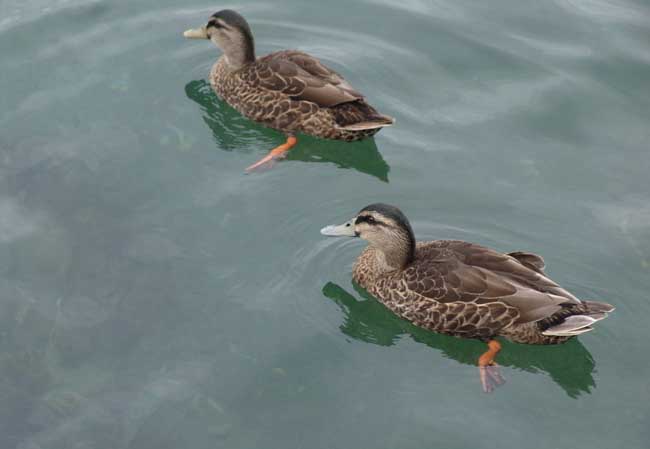
The wild duck is a typical representative of waterfowl. In the narrow sense, wild duck refers to the mallard, also known as the big green head, big red-legged duck, big hemp duck, etc. It is the most common large wild duck and the ancestor of all domestic ducks except the Muscovy duck, and is currently the main target of artificial domestication. There are many kinds of wild ducks, about 10 species in China, and each species is distinguished mainly by the plumage of the male duck. At present, the main species of wild duck raised artificially at home and abroad is the mallard.
Mallard
The mallard is the most common relatively large wild duck. The domesticated mallard has strong disease resistance, a high survival rate, wide adaptability, good gregariousness, diverse feeding habits, and is easy to raise; it also has the advantages of low feed consumption and a short raising cycle. Farmed mallards are large individuals, but fat without being greasy, with tender and delicious meat, rich nutrition, and a strong gamey flavor. They have always been regarded as a top-grade game meat and are renowned at home and abroad.
Northern pintail
The head is dark brown, the sides of the neck and the underparts form a bright white, the speculum is dark copper-green, and the central tail feathers are elongated.
Eurasian teal
Small in size, the speculum is metallic green, the head is dark chestnut, and there are green patches on both sides.
Baikal teal
The down on the neck and under the tail is black, the sides of the face are brownish white, black streaks run through below the eyes and at the base of the neck, and the speculum is copper-green.
Falcated duck
The crown is chestnut, the crest feathers on the sides and back of the head are copper-green, the throat is pure white, there is a black collar on the front of the neck, and the body plumage is grayish.
Eastern spot-billed duck
The plumage is brown, the upper bill is black with a yellow patch at the tip, and the speculum is purple-blue.
Gadwall
The upperparts are mostly dark grayish brown, mixed with wavy white lines, the breast is brown with crescent-shaped white lines, the belly is grayish white, and the speculum is black and white.
Eurasian wigeon
The crown is brownish white, the head and neck are mostly chestnut red, the back is grayish white with dark streaks, and the speculum is dark grayish brown.
Garganey
The crown and throat are blackish brown, with a white eyebrow stripe, and the speculum is grayish green.
Northern shoveler
The front end of the bill is expanded into a spatula shape, the head and neck are blackish purple, the breast is white, the speculum is green, and the belly is reddish brown.