A Detailed Guide to the Prevention and Treatment of Duck Viral Hepatitis, a Must-Read for Duck Farmers
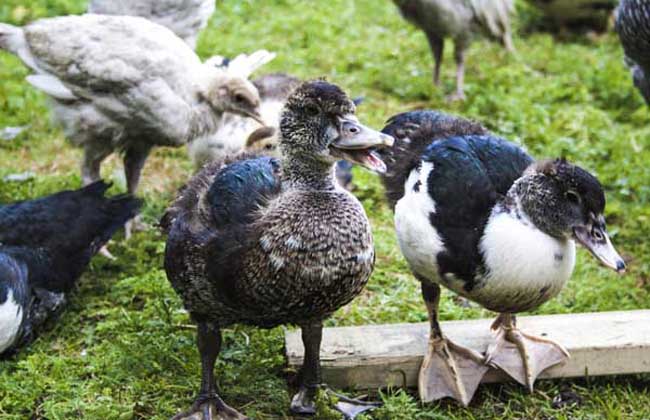
Duck viral hepatitis is an infectious disease of ducklings caused by duck hepatitis virus, characterized by rapid spread and high mortality. Its main features are an enlarged liver, bleeding spots, and neurological symptoms. In newly affected areas, the mortality rate of this disease is very high, reaching over 90%. Let us take a look below at the prevention and treatment methods for duck viral hepatitis!
Causes of Duck Viral Hepatitis
Duck viral hepatitis mainly occurs in ducklings aged 4 to 20 days. Adult ducks are resistant, and chickens and geese cannot develop the disease naturally. Sick ducks and virus-carrying ducks are the main sources of infection, and transmission occurs mainly through the digestive and respiratory tracts. Poor feeding and management, a lack of vitamins and minerals, and damp, crowded duck houses can all promote the occurrence of this disease. The disease occurs during the duckling hatching season, and once it appears, it spreads very quickly among duckling flocks, with a morbidity rate reaching 100%.
Symptoms of Duck Viral Hepatitis
1. The incubation period of duck hepatitis is 1 to 4 days, with sudden onset and a short course. In the early stage of the disease, the duck is listless, does not eat, moves sluggishly, tucks its neck, has drooping wings, and keeps its eyes half-closed in a comatose state; some develop diarrhea.
2. Ducks with duck hepatitis show neurological symptoms, restlessness, loss of coordination, falling to one side, and spasms of both legs, dying within a few hours. Before death, the head bends backward in an opisthotonus posture. The mortality rate of duck hepatitis varies with age: it can reach as high as 95% in ducklings within 1 week of age, less than 50% in ducklings aged 1 to 3 weeks, and basically no deaths occur in young ducks aged 4 to 5 weeks.
3. On necropsy, the characteristic lesions are seen in the liver. The liver is enlarged, yellow-red or mottled, with bleeding points and bleeding patches on the surface; the gallbladder is enlarged and filled with bile. The spleen is sometimes enlarged, and its appearance is also similar to the mottling of the liver. Most kidneys are congested and swollen. The heart muscle looks as if it has been cooked. Some cases of duck hepatitis have pericarditis, and the air sacs contain a slightly yellow exudate and fibrinous flakes.
Prevention and Treatment of Duck Viral Hepatitis
1. Comprehensive measures: Strict isolation rearing should be adopted for ducklings, especially ducklings within 5 weeks of age; appropriate amounts of vitamins and minerals should be provided, and drinking water from open ponds where wild waterfowl live is strictly forbidden. Hatching, brooding, growing, and fattening should all be strictly separated, and feeding and management equipment should be cleaned and disinfected regularly. For ducklings that hatch in the early stage of an outbreak or after a hatchery has been contaminated, immediate injection of hyperimmune serum (or yolk) or serum from recovered ducks, 0.3 to 0.5 ml per bird, can prevent infection or reduce mortality.
2. Vaccination: Injecting breeder ducks intramuscularly with attenuated chicken embryo vaccine 2 to 4 weeks before collecting hatching eggs can protect the ducklings hatched from the eggs laid from infection. The specific method is to inject the female ducks twice in the breast muscle at an interval of 2 weeks, 1 ml each time. Ducklings can also be vaccinated by intramuscular injection, intradermal puncture of the foot web, or aerosol spray, all of which can effectively prevent this disease.
① Introduce breeding stock from healthy chicken flocks and strictly implement disinfection systems.
② Immunize with duck viral hepatitis type I attenuated vaccine. For adult ducks, inject 1 to 2 doses per bird intramuscularly half a month before laying; in the middle of the laying period, inject 2 to 4 doses per bird intramuscularly. For ducklings, inject 1 dose per bird subcutaneously at 1 day of age or 7 days of age. In affected areas, chicks can also be injected subcutaneously at 1 to 2 days of age with DVH-1 hyperimmune yolk fluid or hyperimmune serum for passive immunization.
③ Once this disease breaks out, immediately isolate the sick ducks and thoroughly disinfect the duck house or water area. For affected duckling flocks, inject standard DVH-1 hyperimmune yolk antibody for treatment, 1 to 1.5 doses per bird, while also paying attention to controlling secondary infections.
④ For duck flocks poorly controlled by standard DVH-1 attenuated vaccine or antibody, after ruling out poor quality of the vaccine and antibody and concurrent infections, the virus should be isolated and identified, the situation of DVH-II and III infections and DVH-1 variant strain infections should be investigated, and local strains should be used to prepare vaccines and antibodies for prevention and treatment.