Detailed Explanation of Key Technical Points and Methods for Brooding Muscovy Ducks
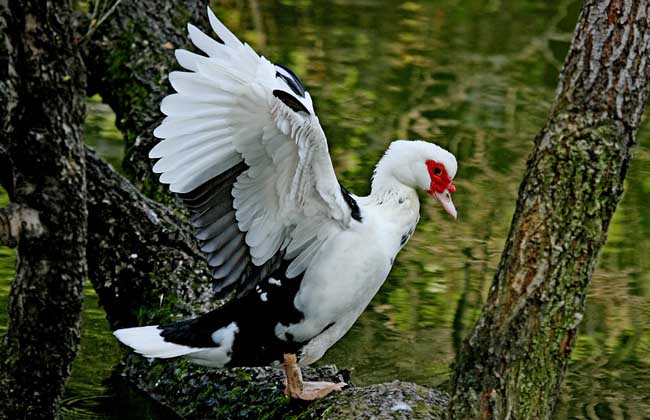
The Muscovy duck, scientifically named the warty-faced duck, is commonly known as "huoya" in the south and "huoyan" in the north. This species originated from the American Muscovy duck and was later introduced to the Yunnan-Guizhou Plateau of China, where it has reproduced to this day. In the southern mountainous areas of Guizhou Province, China, there lives a strange duck that the locals call "huoya," also known as the hanbao duck, a rare and precious specialty poultry. Because of its large body, abundant meat, and gamey flavor, it is deeply favored by consumers. The Muscovy duck has high value for meat, medicinal use, and ornamental purposes. It has low rearing requirements and strong disease resistance, making it relatively easy to raise successfully. It has the effects of nourishing yin and strengthening yang, protecting the liver and benefiting intelligence, and eliminating disease and improving fitness. It also features a high egg-laying rate, rapid reproduction, tolerance of coarse feed (mainly grass-eating), and suitability for dry and confined rearing. It is a new and promising type of poultry. Brooding duck management takes about 15 days. The specific management methods are as follows:
Feeding
During this period, the ducklings do not eat much. We mainly feed them some coarse feed with finer particles, once a day, at 11 a.m., with the feeding amount set at 2% of their individual body weight.
Drinking Water
During the brooding period, drinking water is very critical. We had best use movable water troughs so that the water can be changed in time and the water can be kept safe and hygienic. After filling the troughs with water, simply place them directly inside the pen.
Sanitation and Cleaning
We must clean once every day to prevent the breeding of pathogens. When cleaning, clean every corner of the pen and flush feces and debris into the drain so that the pen stays free from contamination.
Disinfection
The indoor area must be disinfected every day. You can choose dichloroisocyanurate, mix it into a 500-fold dilute solution, and spray it evenly in the brooding room. The best time is after 5 p.m.
Temperature Regulation
During this period, we must keep the temperature at 28°C–30°C, which can be adjusted with heating lamps. The length of time the heating lamps are kept on should be decided according to the indoor temperature.
After our scientific management, about 15 days later, the brooded ducks can be transferred to outdoor areas and enter the management stage for commercial ducks. (At the end of the last tape there is this set of shots, using the ones of picking them into baskets and carrying baskets outward.)
Epidemic Prevention
It should be noted that before release for rearing, we must carry out one round of epidemic prevention work. You can choose the duck triple disease vaccine and inject the liquid into the base of the duck's thigh, with the dosage set at 0.2 milliliters per duck.
Stocking Density
Because Muscovy ducks reach market weight very quickly and do not need to be separated again during the rearing process, the stocking density this time should not be too low. Generally, a standard of 5–6 ducks per square meter is sufficient.