How should spot-billed ducks be raised to improve the survival rate?
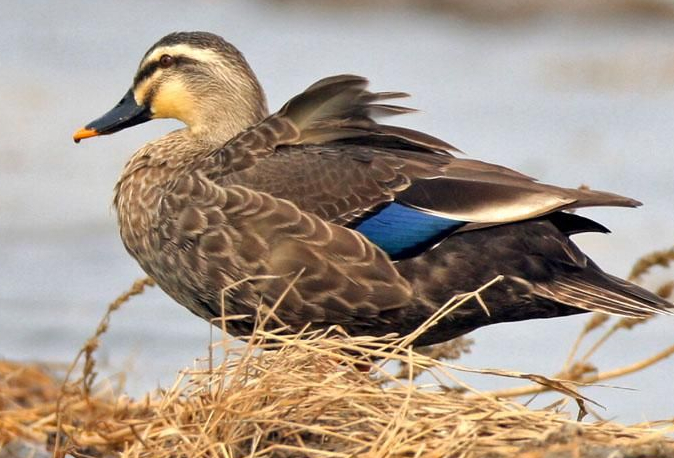
The spot-billed duck has the characteristics of a moderate body size, excellent meat quality and high reproductive capacity. In the wild state, spot-billed ducks hatch and brood their young naturally. In order to make full use of wild duck resources, protect the diversity of wild duck breeds and meet market demand, and because wild ducks are timid, eat a mixed diet and are good at swimming and flying, with strong resistance to adversity, the domestication and breeding of wild ducks must adapt to their biological characteristics and living habits, and the feeding and management during the brooding period in particular must be strengthened.
Maintain a suitable temperature
Ducklings are small, have short down and a weak ability to regulate body temperature. Temperature requirements for the brooding house: maintain 28-30°C at 1-3 days of age, 25-28°C at 4-7 days of age, 22-25°C at 8-14 days of age, and around 22°C at 15-30 days of age. Never let it become suddenly hot and cold.
Control the humidity of the duck house
Although wild ducks like water, they are extremely afraid of dampness inside the house. Therefore the duck house is required to be clean and dry, with a relative humidity of around 65% within 10 days of age and controlled at around 60% after 10 days of age. Ordinarily, the litter should be dried and changed frequently. During the plum rain season, special attention should be paid to the humidity inside the house.
Pay attention to the timing of water release
The first water release for wild ducks is generally 24-26h after hatching. A small sprayer (or watering can) can be used to spray a little water on the ducks' bodies. Starting at 2-3 days of age, water-bath training in a basin is carried out for going into water, once each in the morning and afternoon, about 5min each time, and the water temperature should preferably not be lower than 15°C. Starting at 7 days of age, release into a pond begins, 3-4 times a day, with each water release lasting 5-30min. Wild ducks have relatively high requirements for water quality, so the water in the pool should be changed frequently: within 7d, ducklings should have the water changed once a day, after 7d change the water once every 3-4d, and in the high-temperature season change the water once every 2-3d.
Feeding and management
Wild ducks have a miscellaneous diet and like to eat small fish, small shrimp, shellfish, worms, grains and aquatic plants, so the feed is required to be nutritionally complete and varied. First feeding is generally carried out about 15min after the first water release. For the first feed, partially cooked rice (which needs to be rinsed in clean water and drained) plus 10% glucose can be used. Crumbled pellet feed for meat-type chicks can also be fed directly. As age increases, gradually feed pelleted feed that is easy to digest, good in palatability, slightly fishy in smell and convenient for pecking. The crude protein requirement is above 20%, the metabolizable energy is 11.-12.7MJ/kg, and the calcium and phosphorus contents are 0.9% and 0.5% respectively. Ducklings' digestive function is not yet fully developed, so feeding should be done in small amounts and many times, and they should drink water before each feeding. For ducklings within 10 days of age, feed 5-times a day, including 2 times at night; at 11-20 days of age, feed 4-times a day, with 1-2 feedings at night; after 20 days of age, feed 4 times a day, with 1 feeding at night. Young wild ducks have the habit of liking to huddle together, and even when the temperature is suitable they like to gather in piles. To avoid crushing them to death or injuring them, young ducks should be managed in small groups. Generally, within 1 week of age, raise 25 birds per m2; at 1-2 weeks of age, raise 20 birds; at 2-3 weeks of age, raise 15 birds. Each group should preferably be about 5 birds. Within 2 weeks, night duty should be strengthened, and when huddling is found, they should be separated in time.
Disease prevention and pest control work
During the brooding period of wild ducks, in addition to doing a good job of daily hygiene and disinfection, the focus should be on the prevention and treatment of colibacillosis and immunization against avian influenza. Colibacillosis mostly occurs at 20-30 days of age, and drugs such as ciprofloxacin and gentamicin can be selected for prevention and treatment. The time for the first avian influenza vaccination is best determined after testing maternal antibodies. At the same time, rodent damage and other harms should be prevented so as to improve the survival rate.