What are the ways to save feed in meat duck farming
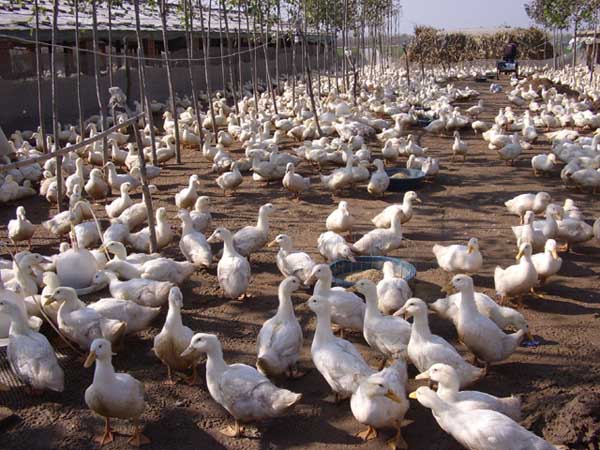
The breed raised must be excellent
Meat ducks of excellent breeds have higher genetic potential for production performance, fast growth, strong disease resistance, and high feed utilization; at the same age and consuming the same amount of feed, they gain weight much faster than meat ducks of degraded breeds.
The ambient temperature must be suitable
The suitable growth temperature for meat ducks is 12°C to 24°C; within this temperature range, ducks can fully and efficiently utilize feed. Therefore, conditions should be created as much as possible, such as keeping them housed in winter, sealing doors and windows, and building shelters for shade in summer to keep warm or cool down, so as to improve feed conversion.
The formulated daily ration must be balanced
Because all poultry "eat according to energy," when the energy level of the diet is high, feed intake is low; when the energy level of the diet is low, feed intake is high. Therefore, the ratio of protein to energy in meat duck feed must be balanced; otherwise, feed consumption increases and certain nutrients are wasted. For example, if the diet is low in energy and high in protein, the protein feed is consumed as an energy source and wasted.
Feed must be fresh and stored properly
First, the raw materials must be fresh. Second, the mixed feed should be mixed and fed frequently; after mixing, the feed should be stored in a ventilated, dry place away from light to avoid oxidation of fats in the feed and destruction of VA and VE. Place a layer of moisture-proof material between the feed and the ground to prevent the feed from caking and molding. Moldy feed easily causes poisoning, diarrhea, and other problems in meat ducks, thereby reducing feed utilization. In addition, feed warehouses and duck houses should be protected against insect pests and rodent damage.
Market them in a timely manner
It is more appropriate to market meat ducks at 40 to 48 days, because at this time the weight gain and feed conversion of meat ducks have reached their peak; after 50 days of age, the weight gain of meat ducks declines and feed conversion decreases.
Use additives reasonably
Nutritional additives such as minerals, vitamins, and amino acids are essential, and other non-nutritional additives also greatly help improve the growth rate and feed utilization of meat ducks. For example, probiotics, enzyme preparations, organic acids, polypeptides, and others have obvious effects on improving weight gain and feed utilization in meat ducks.
The form of the feed and the feeding method must be reasonable
Generally, do not feed raw grain; raw grain should be crushed and mixed into complete feed, and the particle size can vary according to the duck's age, but it should not be too fine, otherwise it easily scatters and causes waste. When adding feed, do not add too much at one time just to save effort.
The structure and height of the feed trough must be suitable
The structure and height of the feed trough must be suitable; in addition, attention should be paid to promptly repairing the feed trough to prevent feed leakage and waste.