Detailed Explanation of Key Technical Points for Duckling Rearing
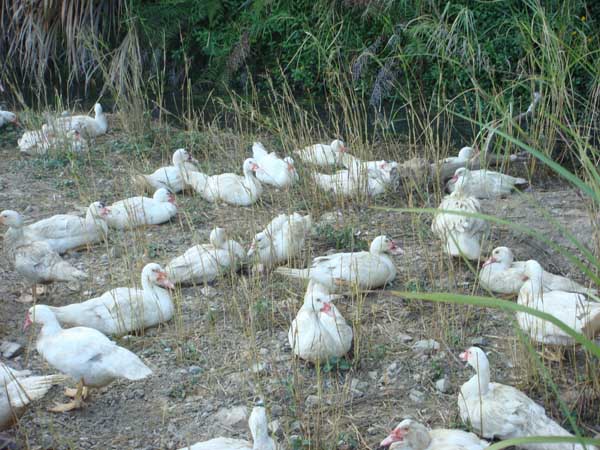
Understanding the Physiological Characteristics of Ducklings
Ducklings mainly have three physiological characteristics: First, they grow and develop rapidly. Second, their body temperature regulation function is weak, making it difficult for them to adapt to the external environment. Third, their digestive organs are small in volume and their digestive capacity is weak.
Doing Good Preparation Work Before Brooding
First, prepare sufficient fresh, high-quality complete feed. Second, the brooding room, feeding utensils and necessary facilities must be fully equipped to ensure that every duckling can access feed and drinking water. Third, the brooding room, feeding utensils, etc. should be disinfected with 2% caustic soda solution, then rinsed clean with clean water after drying. Finally, fumigate and disinfect the brooding room.
Drinking Water First, Then Starting Feed
After hatching, ducklings have no sense of hunger. At 24 hours after hatching, the ducklings' down has dried, they are lively and active, often making “quack quack” sounds, and begin to move about and peck at each other. At this point, they should be given water first, then start feeding. If the ducklings are listless, with eyes half-open and half-closed, unwilling to move, then the optimal feeding time has already passed. If ducklings start feeding too early, it easily damages their digestive organs and affects their health; if they start feeding too late, nutritional supply cannot keep up, which is not conducive to growth and development. Therefore, the best time for ducklings to start feeding is between 14-24 hours after hatching. They should drink water first, then start feeding. Adding an appropriate amount of glucose or vitamin C to the drinking water can promote gastrointestinal motility, cleanse the gastrointestinal tract, promote metabolism, accelerate the absorption of residual yolk, improve appetite, and enhance physical constitution. If 1‰ potassium permanganate is added to the drinking water, it can also serve to disinfect the gastrointestinal tract.
Grasping Feeding Methods and Frequency
Ducklings have incomplete digestive function, so when feeding ducklings, do not give too much each time; feed only until they are six or seven tenths full. If fed too much at one time, it easily causes indigestion. Ducklings have small gastrointestinal capacity but fast digestion speed. If feeding frequency is too low, ducklings will remain hungry for a long time, which will affect their growth and development. For ducklings within 14 days of age under free feeding conditions, the ingested chyme can reach the duodenum in 5 minutes, defecation begins at 2 hours, and the digestive tract empties in 4 hours. If the feeding interval exceeds 4 hours, the ducklings will be in a hungry state. Generally speaking, the younger the ducklings, the less they eat per meal, and the more frequent the feedings. In the early brooding stage, feed small amounts frequently, feeding 6-8 times per day, plus 1-2 nighttime feedings, to encourage duckling activity.
Effectively Doing Good Insulation
Temperature is a major technical measure in raising ducklings. Only when the temperature is suitable will ducklings consume less body heat, grow and develop quickly, and have a high survival rate. At 1-3 days of age, 32-34°C; at 4-6 days of age, 28-30°C; at 7-10 days of age, 24-26°C; at 11-13 days of age, 20-22°C. The temperature should be gradually reduced, with daily temperature changes not exceeding 2°C. Under different climatic conditions, whether to raise or lower the temperature should be based on the ducklings' behavioral performance, trying to meet the ducklings' requirements for the optimal temperature. For example, when the temperature is too low, ducklings feel cold and will crowd together near the heat source to warm each other, often causing crushing injuries or death by suffocation; when the temperature is too high, ducklings move away from the heat source, pant with open beaks, and increase water intake; when the temperature is normal, ducklings are full of energy, lively, have a good appetite, drink a moderate amount of water, have glossy down, stretch their legs and backs, are evenly distributed, lie quietly without making noise, and eat, drink and excrete normally.
Rearing Density and Grouping
The rearing density of ducklings should be appropriate. If the rearing density is too high, it will cause the duck house to be damp and the air to be foul, leading to poor growth of ducklings and other consequences; if the density is too low, it wastes space, manpower and other resources, reducing efficiency. For brooding on wire netting, the more reasonable density is: 1-7 days of age, 25-30 birds per sq m; 8-14 days of age, 15-25 birds per sq m; 15-21 days of age, 10-15 birds per sq m; 22-28 days of age, 8-10 birds per sq m. For floor brooding, the density should be reduced by half. At the same time, note that density should be higher in winter and can be lower in summer. Reasonable grouping: raise them in groups of 200-300 birds each, and at the same time pick out small ducks, weak ducks and sick ducks for separate careful management.
Ensuring Ventilation and Air Exchange
Ducklings have vigorous metabolism. If the concentration of harmful gases such as carbon dioxide excreted by the ducks and ammonia and hydrogen sulfide produced by the decomposition of manure and residual feed is too high, it will harm the health of the ducklings, and in severe cases can cause ammonia poisoning and massive deaths. Therefore, the brooding room should be kept ventilated at all times, with reasonable ventilation and air exchange, to keep the indoor air fresh, remove excess moisture indoors, keep the duck house dry and clean, improve the living environment of the duck flock, and achieve the goal of promoting healthy and rapid growth of the ducks.
Doing Good Disease Prevention and Control
It is strictly prohibited to introduce ducklings from epidemic areas.
1. Do good disinfection: pay attention to the disinfection of duck sheds and the environment, as well as the scrubbing and disinfection of feed troughs and drinkers. Choose 2-3 different disinfectants and use them alternately to prevent bacteria from developing drug resistance.
2. Preventive medication: focus on preventing duckling Salmonella, E. coli, and Mycoplasma diseases. Use antibacterial drugs for prevention at 1-7 days of age, but be sure to use sensitive drugs.
3. Disease prevention: do good immunization work for duck plague, duck viral hepatitis, duck infectious serositis, and avian influenza vaccines. When injecting vaccines, add electrolytic multivitamins or vitamin C powder to drinking water or mix into feed. Antibacterial drugs should be discontinued for 1-2 days before and after vaccination.