Key Technical Points for Raising and Managing Mallard Ducklings
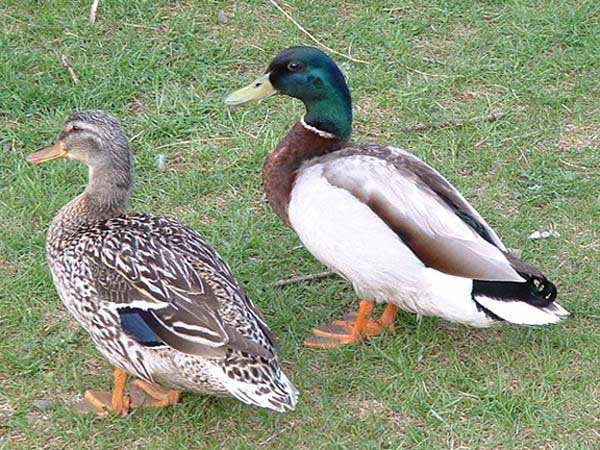
From hatching to 3 weeks of age is the brooding stage of wild ducks, and careful rearing and management should be provided according to the conditions necessary for the growth of the ducklings.
Selection and Transport of Ducklings
The physical condition of the ducks directly affects the results of brooding. Healthy ducklings hatch at the same time, develop normally, have glossy feathers, big and spirited eyes, well-contracted abdomens, and struggle strongly when held in the hand. Weak ducklings have dry feathers, unhealed navels, large abdomens and large navels, soft and weak legs, and are either overweight or underweight.
When transporting ducklings, each basket should hold 80-100 birds, with straw spread inside; cardboard boxes can also be used to hold the ducklings. In cold weather, a thin cloth or thicker covering should be put on top. If ducklings are found huddling together, they should be separated promptly. During transport, avoid sun exposure and rain. For buying ducklings from a distant place, it is best to use the "hatching egg transport" method. The timing of the start of incubation should be calculated well, so that the eggs ideally hatch right when they arrive at the destination.
Brooding Methods
Net-cage flat rearing brooding method. The net cage size is 150×80 cm. The bottom of the net is made of 1×1 cm welded wire mesh or laminated plastic mesh, the side netting is made of 1.5×1.5 welded wire mesh, and the cage body is raised with 40-60 cm high supports.
Ground flat rearing brooding method. Clean the ground and spread quicklime, then lay 8-12 cm thick litter, and use 60 cm high bamboo fencing to enclose a small pen of 2 sq m.
Various heat sources can be used for heating, following the principle of achieving the environmental temperature required by the ducklings.
Brooding Environment
1. Temperature: Temperature is the key to brooding. At one week of age it is 30-28°C, at two weeks of age 28-26°C, at three weeks of age 26-24°C, and after three weeks of age it can gradually shift to rearing at normal temperature. Whether in spring or summer, the nighttime temperature should be kept 1-2°C higher than the daytime temperature.
2. Humidity: During the brooding period, the relative humidity should be kept at 60%-65%. If humidity is too high, the feathers become damp, affecting normal heat dissipation of the ducks' bodies; if humidity is too low, dust is easily stirred up indoors, making the ducklings prone to respiratory diseases.
3. Ventilation: Because ducklings have a relatively high body temperature, breathe quickly, have vigorous metabolism, and produce a lot of excrement, combined with the relatively high room temperature, the air in the house becomes foul, so attention should be paid to regular ventilation to keep the air in the house fresh and clean.
4. Lighting: Sufficient lighting can increase the vitality of ducklings, stimulate appetite, help digestion, and keep the house warm and dry. If daytime lighting is insufficient, artificial supplementary lighting can be used. From 1-3 days of age, the brooding room should be lit day and night.
5. Density: At one week of age, net-cage rearing is 50 birds/sq m, and ground flat rearing is 30-40 birds/sq m; at two weeks of age they are 40 and 25 birds respectively. Raising ducklings in small groups gives a higher survival rate. Generally, 60-100 birds per group is suitable, and as age increases they can gradually be merged and raised in larger groups.
Feeding and Management of Mallard Ducklings
1. Feeding and Drinking Water
Ducklings should drink water first and then start feeding. After the ducklings enter the brooding house, first feed them 0.1% potassium permanganate water. Ducklings that have been transported over long distances need to be given 5% sucrose water, and the water temperature should be close to room temperature.
Before the ducklings enter the house, the floor of the brooding house should first be washed and disinfected with 10% limewater, and then disinfected by spraying with 1:300 Xundudi. The room should be warmed up 1-2 days in advance.
For start feeding, soaked rice grains can be used, or compound feed can be used. Spread the feed evenly on a plastic sheet to attract them to eat. When feeding, pay attention to giving small amounts and adding frequently, to prevent the feed from spoiling and deteriorating, which would affect palatability and nutritional value. At 1 week of age, feed 7-8 times a day, at 2 weeks of age feed 6 times, and afterward gradually reduce as age increases.
2. Training for Release into Water
When the weather is clear and the outdoor ambient temperature is around 20°C, ducklings should be released into water early, so that the wild ducks can adapt from an early age to the ecological environment of domestication and strengthen their physique. In summer, they can be released into water at 1 week of age, while in spring and autumn this can be postponed to 2-3 weeks of age.
Release into water is carried out after start feeding. The first release into water is slightly shorter, generally 15-20 minutes, and afterward the number of releases and the time are gradually increased. After release into water, let the ducklings preen their feathers dry on the grass, rest for a while, and then drive them back to the duck house.