Repotting succulents is not always a good thing; choose the right time and you will never worry about failing to grow them beautifully
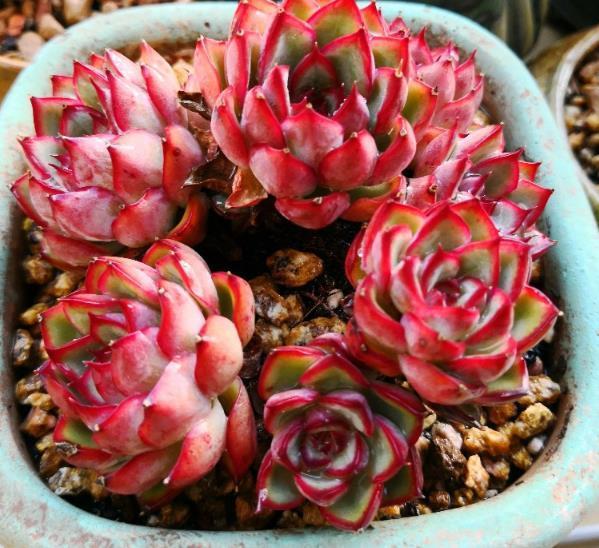
To give succulents more living space, repotting is not a universal solution; repotting also has two sides, and if you do not understand it, it can easily harm the plant. The benefit of repotting: through repotting, you can move the plant into a brand-new environment to grow, with more living space and more nutrients absorbed, which has a promoting effect on it. That is why most plants grow better after repotting.
The risks of repotting succulents: for any plant, as long as the roots are disturbed and the soil is changed, it must re-establish itself before it can resume growth and adapt to the new environment. During this period the plant is very fragile, and you must pay extra attention to the growing environment. After repotting, if external conditions are unsuitable, such as high temperatures or cold, it will affect its survival and may even directly kill it. In any case, absolutely do not repot it during the high-temperature period of midsummer. If it encounters high temperatures after repotting, this will not only affect its re-establishment but also make it die faster.
Generally speaking, we choose spring to repot succulents. Other seasons are also possible, of course, but spring is more suitable, and summer is the least suitable, because in spring the temperature rises and daylight hours grow longer, making it the golden period for succulent growth. After a year, some succulents have grown considerably in both the plant and the roots in the soil. At this time you can repot and change the soil for the succulents, replanting them in a slightly larger pot.
If succulent leaves still look dry and withered after watering, you should consider whether repotting is needed. When the plant grows too vigorously and leaf moisture evaporates too quickly in the morning, if the pot is too small and the water-retaining medium is too little, it is very easy for the plant to be short of water less than half a day after watering. This situation is most common in seasons with blazing sun, high temperatures and strong wind. You can improve it by pruning overly dense leaves, changing the soil medium or moving the plant into a larger pot.
So how exactly should you repot succulents correctly? After washing the soil off the roots, the soil may very likely contain some insect eggs or bacteria. When washing the roots, do it gently and do not damage the roots. If you choose to rinse them, do not turn the faucet on too strong and do not rinse forcefully, as this will cause great damage to the roots. Just until you can see the white main roots. In the three to five days before repotting succulents, be sure to remember not to water them. When repotting, tip the plant out from the bottom of the pot, shake off the soil clinging to the roots, and cut off all the withered roots, rotten roots and dead roots. Just keep the robust, highly absorbent roots.
When you give succulents a suitable growing environment and proper management and maintenance, but the plant still grows slowly, you can check whether the pot is too small, causing the roots to become tangled, or whether the soil medium has deteriorated and caused poor root growth. You can improve it by changing the medium and transplanting it into a new pot. When repotting, you can place the succulent in the center of the flowerpot, then leave a distance of preferably two to three cm from the edge of the pot. Gently press the soil surface with your fingers and sprinkle some fungicide on the surface layer of the soil. Just let the soil have a little moisture, which will help new roots sprout. Do not expose it to strong sun; keep it ventilated, and even more importantly, do not water it.
This is a gathering place for succulent lovers, sharing succulent care tips. You are welcome to follow and exchange ideas.