You Can Grow Succulents on Wood Too? Such Planters Are Truly Unique
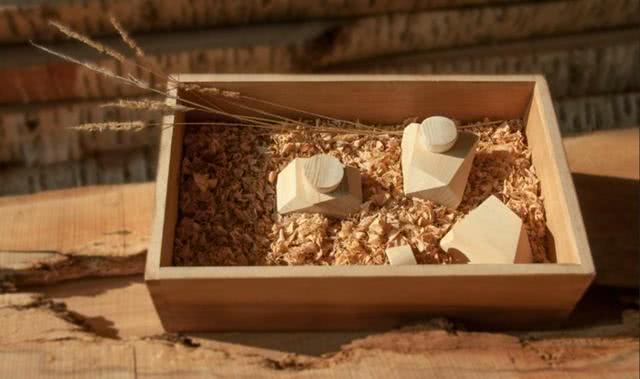
I believe many friends have had quite a bit of experience with growing succulents. Besides the ornamental appeal brought by their delicate appearance, they also offer certain benefits for the environment. The common succulents are usually grown in ordinary flower pots and other containers, but today I will show you how to use wood to grow succulents. You may all be confused, so read on with this question in mind.
When it comes to a piece of discarded dry wood, I believe everyone would surely turn up their nose at it. Actually, that is not the case. Usually we choose dry, dead wood with good water permeability as the raw material. There are quite a few choices of wood, such as dry wood, driftwood, and even some suitably shaped tree stumps can all be used as containers for succulents. The size and shape of the container can be chosen according to your own preference, but you must take actual conditions into consideration, such as whether the plant is well compatible with the wood, and so on. This can also save you a lot of trouble, otherwise you may very well have to change the wood several times before you can finish planting.
After preparing the wood you need, the first thing to do is to thoroughly wash the wood clean and remove some of the stubborn impurities, otherwise it may very well affect the growth of the plants. In addition, it is best to disinfect it to a certain degree, because for most rotting wood, the bacteria it contains are beyond your imagination. This can also do a good job of resisting all kinds of diseases that may appear during the growth of the plants.
Then comes a certain amount of processing of this piece of wood. You can carve it according to the way you like. No matter what your final product looks like, it must have certain grooves, because we need to fill in a certain amount of soil inside for the plants to grow in. The size of the grooves can be determined according to the size of the plants you are growing, and the depth must be handled well, otherwise water seeping into the wood can easily cause leakage. At the same time, when processing the wood, try to make the surrounding scars relatively smooth, which is more conducive to the smooth development of the plants.
After finishing the processing of the wood, what needs to be considered is the soil for the plants. Because the materials of wood differ, the choice of soil may vary, but the most suitable soil for us to choose is neutral to slightly acidic soil. Such a pH value will not do too much harm to the wood, and the degree of corrosion is very low. Otherwise, a pH value that is too high or too low will greatly affect the durability of the dry wood, and it is very likely that while the plants are growing, the wood will rot away.
Because wood retains water quite well, watering the plants still has to be done according to the actual situation. If the wood is relatively dry, then you can water it appropriately. Of course, when the summer weather is hotter, not only do you need to water more, but at this time the succulent planter must also be moved to a cool place to grow.
The last thing to tell everyone is that when choosing dry wood as a container for succulents, when adding fertilizer, the fertilizer must be fully diluted before it can be applied, and the amount applied each time should be smaller. A large part of the nutrients the plants take in can be obtained through the soil. Of course, besides the points to note above, there are also many uncertain factors that appear in actual operation, and everyone has to improve them step by step, so that you can grow the effect you want.