How to Improve Duckling Survival Rates? Master These Key Breeding Points
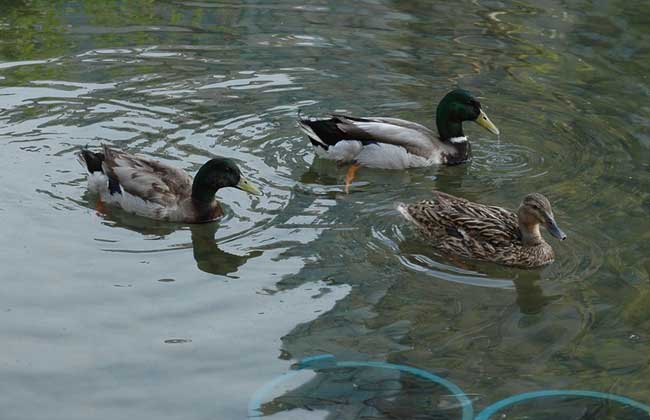
In the process of raising ducklings, to improve their survival rate, we can achieve this through three measures: regulating temperature and humidity, timely drinking and feeding, and reasonable density and ventilation. Below we will introduce these three measures in detail.
Regulation of Temperature and Humidity
Ducklings have poor body temperature regulation. When the ambient temperature is below 26°C, they are prone to respiratory diseases or death from crushing and huddling; if the temperature is too high, ducklings are susceptible to dehydration and illness. The most suitable temperature for brooding is: 31-29°C in the first week, then decreasing by 1-2°C each week thereafter. During the brooding period, the relative humidity in the house should be 60%-70%.
Timely Drinking and Feeding
After ducklings hatch for 24 hours, they should first drink water, then start eating. After the ducklings enter the house, they should only drink water once they are calm. The water temperature should be 30°C, with 2000 units of gentamicin added per duck. After half an hour, provide water with 50% glucose and 0.1% vitamin C to help clean the ducklings' digestive system and expel meconium. After 5 hours, switch to cooled boiled water. Always keep the drinking water clean and hygienic, and supply it adequately. After drinking water, ducklings will show signs of wanting to eat, and at this point they can begin feeding. Feeding should be at fixed times, with consistent quality and at fixed locations, with frequent inspection of the house and frequent observation, forming a fixed management routine.
Reasonable Density and Ventilation
The suitable density for brooding ducklings in spring is: 35-30 birds per sq m at 1-2 weeks of age, 25 birds per sq m at 3-4 weeks of age, 15 birds per sq m at 5-6 weeks of age, and 12 birds per sq m at over 6 weeks of age. Ducklings often huddle together while resting. If the temperature is too low, huddling becomes more severe, which can easily cause death, injury, or “sweating” and chilling. Once huddling is observed, immediately separate and disperse them, adjust the house temperature, and replace damp bedding. When there are many ducklings, they should be raised in groups. Each group of ducklings should preferably be 250-300 birds, separating ducklings that differ greatly in size and strength. Every day around noon when sunlight is abundant, open doors and windows for ventilation to improve the environment inside the house.