What are the common diseases of ducks? A detailed guide to prevention and treatment methods
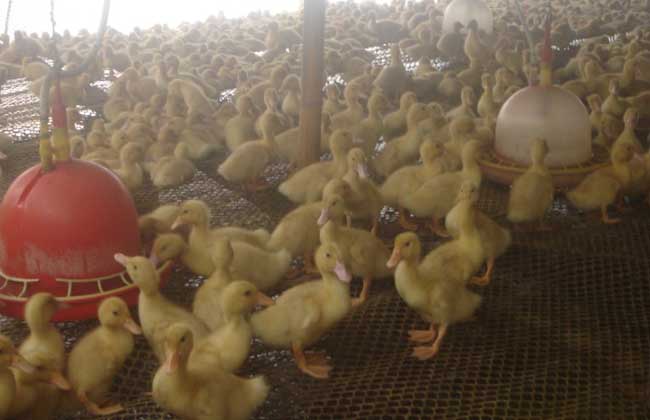
The common diseases in duck farming include fowl cholera, duck viral hepatitis, duck colibacillosis, duck plague and several others. Farmers should have a certain understanding of the prevention and treatment methods for these diseases.
Fowl cholera
Fowl cholera currently occurs mainly in sporadic outbreaks, but sometimes appears as local epidemics. Duck cholera mostly occurs in older ducks.
[Characteristics] Rapid onset, fast death.
[Prevention and treatment]
(1) Strengthen feeding management, reduce stress, and avoid feeding moldy feed.
(2) The pathogens of fowl cholera have multiple serotypes; use vaccines prepared from locally isolated strains for immunization and prevention.
Duck viral hepatitis
Duck viral hepatitis is an acute infectious disease of ducklings caused by duck hepatitis virus.
[Characteristics] Duck viral hepatitis often occurs in ducklings under 4 weeks of age. Ducklings aged 5 to 15 days are most susceptible. The earliest cases can occur in 3-day-old ducklings, and the younger the age, the higher the mortality rate. The mortality rate of ducklings within 1 week of age can reach over 95%.
[Prevention and treatment]
(1) Immunization with attenuated duck viral hepatitis vaccine gives good preventive results. Breeder ducks should receive the first immunization with attenuated vaccine one month before laying, and a second immunization 2 weeks later, with 1 ml injected intramuscularly each time; alternatively, 2 to 3 weeks before laying, immunize simultaneously with duck hepatitis oil-emulsion inactivated vaccine and attenuated vaccine; for ducklings without maternal antibodies to duck hepatitis, inject 0.1 ml per bird of 50-fold diluted attenuated vaccine subcutaneously at 1 day of age. For ducklings with maternal antibodies, inject 0.2 ml per bird of 50-fold diluted attenuated vaccine at 7 to 10 days of age.
(2) For affected ducks, anti-duck-hepatitis serum or hyperimmune yolk antibodies should be used for treatment as early as possible, injected subcutaneously or intramuscularly at 1 ml per duckling, along with appropriate antibacterial drugs to prevent secondary infection.
Duck colibacillosis
[Symptoms] The main clinical symptoms and pathological changes in affected ducklings are listlessness, decreased appetite or even complete loss of appetite, and yellow-white watery droppings. The characteristic lesions of Escherichia coli septicemia are pericarditis, perihepatitis and airsacculitis, with adhesion of the pericardium.
[Prevention and treatment]
(1) Duck Escherichia coli has many serotypes; use inactivated vaccines prepared from locally isolated strains for immunization and prevention.
(2) Escherichia coli readily develops drug resistance; screen effective drugs through drug sensitivity tests for treatment.
Duck plague
Duck plague is an infectious disease caused by duck plague virus, and mostly occurs in ducks after 20 days of age.
[Symptoms] Affected ducks show elevated body temperature, difficulty breathing, tearing, green watery droppings, and swelling of the head and neck, hence the name “big-head plague”.
[Prevention and treatment]
(1) Injection of duck plague vaccine is the only most effective measure for preventing and treating duck plague. Ducklings aged 7 to 10 days should receive the first immunization, with 0.5 ml injected intramuscularly; at 25 to 30 days of age, a second immunization with 1 ml injected intramuscularly, giving an immunity period of up to 6 months; laying ducks and breeder ducks should receive a third immunization before laying, with 1 ml injected intramuscularly, giving an immunity period of up to one year.
(2) At present there is no specific therapeutic drug for duck plague. Once the disease occurs in a duck flock, emergency vaccination with 5 to 10 times the dose of duck plague vaccine should be carried out immediately, and the outbreak can basically be brought under control within 5 days of vaccination. Early treatment with anti-duck-plague serum has a certain effect.