Precautions and Key Management Points for Raising Ducks in Rice Paddies
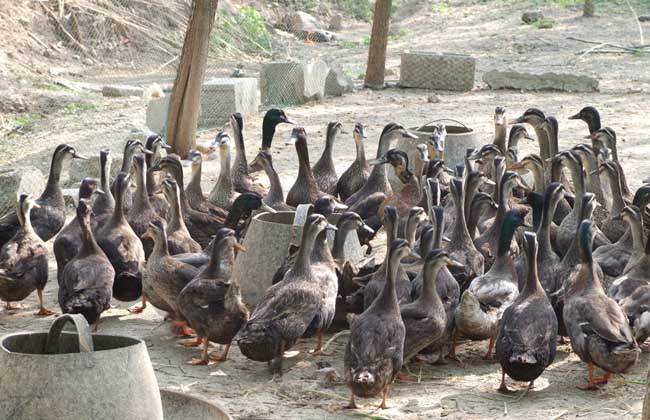
Rice paddy ducks have a wide range of activity, eat a varied diet, have glossy feathers, are strong-limbed, and sell well on the market; they regularly eat harmful insects, reducing insect damage to rice, lowering pesticide costs, and producing pollution-free rice and duck meat. The duck manure they produce fertilizes the fields, promoting rice growth, saving about 60 yuan per mu in fertilizer costs for rice cultivation, and increasing rice yields for an additional income of 30 yuan. The economic and ecological benefits are significant.
Brooding Stage
Farmers must pay close attention to controlling temperature and humidity, ensuring the complete immunization schedule is followed, and feeding a full-price compound feed, which results in a very high brooding survival rate. After one month of age, the ducks are mainly raised by ranging in the rice paddies, with appropriate supplemental feeding of concentrated feed at night. Through careful management, very good results have been achieved.
Preliminary Preparation
After the rice seedlings are transplanted, enclose the rice paddy on all sides to prevent weasels, cats, dogs, and others from entering. Also, build a simple shelter for the ducks in one corner of the paddy to protect against strong sunlight and heavy rain.
Duck Breed Selection
To prevent ducks from eating or crushing the seedlings, generally smaller-bodied ducks can be selected for rice paddy farming. If conditions permit, hybrid breeds of wild ducks and domestic ducks can be chosen, which yield better farming results.
Stocking Time
One to two weeks after transplanting, once the seedlings have established, 1- to 2-week-old ducklings can be released into the rice paddy for farming; whether day or night, the ducks live in the paddy continuously. In addition, since ducks like to eat rice ears, the ducks should be recalled from the paddy in time when the rice is heading.
Stocking Density
During early transplanting, stock 6-7 ducklings per mu of rice paddy; later on, generally stock 7-13 per mu.
Water Depth
The water depth in the rice paddy should be such that the ducks' feet can just touch the mud, allowing the ducks to fully tread on the mud during their activities; as the ducks grow, the water depth in the paddy is gradually increased.
Supplemental Feeding
To provide supplemental nutrition for the ducks and accelerate their growth rate, generally feed the ducks supplemental feed once a day; the supplement is mainly broken rice, rice bran, and wheat, or a mixed feed of corn and fish meal can be used, and duck compound feed can also be used.
Generally, ducks should be released into the rice paddy on clear days, and when pesticides are applied to the paddy, the ducks should be recalled in time to prevent poisoning. Rice and ducks grow and develop together in the paddy field, forming a mutually beneficial natural ecosystem. The ducks' continuous foraging and treading can reduce weeds in the paddy, and they eat planthoppers, leafhoppers, various stem borers, and other pests as well as small aquatic animals, which not only reduces the harm to rice growth from weeds, pests, and small animals, but also provides the ducks with a certain amount of high-quality feed; the droppings excreted by the ducks provide a large amount of organic fertilizer for the rice, promoting rice growth.