Prevention and Control Methods and Key Technical Points for Gosling Plague
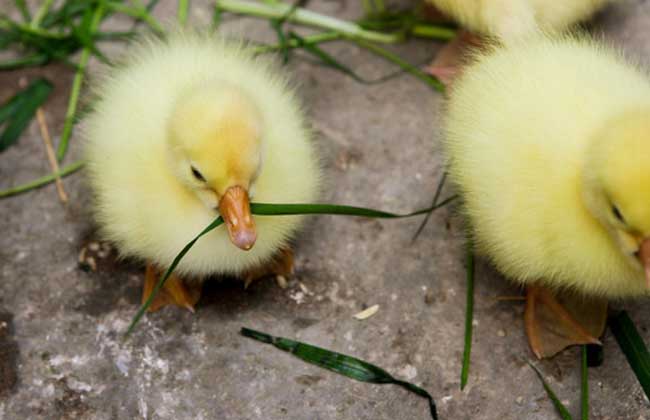
Gosling plague is an acute septicemic infectious disease of goslings caused by the gosling plague virus. The clinical features of diseased goslings are listlessness, complete loss of appetite, severe diarrhea, and sometimes neurological symptoms, with a high mortality rate, which has an enormous impact on thegoose farmingindustry. Doing a good job of preventing and controlling gosling plague is an urgent task. Let us take a look together at the prevention and control methods for gosling plague!
Pathogen of Gosling Plague
The pathogen of gosling plague is goose parvovirus, belonging to the family Parvoviridae and the genus Parvovirus. The virus is spherical, non-enveloped, with single-stranded DNA, and measures 20-22 nanometers. The virus exists in the internal organs, intestinal tract and intestinal contents of diseased goslings, and has strong resistance to acids, alkalis, temperature and the external environment. Research in serology, immunology, molecular biology and other aspects has proven that isolates from all parts of the country share the same antigenicity. Comparison of the VP3-encoding gene sequence of the vaccine strain isolated and developed in 1961 with that of a 1999 isolate showed 96% nucleotide homology between the two strains and 98% homology in the deduced amino acids, indicating that the vaccine prepared from the 1961 isolate has long-term application value.
Symptoms of Gosling Plague
1. Peracute type: The peracute type mostly occurs in goslings aged 3-10 days. Usually no prodromal symptoms are seen, and death occurs suddenly from septicemia, or after showing mental dullness for several hours the bird becomes weak, falls to the ground paddling its legs, struggles a few times and dies. The disease spreads rapidly and can spread through the whole flock within a few days.
2. Acute type: The acute type mostly occurs in goslings around 15 days of age. Diseased goslings show depression, reduced or complete loss of appetite, ruffled feathers, a drawn-in head and neck, standing dazed with eyes closed, separating from the flock and staying alone, unwilling to move, and slow in movement. Although they can feed along with the flock, the grass they pick up is not swallowed but dropped as soon as it is picked. The nostrils of diseased goslings discharge a serous nasal fluid that soils the area around the nostrils, and the sick geese shake their heads frequently; then water intake increases, and diarrhea gradually appears, with grayish-white or grayish-yellow watery droppings, often rice-paste-like and turbid with bubbles or fibrous fragments. The down around the anus becomes soiled, and the tip of the beak and the webs turn dark (cyanosis). A few diseased goslings show neurological symptoms such as neck torsion, convulsions, or paralysis before death. According to clinical observations, most goslings develop the acute type, with a disease course generally of 2-3 days; as the age of the diseased goslings increases, the course of disease gradually shifts to the subacute type.
3. Subacute type: The subacute type usually occurs at the end of an epidemic or in goslings over 20 days of age. Its symptoms are mild, mainly characterized by sluggish movement, swaying when walking, diarrhea, reduced feed intake, and slightly poor mental state. The disease course is generally 4-7 days, occasionally longer. A very small number of sick geese can recover on their own, but the goslings do not eat normally and their growth and development are severely hindered, becoming "stunted geese."
Prevention of Gosling Plague
1. Disinfection: Disinfect the whole farm regularly (once a week is recommended). For bedding straw, feed troughs and the site, use Baidusha for spray disinfection. Dead and diseased geese must be deeply buried, treated with disinfectant powder (such as trichloroisocyanuric acid sodium, quicklime, etc.).
2. Introduction of breeding stock: Keep a good check on the introduction of breeding stock and introduce healthy geese. Prevent bringing back disease; those already introduced should be raised in isolation for observation.
3. Immunization: Breeding geese should receive their first immunization one month before the start of laying, that is, dilute the vaccine 20-fold with sterile normal saline and inject 1 milliliter per goose subcutaneously or intramuscularly. After an interval of 7-10 days, carry out a second immunization, diluting the vaccine 10-fold and injecting 1 milliliter per goose subcutaneously or intramuscularly. This enables the breeding geese to produce immune antibodies, so that the hatched goslings can acquire immunity.
4. Egg sorting: The incubation equipment, all utensils, and the interior and floor of the hatchery should be disinfected regularly, especially in areas where gosling plague is prevalent, where hatcheries should pay attention to disinfection. Eggs from immunized breeding goose flocks and non-immunized breeding goose flocks should be incubated separately to avoid "mixed eggs," which would give the hatched goslings different maternal antibodies and thus affect the immune effect of the gosling flock. Eggs from epidemic areas should have the dirt on the eggshell surface cleaned off before being placed in the incubator, then disinfected before incubation.
Treatment of Gosling Plague
1. Upon discovery of this disease, strict control and eradication measures should be taken in accordance with the provisions of the Animal Epidemic Prevention Law of the People's Republic of China to prevent its spread. Cull diseased geese and geese of the same flock, and bury them deeply or burn them. Goslings in threatened areas can be injected with antiserum for prevention. Contaminated sites, utensils, etc. should be thoroughly disinfected. Goslings in affected areas are prohibited from being transferred out or sold.
2. For affected goose flocks, gosling plague immune serum can also be used for prevention and treatment. Add 10% of a 2.5-5% sodium citrate solution to fresh blood from geese that have recovered from gosling plague, and inject it subcutaneously into the neck of goslings at 1.5-2.5 milliliters per bird, then inject once more after 24 hours; this has a good preventive and therapeutic effect. If diseased geese are infected with other bacterial diseases, each gosling should be injected intramuscularly with 1000-2000 units of gentamicin, once in the morning and once in the evening, and after 2 days continue using gentamicin for another 2-3 days.
3. Injecting goslings with anti-gosling plague serum for immunization is a key measure for preventing and controlling this disease. For goslings 1-2 days after hatching, inject 0.5 milliliters per bird subcutaneously, with a protection rate of about 95%. For goslings that have already developed the disease, inject 0.5-1 milliliter per bird, with a cure rate of 85%. When carrying out emergency prevention for diseased goslings, inject 0.5 milliliters per bird, with a protection rate of 90%. The purchased hyperimmune serum against gosling plague should be stored in a cool, dark place at 2-15°C, with a shelf life generally of one year. For goose flocks that have already developed gosling plague, you can try oral administration of virusling, 1-2 times a day, 1 tablet each time, which may have a certain therapeutic effect.