Prevention and Treatment Methods for Goose Cholera and Daily Preventive Measures
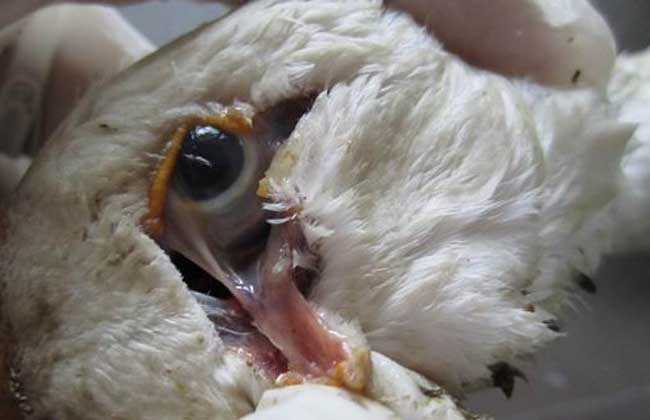
Goose cholera has been on the rise in China, and many farmers neglect prevention and treatment, causing serious losses. It is an acute septicemic infectious disease caused by Pasteurella multocida. Generally, growing geese and adult geese over 2 months of age are susceptible, but young geese can also be infected. This disease mostly presents with septicemia changes, manifested as severe diarrhea. If prevention and treatment are not timely, the mortality rate is 80%-95% or more, and devastating losses are not uncommon.
Symptoms of Goose Cholera
1. Peracute type: Mostly occurs in the early stage of an outbreak, with almost no visible symptoms before sudden death. Sometimes the goose flock appears normal, eating and drinking well during the day, only to be found dead in the shed the next day. Some suddenly fall to the ground, flapping their wings a few times before dying.
2. Acute type: Symptoms are relatively typical, with body temperature of 43-44°C, reduced appetite or no eating, increased thirst, depression, neck retracted and eyes closed, ruffled feathers, standing apart from the flock in a daze, often with severe diarrhea, yellow-green or gray-white feces, difficulty breathing, and death after coma in the later stage. The course of disease is half a day to 3 days, with a mortality rate above 80%.
3. Chronic type: Mostly transformed from the acute type, manifested as chronic inflammation of the respiratory and digestive tracts. Sick geese show emaciation, anemia, swollen sinuses, inflamed and swollen joints, lameness, and often lie on the ground unable to get up. The course of disease can last for several weeks, with a low mortality rate, but development is stunted and production capacity declines.
Prevention of Goose Cholera
1. Keep the goose shed dry, ventilated, and airy at all times. Replace bedding with sun-dried, sun-exposed dry bedding every 3-5 days.
2. Take cold-proof and cooling measures during sudden climate changes.
3. Feed supply should not be changed abruptly, and vitamins and minerals should meet the needs of growth and development.
4. Drinking fountains and feed troughs should be rinsed daily with 2% sodium hydroxide solution and then washed with clean water. The goose shed, ground, and equipment should be regularly cleaned and disinfected with 5% lime water or 1% bleaching powder solution.
5. Isolate and treat sick geese promptly and disinfect the goose shed properly. Carcasses of dead geese should be deeply buried promptly with strict disinfection.
6. Use 1010 fowl cholera attenuated vaccine, dilute with water according to the instructions, then provide it to geese for drinking at multiple points, or add an appropriate amount of corn flour to the drinking water to make a thin porridge consistency, and let the geese finish it within 2 hours. The immune period can reach 8 months.
7. Use the VC strain fowl cholera attenuated freeze-dried vaccine, dilute 100-fold with aluminum hydroxide gel water, and inject 0.5-1 ml subcutaneously into the neck of each goose, repeat once after two weeks. The immune period can reach 3 months.
8. For emergency prevention and treatment, inject 3-5 ml of anti-fowl cholera hyperimmune serum subcutaneously, repeat once every other day. It has preventive and early treatment effects.
Treatment of Goose Cholera
1. 10% sulfadiazine can be injected intramuscularly, 0.5-1 ml per kilogram, twice a day, for 2-3 consecutive days, with an efficacy rate of over 95%.
2. Sulfadimidine powder, mixed into feed at 0.5%-1% and fed, for 5-7 consecutive days, with remarkable results.
3. Diaveridine mixed into feed at 0.3%-0.5% and fed orally, for 5-7 consecutive days.
4. Penicillin 50,000-100,000 units intramuscularly, 2-3 times a day, for 3-4 consecutive days, with an efficacy rate over 85%.
5. Streptomycin 100,000-200,000 units intramuscularly, 2-3 times a day, for 3-4 consecutive days.
6. Oxytetracycline powder mixed into feed at 0.05%-0.1% and fed, or each young goose fed 0.15-0.3 g per day, for 2-3 consecutive days, or intramuscular injection of oxytetracycline at 25 mg per kilogram, twice a day, for 2-3 consecutive days, with an efficacy rate over 96%.
7. Wild chrysanthemum 60 g, gypsum 15 g, add 250 ml of water and boil, after cooling administer 2 tablespoons per goose each time, 3 times a day, for 2-3 consecutive days, with an efficacy rate of over 90%. If this medicinal liquid is diluted 50% with water and given to geese regularly for drinking, it can prevent the occurrence of this disease.
8. Raw tinglizi (Semen Lepidii) powder mixed with an appropriate amount of warm water and administered each time, 2 g per goose, 3 times a day, for 2-3 consecutive days, with good results. It can also be mixed into feed at 2 g per goose each time and fed, for 3 consecutive days.
9. Huoxiang (Agastache rugosa) 30 g, Huanglian (Coptis chinensis) 30 g, Dahuang (Rheum officinale) 30 g, Cangzhu (Atractylodes lancea) 50 g, Huangqin (Scutellaria baicalensis) 30 g, Wumei (Prunus mume) 60 g, Houpo (Magnolia officinalis) 60 g, Huangmei 30 g, Banlangen (Isatis indigotica root) 80 g. Except for Dahuang and Wumei which are ground into powder and wrapped separately, the remaining herbs are ground together into fine powder, then mixed into feed and fed, 2 g per goose each time, twice a day, for 2-3 consecutive days, with an efficacy rate over 95%. At the early stage of disease, use Dahuang without Wumei; if diarrhea has lasted more than 3 days, use Wumei without Dahuang.
10. Garlic, Daqingye (Isatis indigotica leaf), and Yimucao (Leonurus japonicus) are decocted in water, then the garlic is mashed into a paste and mixed with the herbal residue into feed for feeding, 1 dose per day, 1 dose each in the morning and evening, for 3-5 consecutive days, with an efficacy rate over 96%. ⑾ Dried Chuanxinlian (Andrographis paniculata) 90%, dried Jineijin (chicken gizzard lining) 8%, dried Gancao (licorice) 2%, all dried and ground into powder. Young geese are given 1-2 g per bird each time, adult geese 2-3 g, administered orally or mixed into feed, twice a day, for 2-3 consecutive days.