Detailed Explanation of Key Technical Points for Raising Laying Geese in Autumn
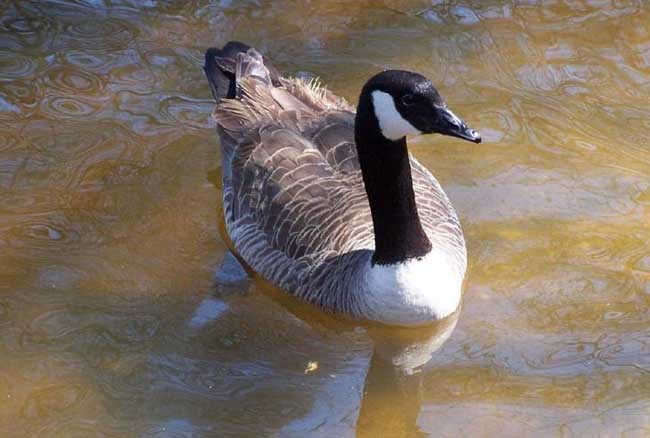
Autumn is a high-yield season for laying geese. Scientific rearing methods can increase the egg-laying rate of laying geese, thereby effectively improving the economic benefits of raising laying geese. So do you know the scientific feeding techniques for laying geese in autumn? Today, the editor of Qiannong Network will briefly introduce the autumn rearing techniques for laying geese!
Autumn Feeding and Lighting Management for Laying Geese
1. Feeding management: During the laying period, geese should mainly be kept in housing, with grazing as a supplement. The diet ratio is roughly 60%-70% grains, 10%-15% cakes, 10%-15% bran, 10%-15% filler (grass meal), and 4%-5% mineral feed. As for the feeding amount, in addition to free access to green feed, large goose breeds should be fed 150-180 grams per goose per feeding, and small goose breeds 100-130 grams, fed 3 times a day. Feeding should be done at fixed times and in fixed amounts, with coarse feed first and fine feed later. In the morning, graze until 10 o'clock, then return to the house for feeding. After feeding, rest in a shady place by the water and provide green feed. Feed once at 2 p.m., graze 1 hour later, and feed a third time after returning to the house at dusk.
2. Lighting management: During the laying period, the lighting time for geese should not be less than 13 hours per day, and during the peak laying period, 15-16 hours of light should be maintained.
Autumn Grazing Management for Laying Geese
1. During the laying period, female geese move slowly, so when grazing they should only be allowed to follow along and must not be driven hastily. Try to avoid slopes and uneven roads as much as possible to prevent intra-abdominal and oviduct bleeding that could lead to peritonitis, etc. Collect breeding eggs promptly. During grazing, if some geese show signs of laying, such as being unwilling to follow the flock, calling loudly, acting restless, or looking for a nest, they should be promptly driven back to the house or carried back to the goose shed to lay.
2. Based on the characteristic that geese are mainly active in feeding in the early morning and at dusk, the flock should be grazed by going out early and returning late. When they are about 80% full, they should be driven to a water source to drink and splash in the water. In hot weather, the frequency and duration of water play should be increased. Before grazing, make sure the grazing land and water source are not polluted by pesticides, and at the same time, grazing on grassland, stubble fields, and plot fields should be rotated in a planned way.
Disease Prevention and Control Measures for Laying Geese in Autumn
The level of economic benefit of large-scale laying goose farming mainly depends on management, while the success or failure of farming depends on disease prevention. During the rearing process, the goose house should always be kept clean, the ground dry, and the air well circulated. At the same time, the rearing site and rearing equipment should be disinfected regularly or irregularly.
During the rearing process, if an epidemic is discovered, isolation and treatment should be carried out promptly, and dead geese should be deeply buried. Regular epidemic prevention and deworming should be conducted, and the flock should be injected with gosling plague vaccine, avian influenza vaccine, egg-laying goose cholera bacterin, etc., according to the immunization program, and a veterinarian should be regularly invited to check for and expel parasites.