What are the key technical points for the feeding and management of laying geese?
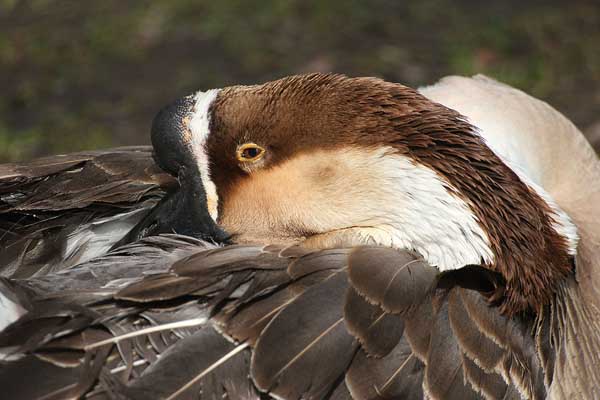
In the management of laying geese, during the laying period the female geese move slowly, so when grazing they should only be allowed to follow along and must not be driven hastily. Walk as little as possible on slopes and uneven ground to prevent internal abdominal and oviduct bleeding that can lead to peritonitis and other problems; collect breeding eggs promptly. During grazing, if some geese show signs of laying, such as being unwilling to stay with the flock, honking loudly, acting restless, or seeking a nest, they should promptly be driven back to the shed or carried back to the goose shelter to lay, and particular attention should be paid to observing female geese in the early laying stage to prevent laying eggs in the field or in water. During the laying period, the light duration for geese should be no less than 13 hours per day, and during the peak laying period 15-16 hours of light should be maintained.
During the laying period, geese should be mainly raised indoors, with grazing as a supplement. The approximate proportions of the daily ration are 60%-70% grains, 10%-15% cakes, 10%-15% bran, 10%-15% filler (grass meal), and 4%-5% mineral feed. As for the feeding amount, apart from free access to green feed, large goose breeds should be fed 150-180 grams per goose per feeding, and small goose breeds 100-130 grams, fed 3 times a day. Feeding should be at fixed times and in fixed amounts, with coarse feed first and fine feed later. In the morning, graze until 10 o'clock, then return to the shed for feeding; after feeding, rest in a shaded place by the water and provide green feed; feed once at 2 p.m., graze after 3 o'clock, and after returning to the shed at dusk, feed the 3rd time.