How to raise replacement breeding geese? Key points of feeding and management techniques
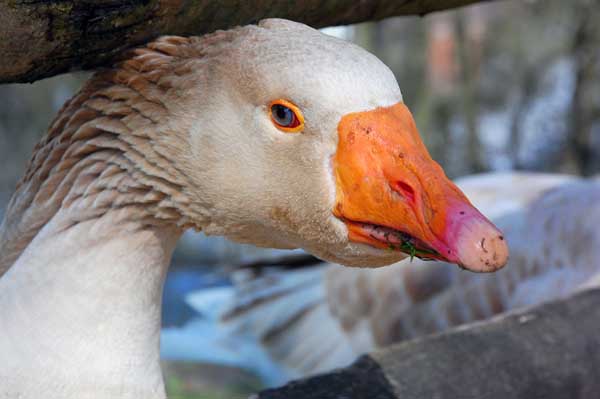
Male and female geese selected and kept for breeding are called replacement breeding geese. Whether replacement breeding geese are well selected and raised determines whether the quality of the whole flock can be improved and whether high-yield, high-quality hatching eggs can be obtained.
Selecting and keeping breeding geese
Select healthy male and female young geese that grow and develop well and conform to the characteristics of the breed to keep for breeding. Any geese with mixed feather color, flat heads, crooked tails, drooping wings, lame feet, blind eyes, or disease or weakness must be strictly culled and must never be kept for breeding. A male-to-female ratio of 1:4-6 is best.
Strengthen feeding
Although the growth rate of replacement breeding geese slows down noticeably, they are still in the period of growth and development and feather growth and molting, and they need a certain amount of nutrients to meet their needs. Therefore, they must not be fed roughage too early. They should go through a period of barn feeding until the second molt is complete, and only then gradually transition from concentrated feed to roughage and enter the roughage feeding period. Feeding can be divided into three stages:
1. Early stage (about 1-1.5 months): The newly selected breeding geese should be trained to form a flock, mainly with barn feeding combined with grazing. According to the quality of the pasture grass and the body condition of the goose flock, supplement 50-100 grams per day. The supplement for male geese should be larger. The feed should be mainly mixed feed, with green feed as a supplement.
2. Middle stage (about 2-3 months): Mainly grazing. When entering the full barn-feeding period, roughage should be the main feed, fed three times a day, at fixed times but not in fixed amounts. The feed is mainly blighted grain, grain bran, rice bran, wheat bran, corn stalk powder, soybean leaf powder, sugar beet leaf powder, sunflower head powder, tree leaf powder, and cornmeal, barnyard grass seeds, weed seeds, etc., mixed and soaked in water until soft before feeding. Breeding male geese generally begin roughage feeding at around 140 days of age.
3. Late stage (1-2 months): Gradually increase concentrated feed and reduce roughage, feed concentrated feed 2-3 times a day, make the feed mix varied, and pay attention to supplementing minerals and vitamin feed so the geese can eat freely, prompting the female geese to lay eggs quickly and lay more eggs.
Careful management
The goose house should be spacious and bright. Wash the feed troughs and water troughs daily and replace the bedding, keeping the bedding straw and the inside of the house dry. Keep the goose house quiet, sanitary, and in a good environment, strictly guard against cold and damp conditions, and pay special attention to keeping the goose house warm in winter. One month before the female geese begin laying, carry out gosling plague vaccination, and pay attention to the daily disease prevention work for the breeding geese.