What are the stages of meat pigeon rearing? A detailed explanation of the characteristics of each stage
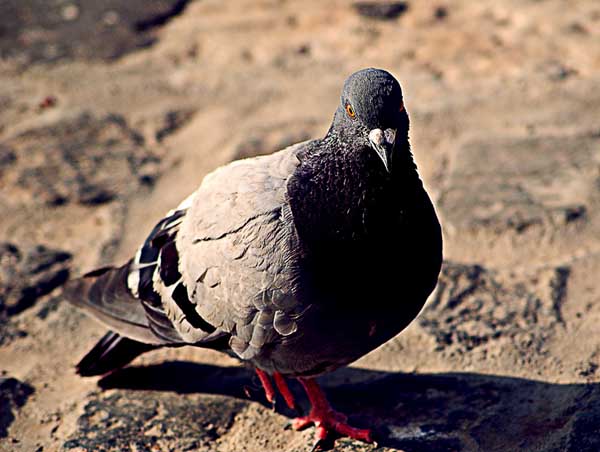
The lifespan of meat pigeons varies by breed and sex. Under normal circumstances, their lifespan can reach 10 to 15 years, with male pigeons living slightly longer than females. According to different growth and development patterns, the life of a meat pigeon can be divided into the following six stages.
Squab stage
Usually, from hatching to leaving the nest (4 weeks of age), young pigeons can only survive under the feeding of their parent pigeons, and the pigeon milk fed in the early feeding period is similar to the milk of mammals, so this stage is called the squab stage. This period is an important time for squabs to gradually adapt to the external environment, and it is also an important stage of rapid growth and development.
When newly hatched, the young pigeon has a soft body and cannot stand, its eyes are tightly closed, it has no ability to feed itself, and its body is covered only with partial down; its ability to regulate body temperature is very poor, and it can only grow and develop under the brooding and feeding of its parent pigeons. The characteristics of young pigeons during this period are a large food intake and rapid growth. According to the author's measurements: a 1-day-old young pigeon receives 7 grams of feed per day; by 3 days of age it reaches 18 grams; after 4 days of age, the daily amount fed is almost more than 1 times its body weight; a newborn young pigeon weighs only about 17 grams, at 1 week of age it weighs 160 grams, at 2 weeks of age it weighs 440 grams, and at 4 weeks of age it weighs more than 500 grams, which is 29.4 times the weight of a newborn young pigeon, increasing by almost one times its birth weight every day.
Young pigeon stage
From leaving the nest to before 6 weeks of age is the young pigeon stage. Pigeons in this period are relatively weak, susceptible to disease, and poor at flying and feeding, so rearing management should be especially strengthened, feeding 3 to 5 times a day, with more small-particle feed.
Juvenile pigeon stage
Usually 7 to 10 weeks of age is the juvenile pigeon stage. During this period, the pigeon's body weight changes little, it enters its first molting period, and its disease resistance declines, making it susceptible to infection. Management should be strengthened to prevent the occurrence of disease.
Sexual maturity stage
After 10 weeks of age, meat pigeons gradually enter the sexual maturity stage. This period varies due to breed and individual differences; at the shortest, they pair and enter the breeding period at 3 to 4 months of age, while at the longest, they still cannot pair and breed at 6 months of age. During this period, the pigeon's physique rapidly strengthens and the reproductive system develops faster. They begin to choose mates and pair.
Breeding stage
This period is the longest and most important period in the life of a meat pigeon. From the start of breeding after pairing to the decline of reproductive ability, it generally lasts 5 to 7 years, and the longest can reach as long as 10 years. During this period, all organs of the pigeon's body have matured, the physique is strong, and it is best able to give play to its production performance. Therefore, on the basis of maintaining the pigeon's health, its breeding value and economic value should be fully utilized as much as possible.
Old age stage
After the reproductive ability of meat pigeons declines, metabolic capacity, feed utilization rate and production performance gradually decrease, and they lose their rearing value. Except for a few outstanding individuals, they should be culled in a timely manner.