Jade plant can actually bloom - have you ever seen such a beautiful flowering jade plant?
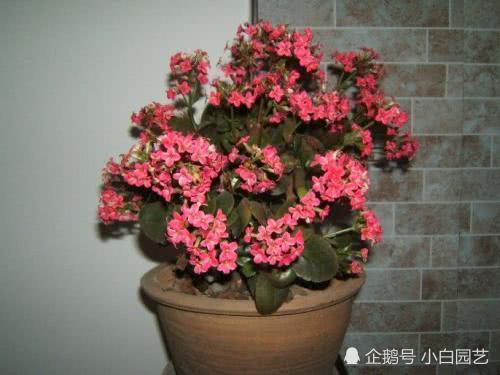
Today I want to tell you about something shocking: the verdant green jade plant can actually produce flowers! Let us explain it in detail.
Jade plant, also often called "glass green," but who has ever seen it bloom? Its plant is fairly plump, and its leaves are fresh verdant green, lush all year round, making it very beloved by home gardeners. However, many people who grow jade plants find that theirs only grow leaves and never bloom, so many people believe jade plants do not flower. In fact, this is not the case. If cared for well, getting it to bloom is still quite easy. Below we can look at what to do when it never blooms.
The branches and leaves of the jade plant are thick and fleshy, verdant green in all four seasons, with a stately plant shape and delicate pink flowers, giving it high ornamental value. It can be placed in the living room or on the balcony to decorate our home, making the room appear very elegant and fresh. But it is very difficult for us to grow a blooming jade plant. How do we get a jade plant to bloom? What should we pay attention to in our daily care and management of the jade plant?
How can we get a jade plant to bloom?
1. Light
The jade plant is a light-loving plant, and it should be placed year-round in a warm environment with ample light. This is the key factor for blooming, and it is very difficult for us to achieve this when growing it indoors. We can place the jade plant somewhere that receives sunlight all day long, letting it see sunlight as much as possible.
2. Protect against scorching sun and heavy rain
It is especially important to note that during the high temperatures of summer, be careful to guard against scorching sunlight and heavy rain pouring down, as this will cause the jade plant to drop its leaves. In winter, do a good job of keeping it warm to prevent the jade plant from frost damage.
3. Watering
The jade plant is a succulent, drought-tolerant, and should not be watered too much normally; water when dry and let it dry out between waterings, watering again only after it has dried completely. During the jade plant's growing season, about every 10 days it needs a try of a dilute liquid fertilizer containing nitrogen, phosphorus and potassium; it is best to apply light fertilizer, and by all means avoid it being too concentrated.
If you do the above points well, in mid-to-late November you can see flower buds at the tips of the jade plant's leaves, and from January to March of the following year you can see flowers blooming all over the branches.
Care and management of the jade plant
The jade plant is fairly drought-tolerant. Although watering about once a week can sustain its growth, this often causes the jade plant's leaves to wilt and drop. It is best, in the hot and dry summer season, to water once every three days. On cloudy and rainy days, promptly drain the accumulated water from the flowerpot; for indoor care, water according to how dry or moist the potting soil is, basically achieving "water when dry, let dry between waterings." In autumn and winter the weather is cool, so watering should be flexibly controlled according to weather changes, with each watering being half of the summer amount.
The jade plant grows relatively fast, so it should be repotted once every spring, and when repotting, add decomposed bean dregs, cake fertilizer and other organic fertilizers to the potting soil. Spring and autumn are the peak growing seasons for the jade plant; at this time apply a dilute cake fertilizer solution once every half month. In the high heat of midsummer, the jade plant enters a semi-dormant state and grows slowly; at this time stop fertilizing and slightly reduce the amount of watering, then wait until the weather cools in autumn to resume normal care.